How Long It Takes
A spring or cable repair is usually a same-visit job once we're on-site - an hour or two of work, not a multi-day project. Opener swaps run longer if the wiring or wall control needs updating to match a newer unit.
Routing drives scheduling
What takes longer in Citrus Park specifically is the scheduling, not the repair itself: we run out of Land O' Lakes, twelve miles up the road, so we build Citrus Park stops into the day's route rather than treating each call as a standalone trip.
Confirm window on call
That doesn't mean we're slow, it means we're upfront about how routing works. If you need the exact window, that's something we confirm when you call rather than something we promise on a page.
Odd-size part delays
Parts availability is the other variable - a common torsion spring size is usually on the truck, but if your door takes an odd-sized panel or a legacy opener part, that can add a day or two while we source it.
What It Costs
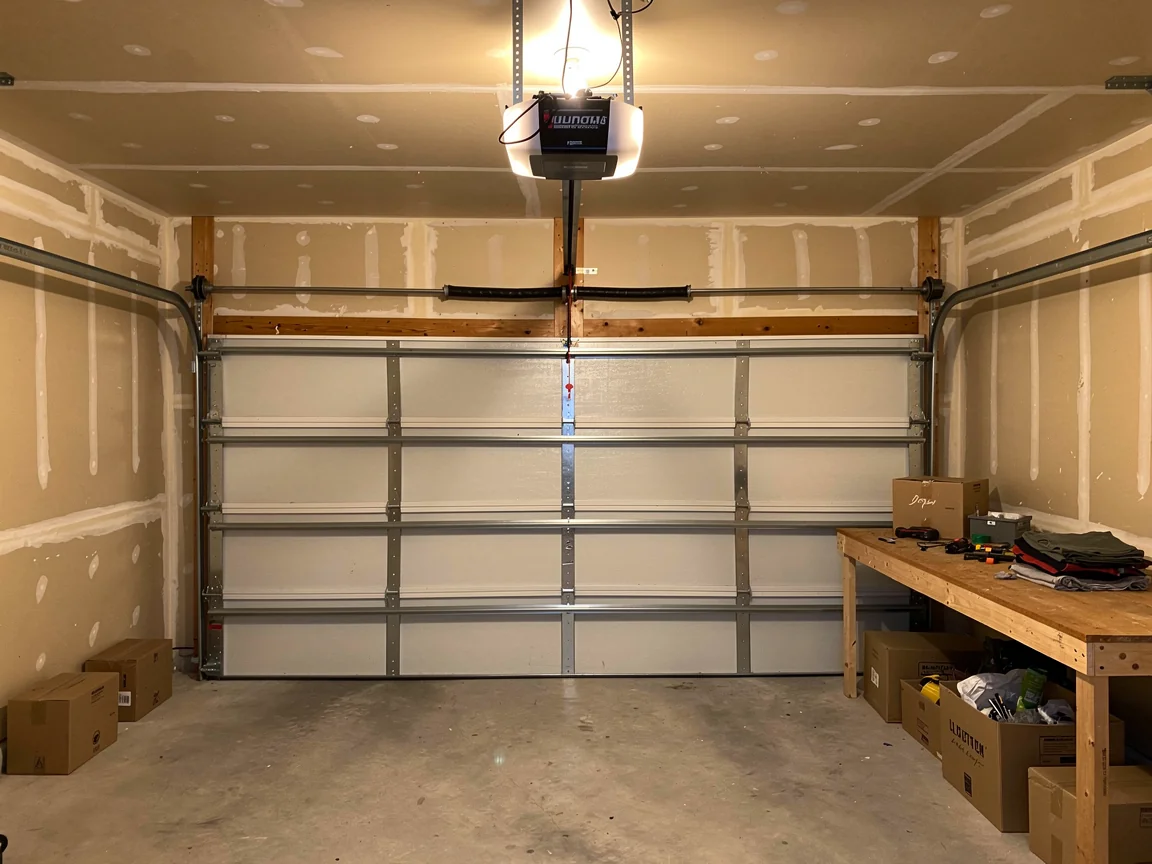
We're not going to put a number here we don't have, because what a job runs depends on whether you're replacing a spring, a cable, or the whole door, and we don't quote sight-unseen.
Income versus per-job pricing
What we can tell you is that Citrus Park's median household income sits at $84,220, well above the $62,617 median across the rest of the territory we cover, and in practice that shows up less in what people pay per job and more in what they choose.
Full-door replacement trend
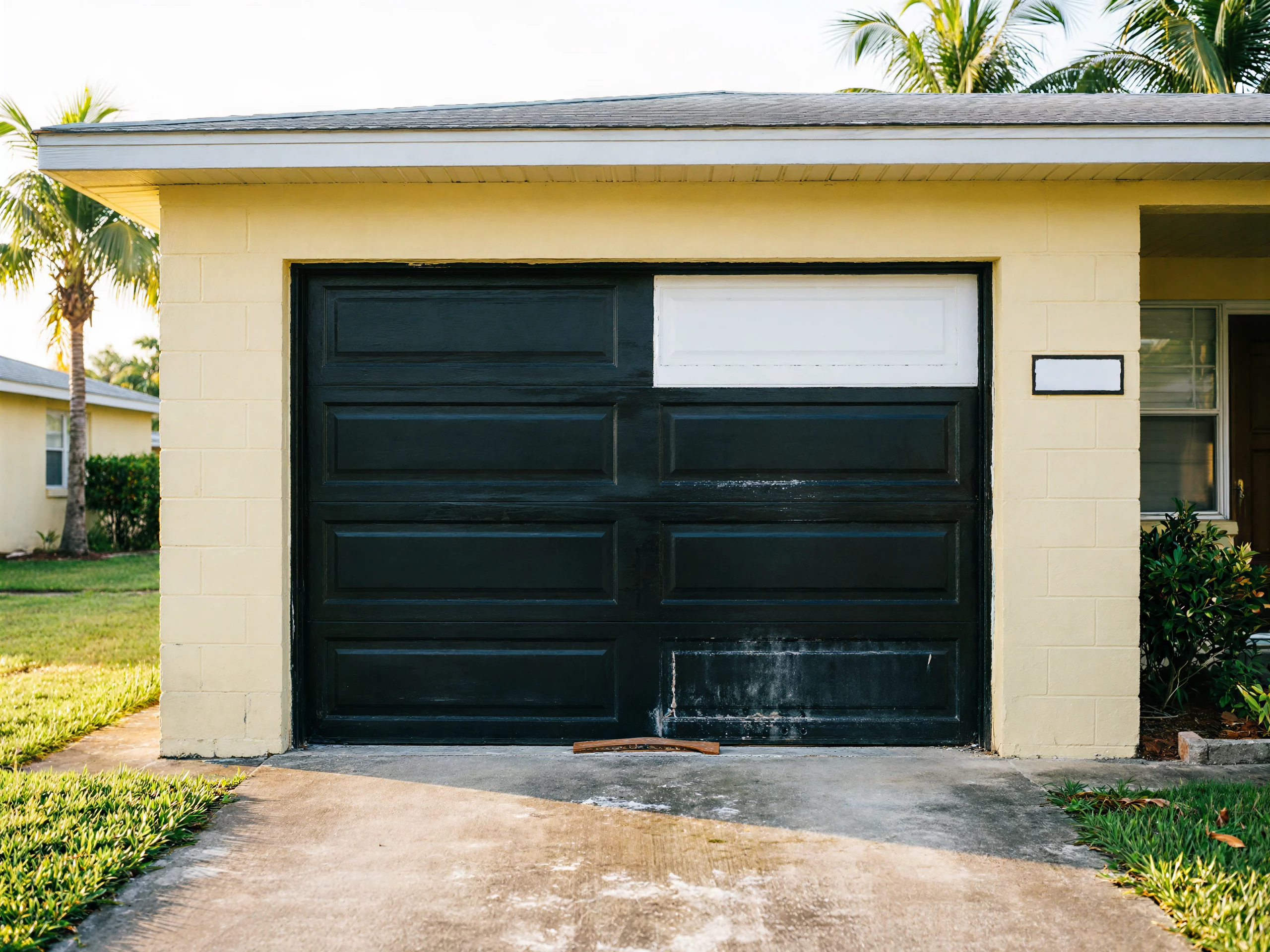
We see more full-door replacements here relative to patch repairs - owners deciding the thirty-year-old steel panel and the opener both need to go rather than keeping one working part next to two failing ones. The honest limitation: if your door is an original 1990s steel panel with a damaged section, we may not be able to match the panel exactly.
Shifting panel profiles
Manufacturers change paneling profiles over the decades, and a 30-year-old door often means a full replacement is the real fix even if the spring or cable is the thing that actually broke. We'll tell you straight if that's the case instead of patching something that'll fail again in a year.
Where This Job Goes Sideways
The call we get most out of Citrus Park is a door that won't budge, and nine times out of ten the extension springs are the reason.
Extension-spring neighborhoods
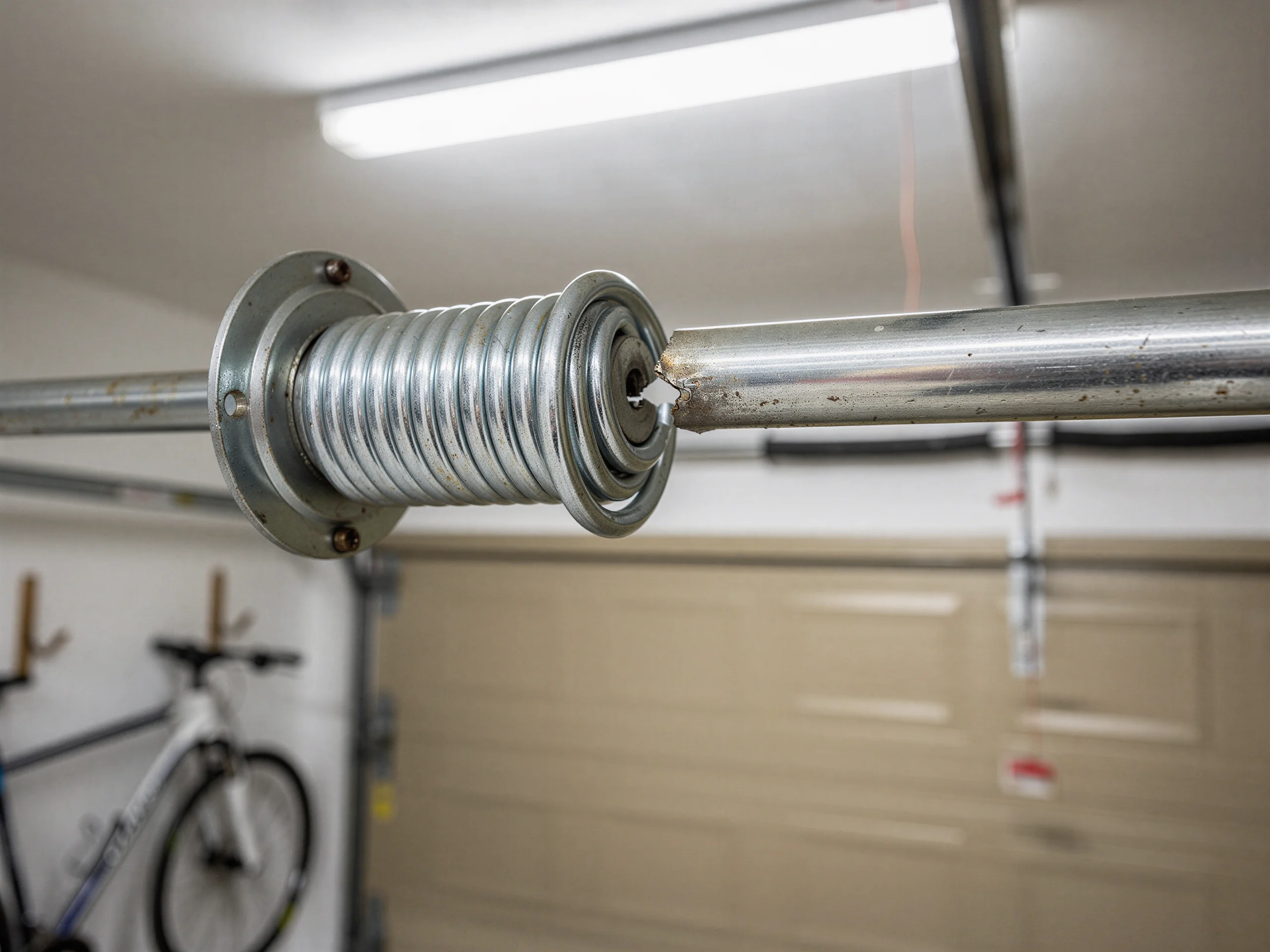
Houses here went up around 1991, median, which puts most of the neighborhood squarely in the extension-spring-and-chain-drive era rather than the torsion setups builders switched to later. Those springs stretch along the horizontal tracks instead of winding over the header, and after thirty-plus years the coils fatigue and let go, usually with the cable still threaded through, which is why the door looks fine sitting there but won't move an inch.
Newer-than-average housing
Compare that to the wider service territory, where the housing stock runs from 1970 through 2005 with a median build year of 1986. Citrus Park sits a few years newer than that average, so the failure curve here is just starting to catch up to what we see on the older end of the territory.
Due openers and springs
That means openers from the same build wave - the original chain-drive units bolted in when the house was framed - are also due. A door that drops fast and loud, or won't lift past knee height, is almost always one of those two things: a snapped extension spring or an opener motor that's worn past the point of adjusting.
Parts We Carry
For a build wave centered on 1991, the parts that come up most are standard-gauge extension springs, the galvanized lift cables that run with them, and the steel rollers that ride the vertical track sections on that era's hardware. We also carry replacement drums and the safety cables that should be threaded through extension springs but often aren't on original installs - a lot of houses from this period never had that safety cable retrofitted, and it's one of the first things we check.
On openers, chain-drive units and their wall controls are the common swap, since the originals from this build period are past the point where parts are easy to source. What we don't stock is panel sections matched to every discontinued steel door profile from the early '90s - if your door needs a cosmetic panel match rather than a hardware fix, that's the case where we'll talk replacement instead of pretending we can match thirty-year-old steel exactly.
Why It Happens Here
Citrus Park's build wave puts a lot of houses within a tight few years of each other, and with roughly 11,164 households in the area, that means a lot of near-identical garage door setups aging out around the same time. When one neighbor's extension spring goes, the house two doors down built in the same year is usually not far behind it, because the hardware, the door weight, and the spring gauge were all specified the same way by the same builders working off the same plans.
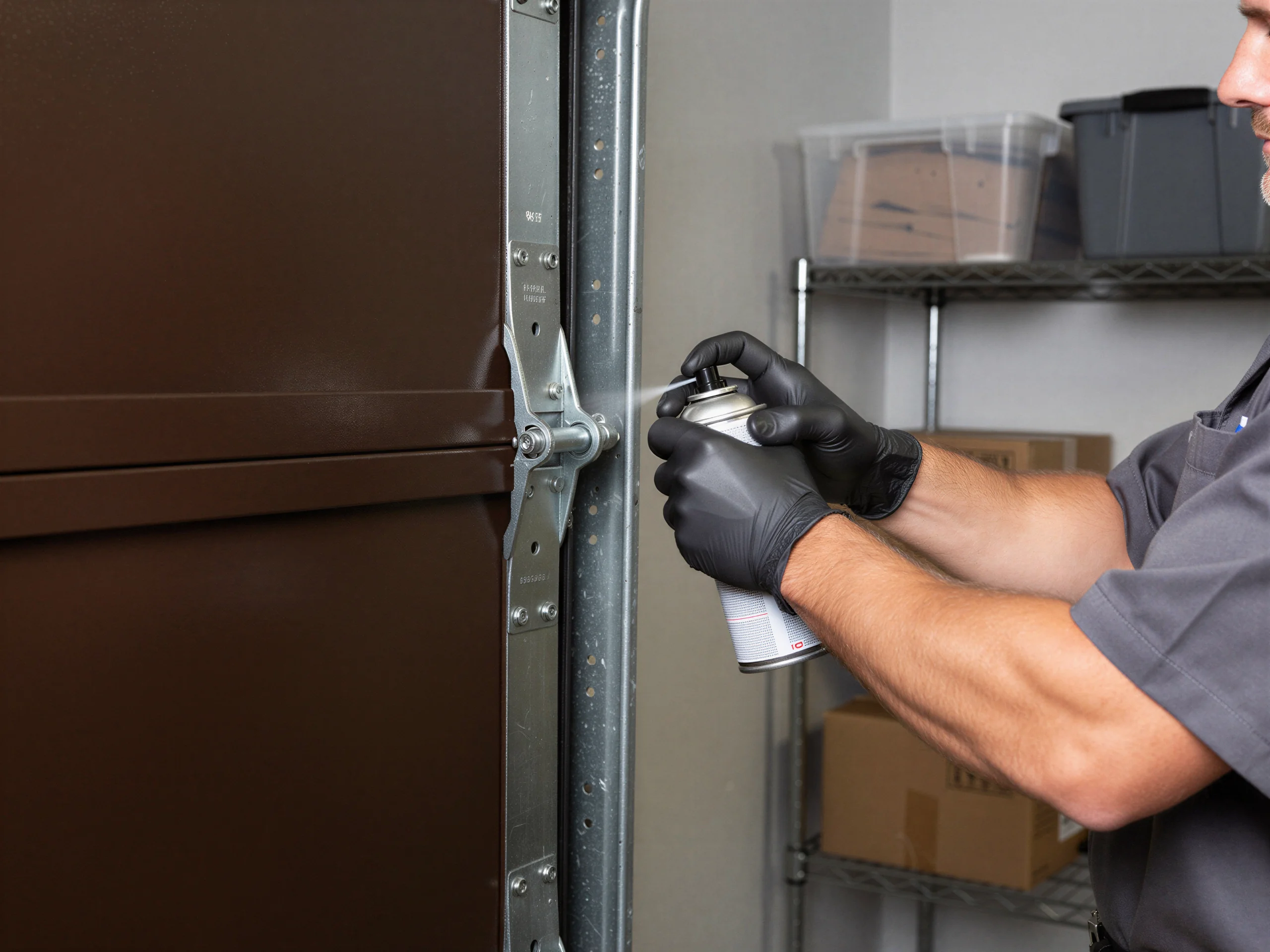
The climate here is mild temperate, which is a mixed blessing for this hardware. We're not dealing with freeze-cracked rollers or ice-locked tracks the way colder regions do, but we are dealing with steady heat and humidity that dries out factory lubrication faster than a cooler climate would, and that accelerates the exact spring fatigue that's already baked into hardware from the early '90s. It's not one dramatic failure mode - it's three decades of ordinary wear catching up at once across a lot of similar houses.
Talk to a local pro
Garage door service in Land O' Lakes?
Same-day service with honest, upfront quotes.