What It Costs
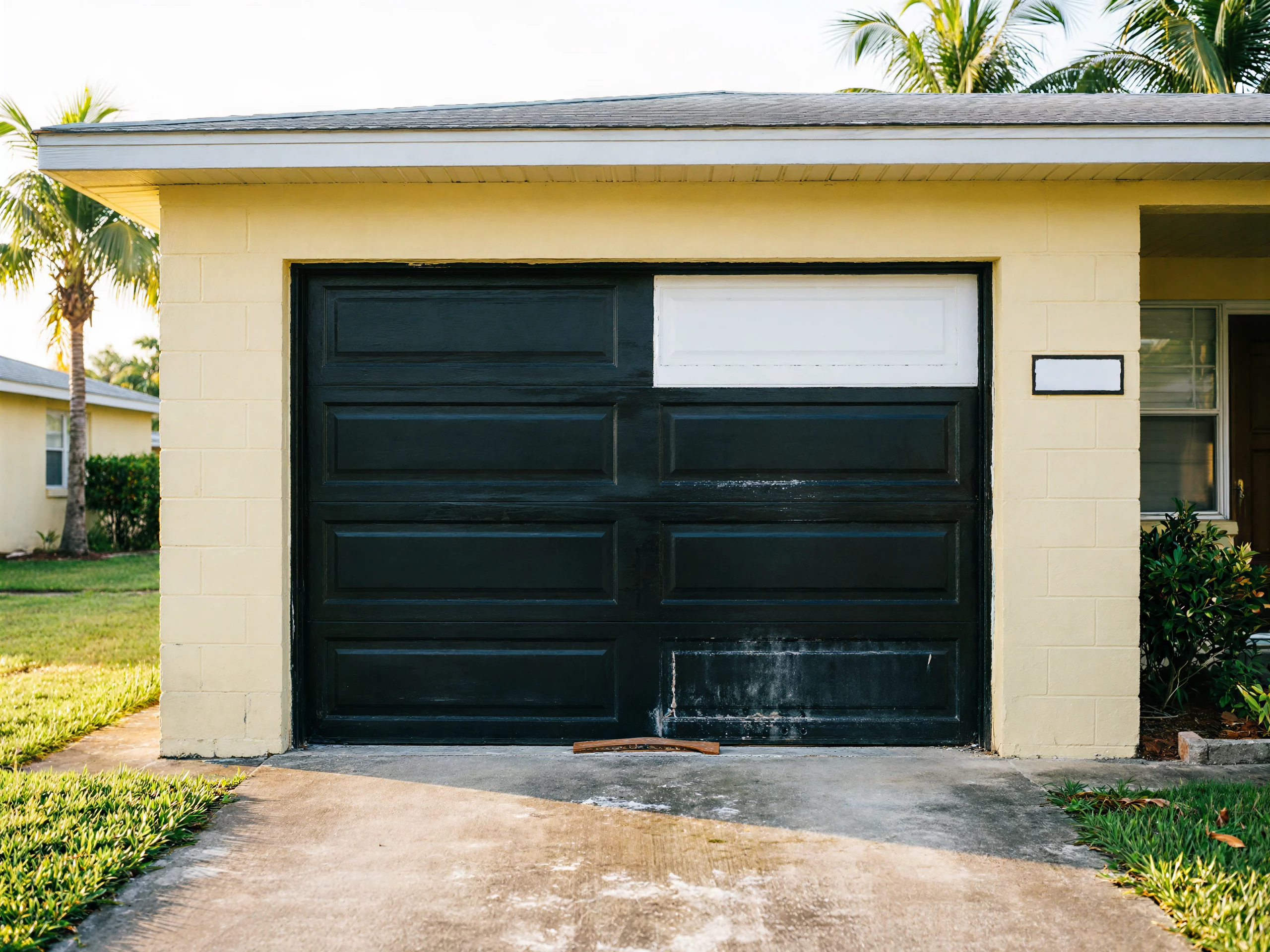
We can't quote a panel job over the phone, and we won't pretend otherwise. Panel replacement cost depends on how many panels are damaged, whether the door is insulated or not, and whether we can match the existing panel profile or have to special-order it.
Steel sectional panel families
Trinity's housing stock sits at the newer end of the broader service area's range, with a median build year around 2005, which usually means steel sectional doors rather than older wood or fiberglass styles. That narrows down the panel families we're matching against, but it doesn't fix a number without seeing the door.
Replace versus panel count
What we can tell you up front: if more than two panels on a double-wide door are bent or cracked, replacing the whole door often costs less than sourcing enough matching panels, especially if the original run has been discontinued.
Custom color and overlay costs
Trinity's median household income runs well above the wider area's $62,617 figure, and that shows up in the doors we see out there - more insulated, more carriage-style overlay panels, more custom color matches. Those options add to panel cost versus a plain steel section, so what a panel job runs in Trinity isn't the same math as a 1980s subdivision closer to Land O' Lakes.
How Long It Takes
We come out to Trinity from our Land O' Lakes shop, about 12 miles away, so the first visit is for measuring the door, checking the panel's part number or profile against what's still available, and confirming whether it's a straight swap or a special order.
Ordered panels lead time
Builder-grade panels from a 2005-era installation aren't always sitting on a shelf; some have to be ordered to match gauge and color, and that lead time is outside our control.
One-visit panel install
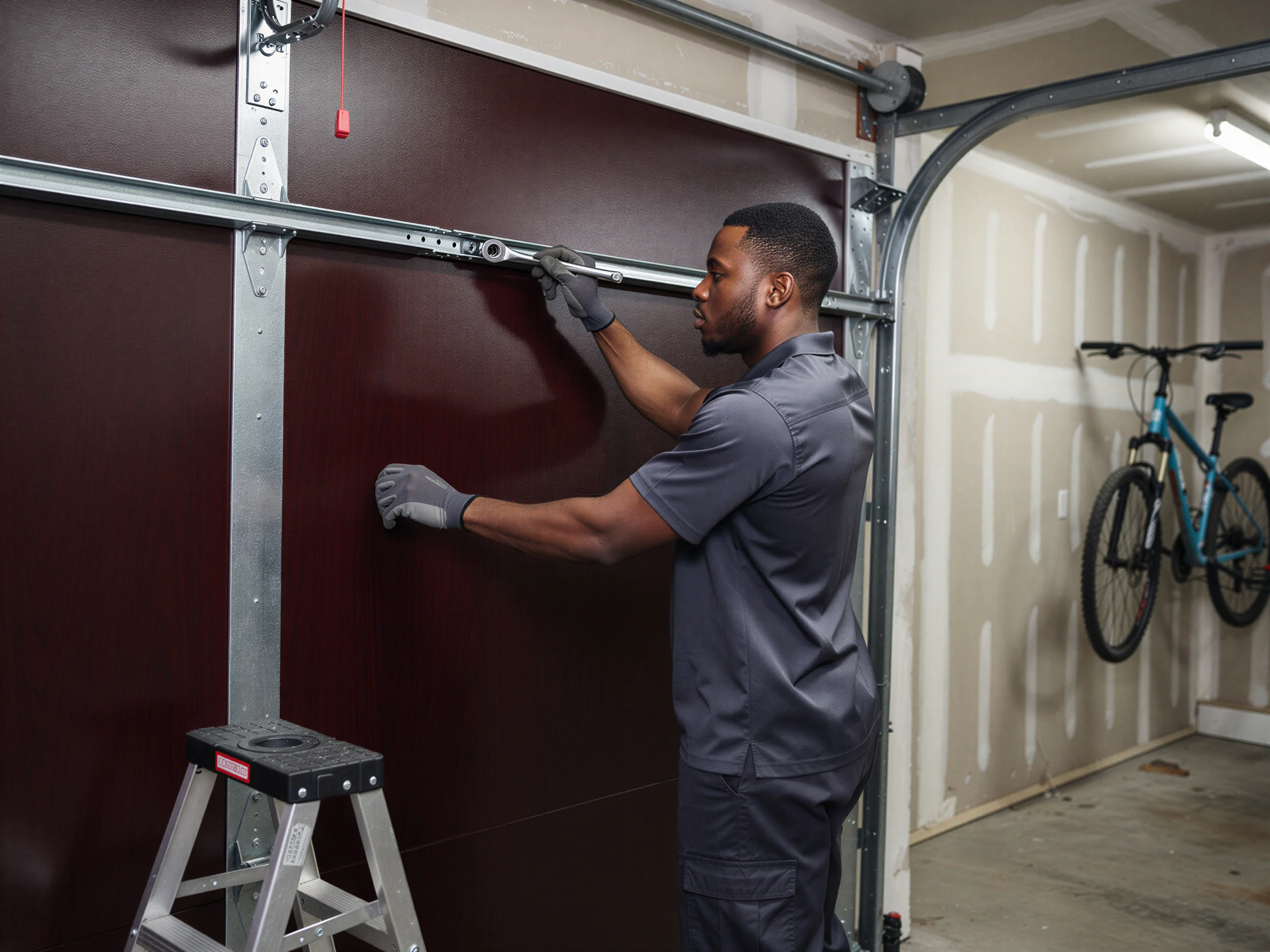
Once the right panel is on hand, the install itself is usually a single visit - removing the damaged section, transferring hardware, and resetting the track alignment. Doors that have been knocked out of square by the damage sometimes need extra time to true up the track and rollers before the new panel sits flush.
Waiting on parts
We won't give you a same-day promise for a part we don't have in hand, but once it's here, getting it installed and the door running smooth again doesn't take long.
Can You Do This Yourself
Swapping a single bottom panel on some doors is a reasonable weekend job if you've got the right clamps and someone to help hold the section square while you work the hinges loose.
Gauge and profile matching
Where it gets hard is matching. A panel ordered today for a door built around 2005 may not be the same gauge, color, or groove profile as what's on the house now, even from the same manufacturer, and mismatched panels are obvious from the street.
Replace door in stages
We can't promise an exact match is always available - sometimes the better call is replacing the whole door section by section over time, or all at once, rather than chasing a panel that's been out of production for years. The other real risk is the spring and cable system.
Loaded spring hazards
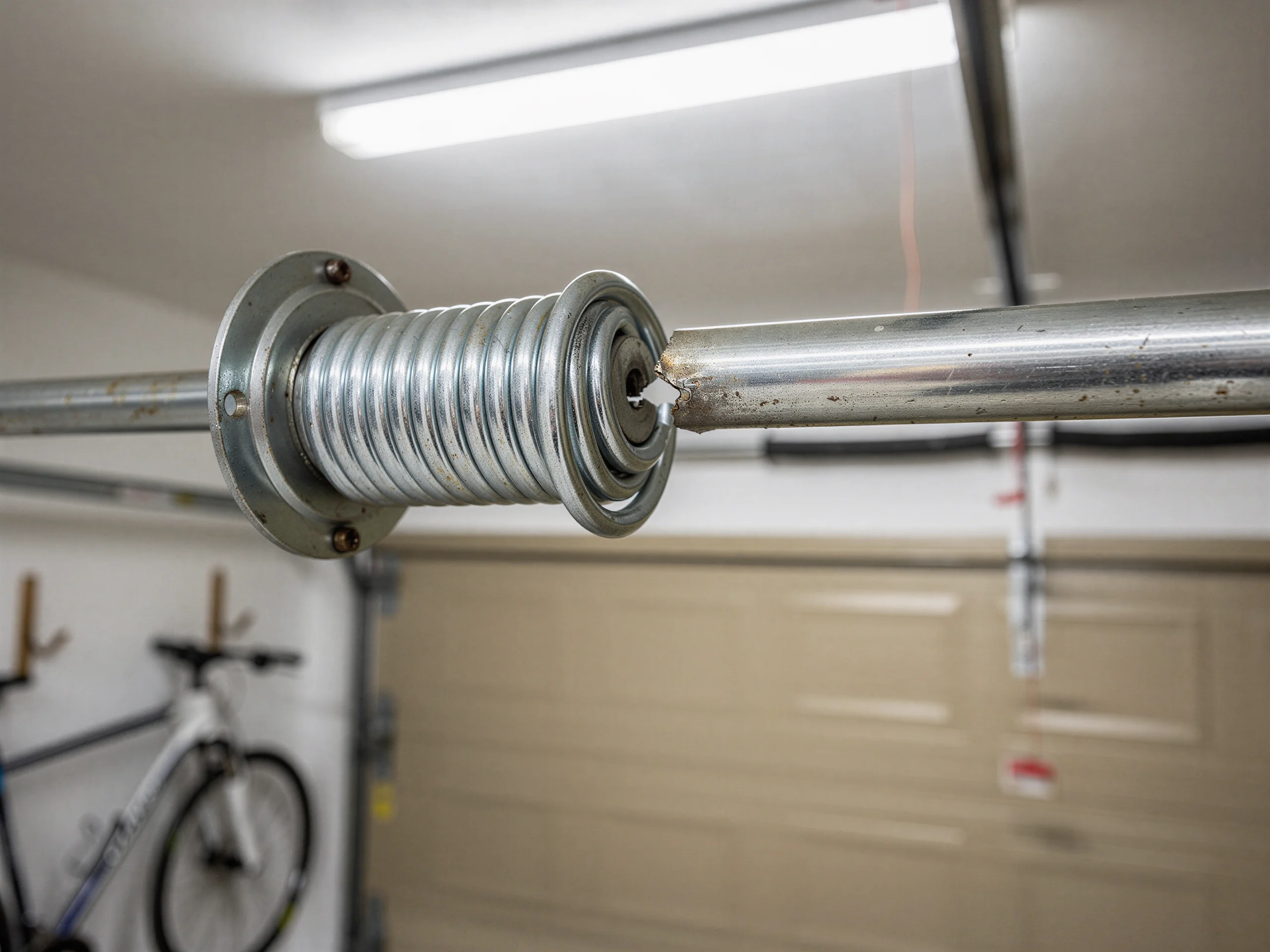
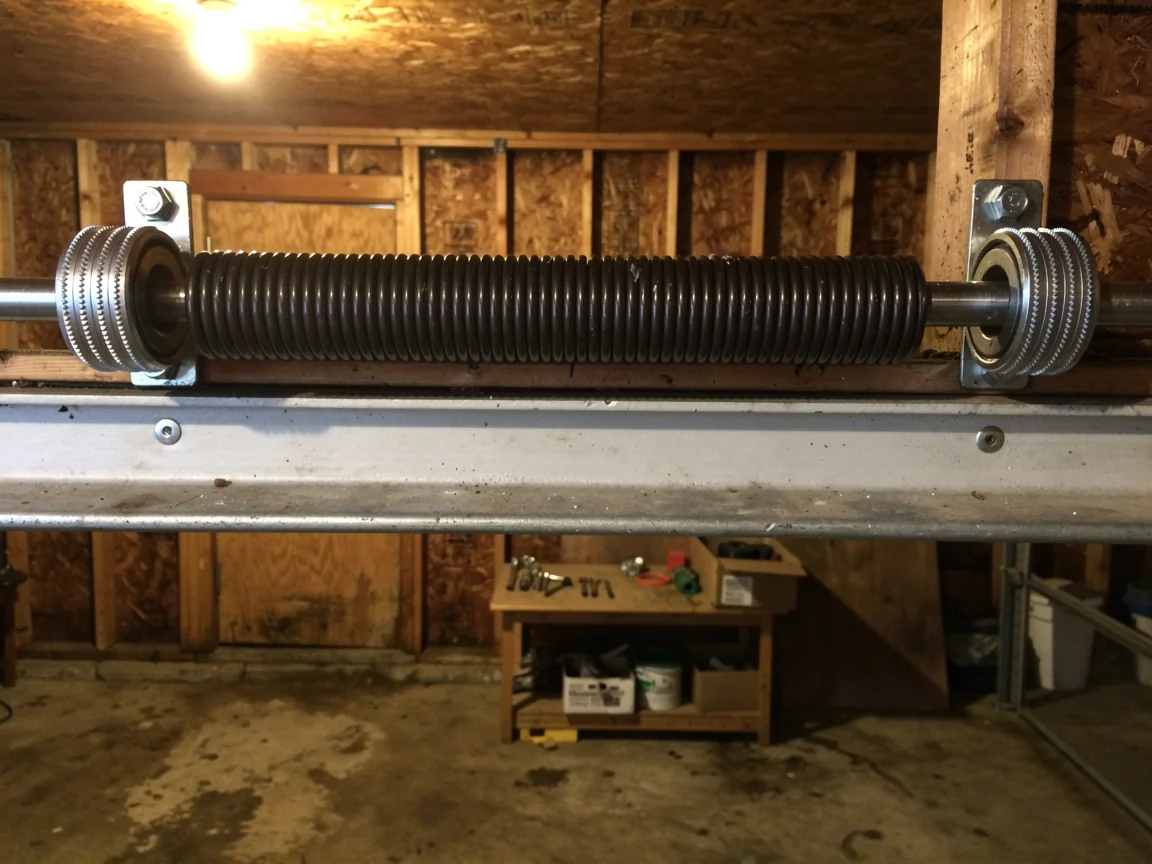
Pulling panels on a sectional door means working near loaded torsion or extension springs, and that's not a place to improvise if you haven't done it. If the door is still tracking straight and only cosmetically damaged, DIY panel work is doable. If the damage has pulled the door out of alignment, that's a job for someone who does it regularly.
Why It Happens Here
Most of Trinity went up around the early 2000s, well toward the recent end of the 1970-2005 build window across this part of the county. That means a lot of these garage doors are original to the house - the same steel panels, the same rollers, the same factory finish from roughly twenty years ago. Panels that have never been swapped are the ones most likely to be cracked at the bottom section from a bumper tap, or bowed from a kid's basketball, or faded unevenly next to a replaced section from years back.
The mild climate here doesn't put the stress on doors that freeze-thaw cycles or hail do elsewhere, so when we find damage on a Trinity door it's almost always mechanical - an impact dent, a cracked seam from age, or a panel that's been pulled slightly out of square by a failing roller or bent track, not weather fatigue. Twenty years is also long enough for foam-backed insulated panels to start separating from the steel skin at the edges, which shows as a slight bubble or warp rather than an obvious crack. If your door was installed around when the house was built, that's the piece of original hardware most likely to be showing its age first.
Talk to a local pro
Garage door service in Land O' Lakes?
Same-day service with honest, upfront quotes.