Why It Happens Here
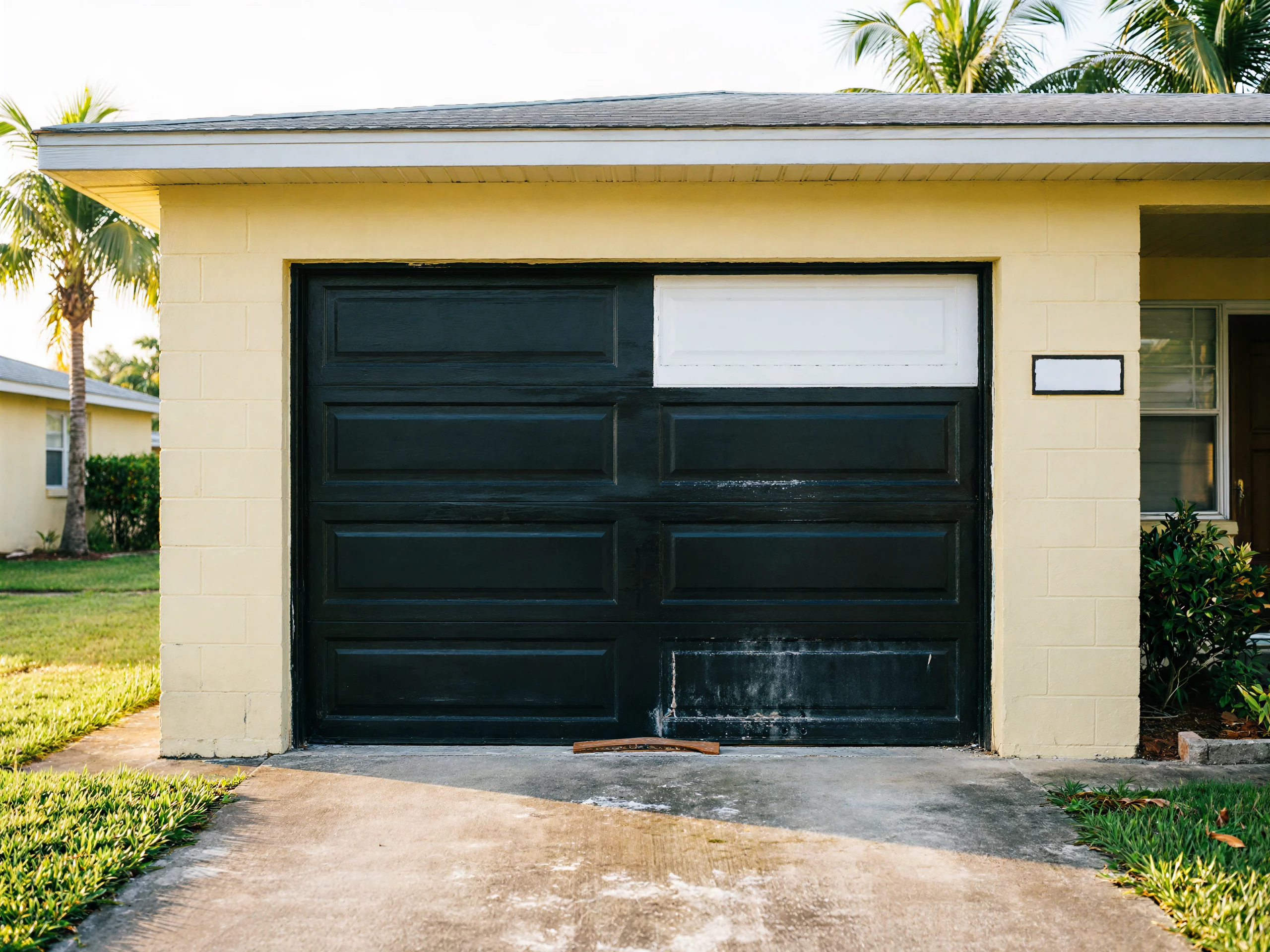
It comes down to the age of the housing stock. Bayonet Point's median build year of 1979 puts a large share of its roughly 11,415 households into hardware generations that the rest of the service area, built out closer to 1986 on average, mostly skipped.
Hardware running on inertia
The MILD temperate climate here doesn't stress hardware the way freeze-thaw regions do, so a lot of this original equipment has simply kept running on inertia rather than failing outright - which is part of why so many doors have never seen a real maintenance visit.
Annual tension loss
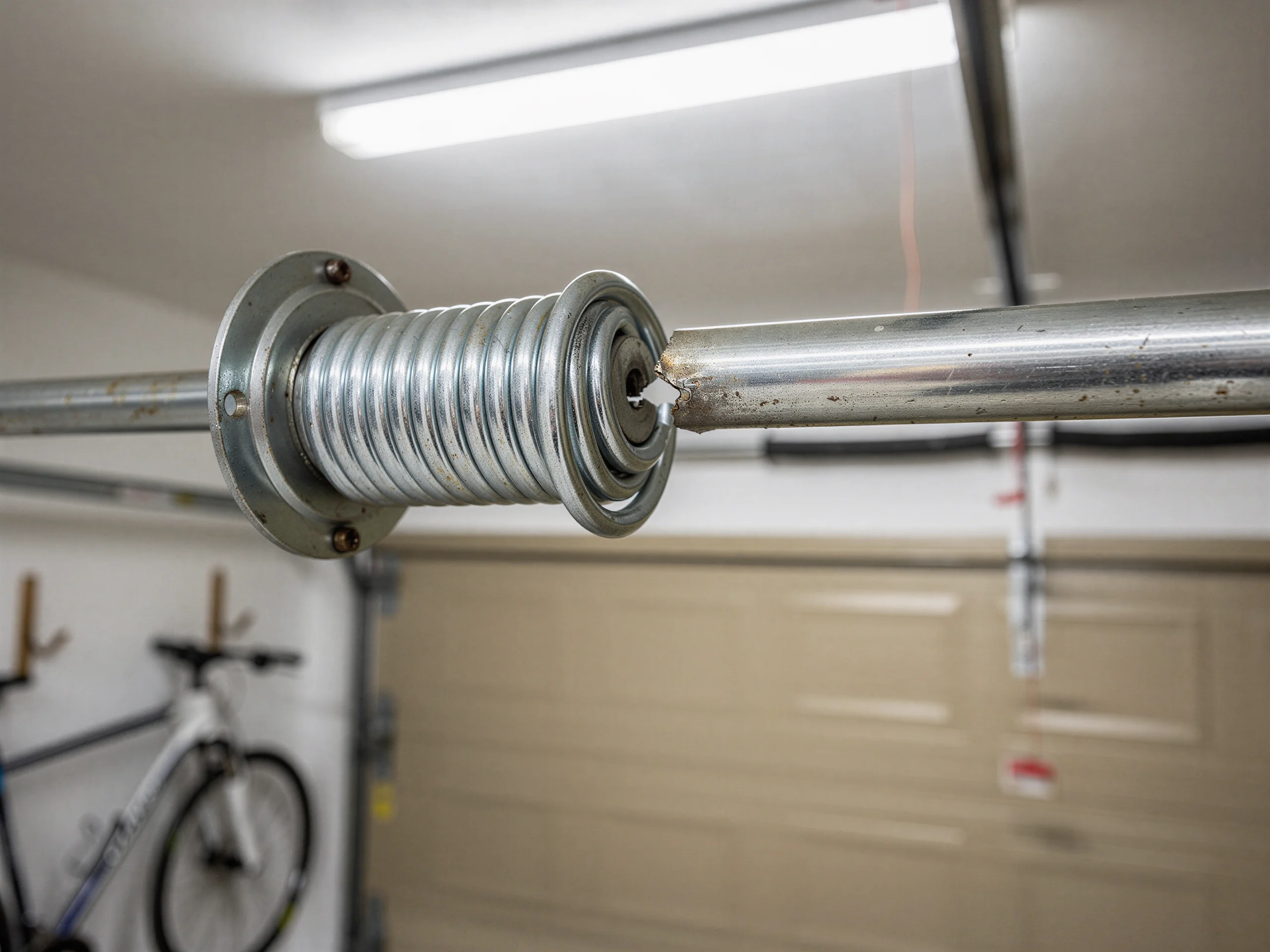
Slow failure is still failure. Springs lose a percentage of their tension every year regardless of weather, and a door that's never been serviced in over forty years is carrying four decades of that loss at once.
Where This Job Goes Sideways
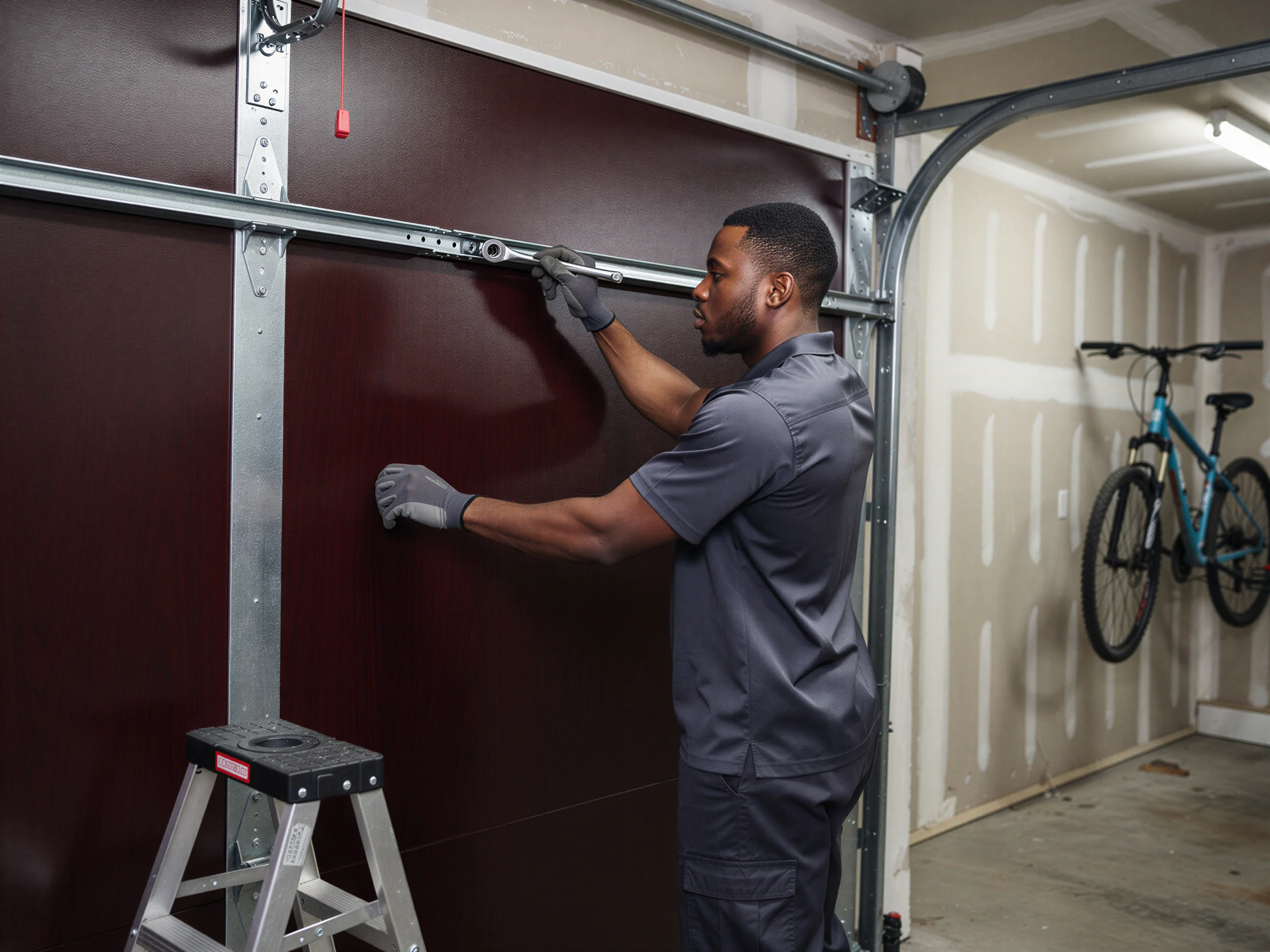
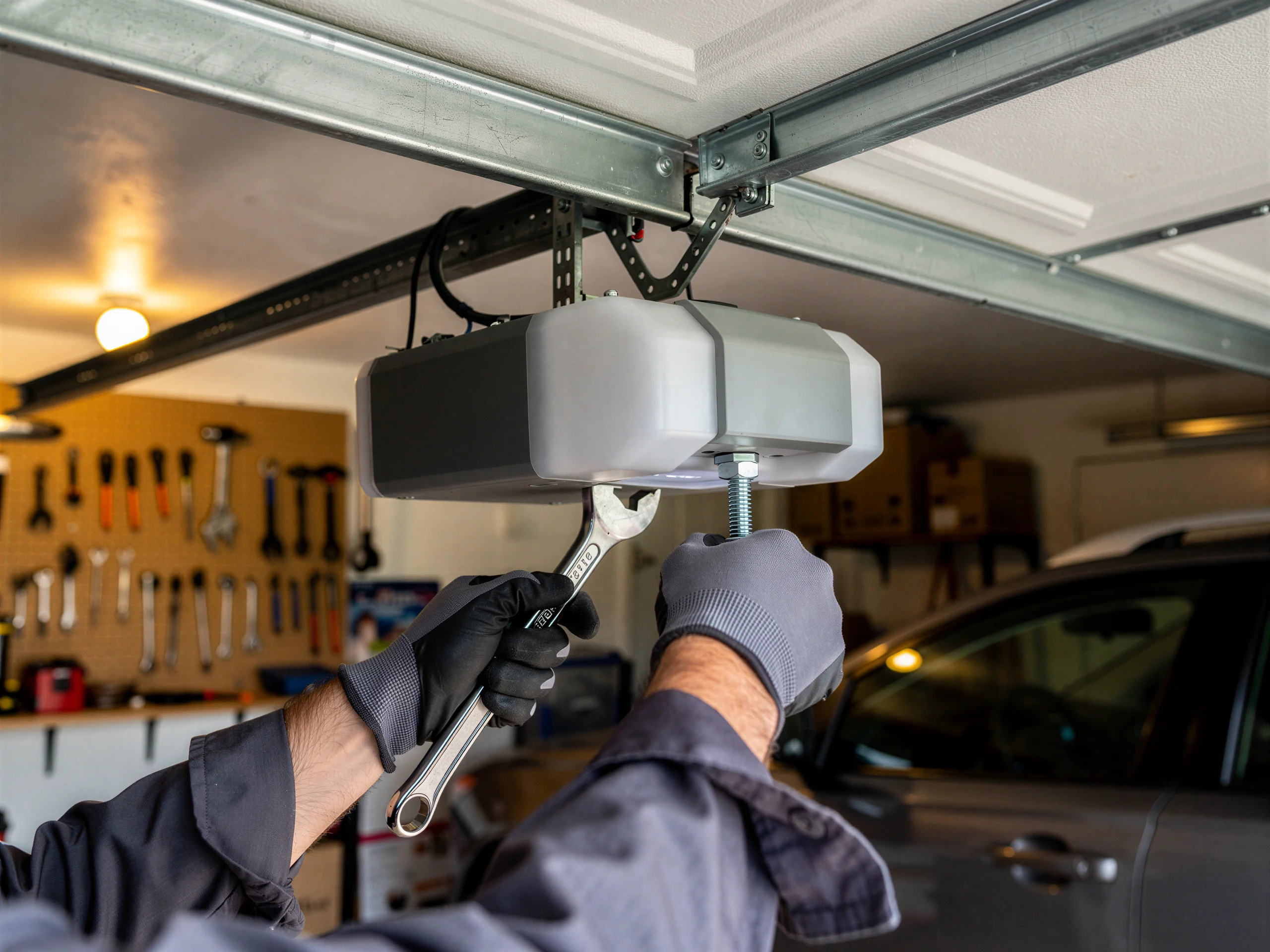
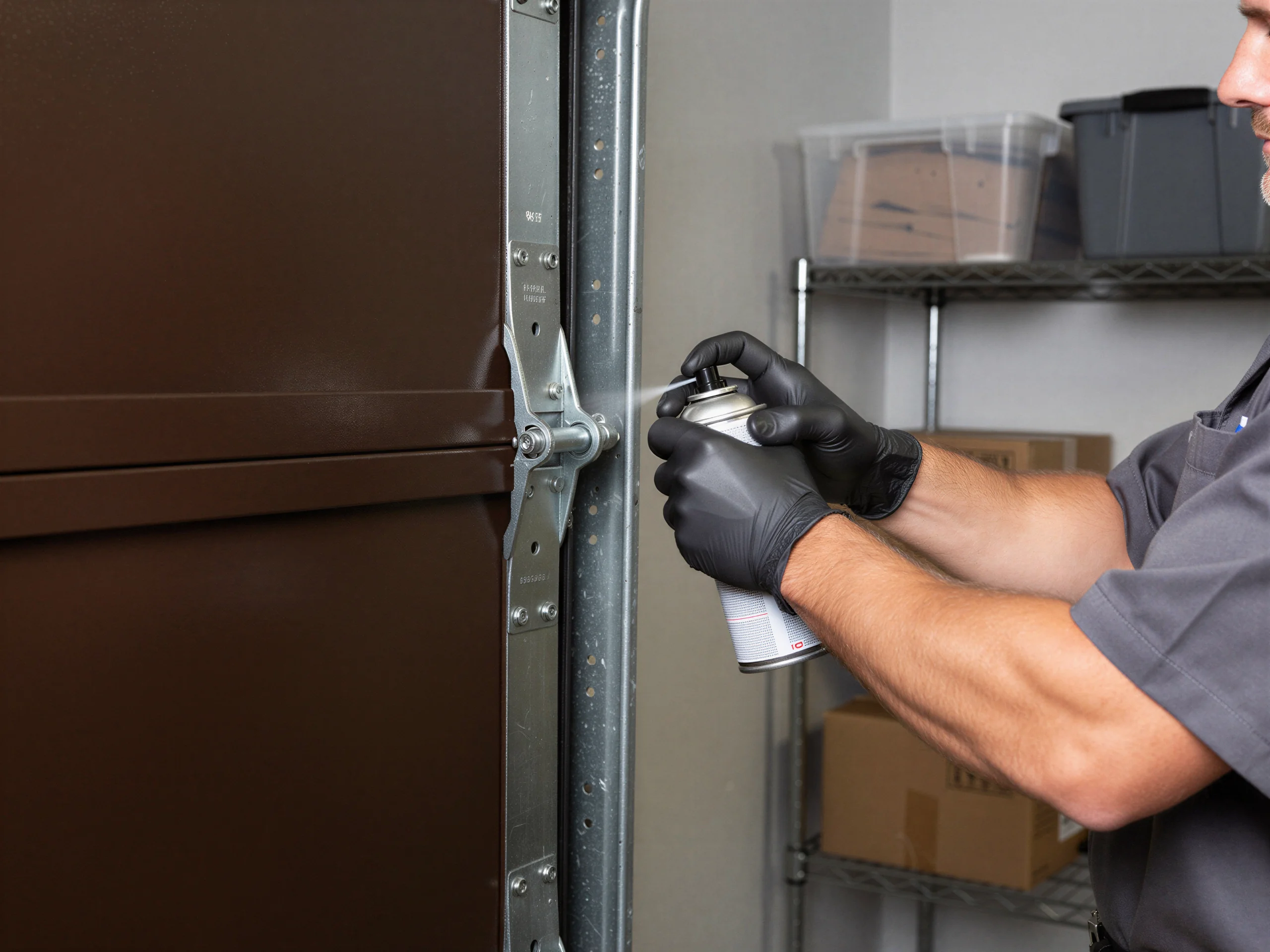
The most common mistake on a house this age is treating the spring and the opener as separate problems. On a lot of Bayonet Point doors, the opener is working harder than it was designed to because the spring has lost tension over the decades, and nobody's replaced it since the house was built. The opener isn't broken - it's compensating. Swap the opener without addressing the spring and you've spent money without fixing the actual cause. The other place this goes wrong is rollers and track alignment: steel rollers from this era wear grooves into the track over time, and once that groove is deep enough, lubricant alone won't quiet it down. We see homeowners reapply spray lubricant for years before anyone checks whether the track itself needs straightening or replacing.
What It Costs
We're not going to quote a number here that doesn't hold up house to house, and we don't have Bayonet Point-specific pricing to give you.
Income gap shapes choices
What we can tell you is how to think about it: the median household income in this area is $42,157, noticeably below the $62,617 median across the rest of the service area, and that gap shapes a lot of the calls we get here.
Extending older extension systems
More homeowners ask us to repair and extend the life of older hardware rather than replace it outright, and for a lot of 1979-era doors that's a reasonable call - extension spring systems are simple and cheap to service compared to a full door swap.
Patching just delays failure
The honest caveat: if the door itself is warped, the track is bent, or the opener motor is original to the house, patching one part just delays the next failure. We'll tell you straight when a tune-up is the right move and when it's throwing money at a door that's done.
How It Shows Up
With a median build year of 1979, most doors in Bayonet Point are older than the service area's overall median of 1986. That seven-year gap is enough to matter.
Containment cable gaps
Homes from this stretch were commonly fitted with extension springs rather than torsion springs, and a lot of those setups never got upgraded with containment cables - a safety feature that didn't become standard industry practice until the early 1990s.
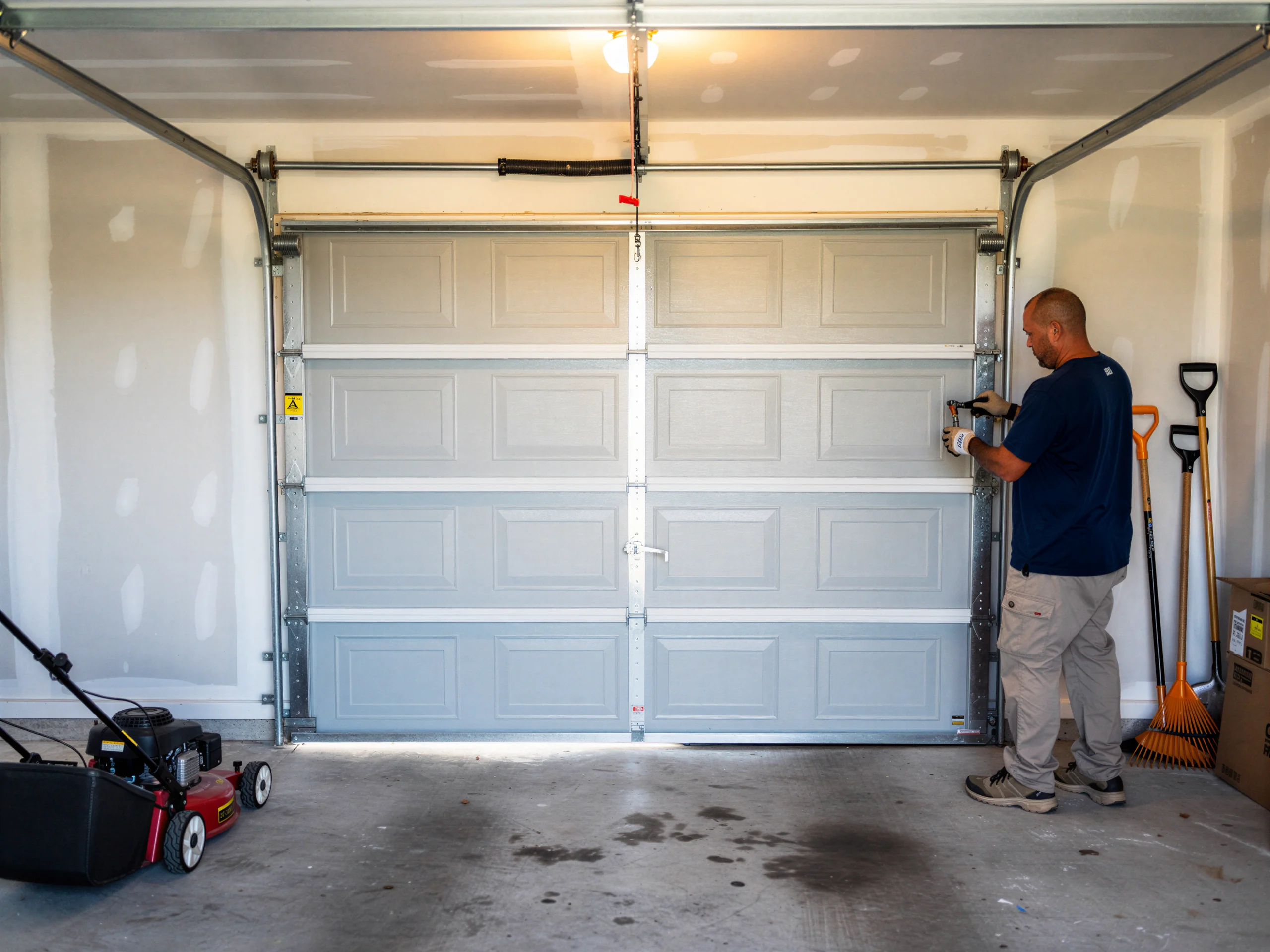
Stretched loose spring
If your door still has the original hardware, you'll often notice it first as a loud bang when the door closes, or a spring that looks stretched and loose rather than coiled tight. Rollers on doors this age are frequently the original steel ones too, which means more noise and more friction than the nylon rollers used today.
More wear items per visit
None of this means the door is unsafe on its own, but it does mean a maintenance visit here tends to turn up more wear items per door than it would on newer stock.
Getting It Booked In
Bayonet Point sits about 17 miles out from our Land O' Lakes shop, which puts it on the farther edge of our route. We don't keep a second location here, so maintenance visits get scheduled around the trucks already headed that direction rather than dispatched same-morning.
Dragging door, same-week slot
That's worth knowing up front if you're calling because a door is dragging or squealing and you want it looked at this week rather than today. Tell us when you call and we'll slot you into a run that's already passing through.
Full pass once onsite
The upside of the distance is that once we're out, we're not rushing - a proper tune-up means checking every hinge, roller, and fastener on the door, not just oiling the track and moving on.
Uniform wear across houses
For a neighborhood built mostly in one era, like this one, that full pass matters more than it would on a mixed-age street, because the wear patterns tend to be the same house to house.
How Long It Takes
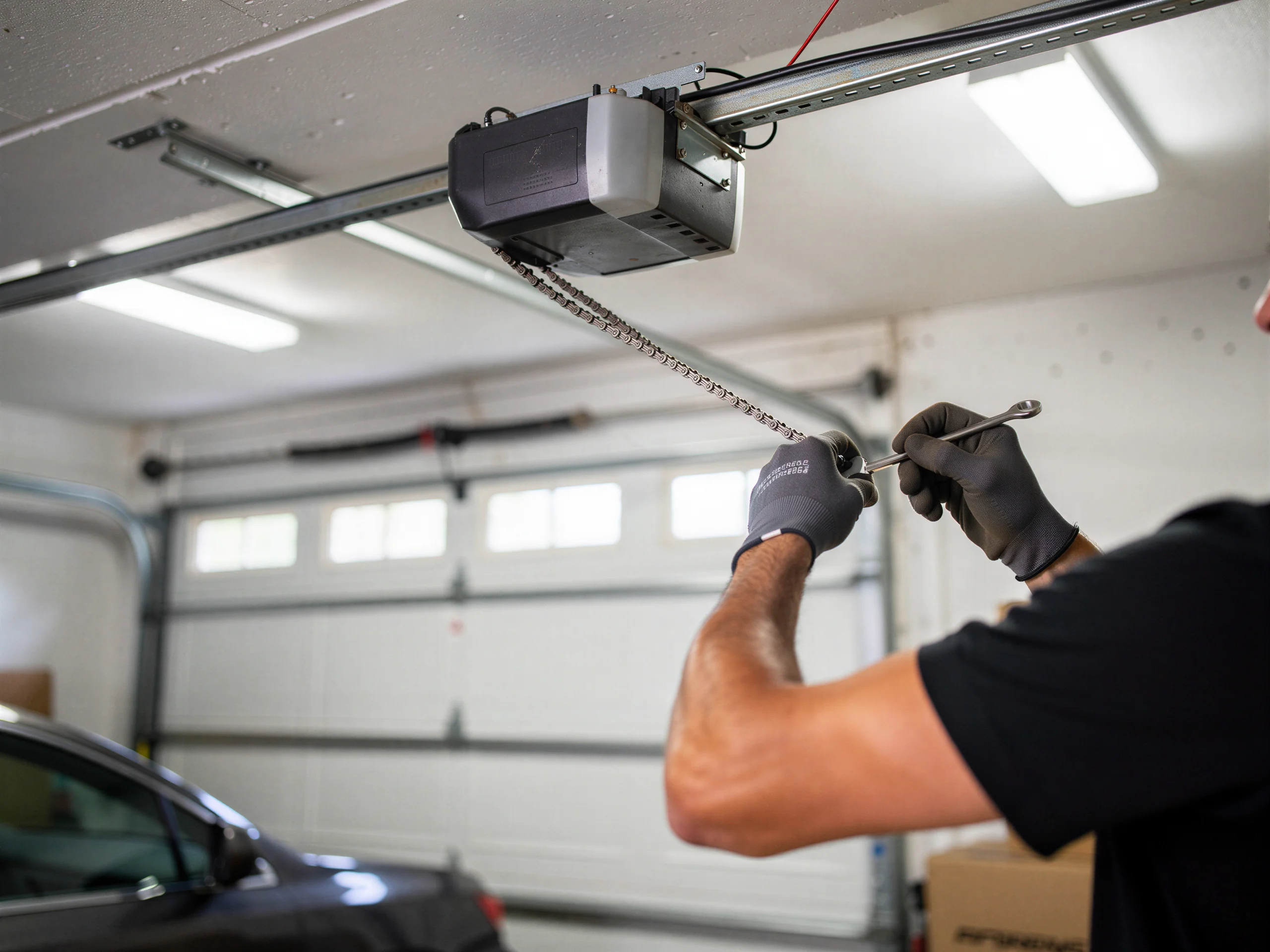
A standard maintenance visit - lubrication, hardware check, spring tension inspection, track alignment, and a safety reversal test - usually runs the same length of time regardless of the house, but doors from this era often need extra minutes on the spring and roller inspection simply because there's more to look at. If we find a stretched extension spring or a track groove that needs correcting, that's a separate conversation about repair, not something we squeeze into the same visit without telling you first. We'd rather call it out and schedule the fix properly than rush a repair in the gaps of a maintenance appointment.
Talk to a local pro
Garage door service in Land O' Lakes?
Same-day service with honest, upfront quotes.