Why It Happens Here
Bayonet Point's housing stock clusters tighter around 1979 than the service area's overall 1970 to 2005 range, which has a median closer to 1986. That eight-year gap matters more than it sounds like, because garage door openers have a working life, and a chain-drive unit installed when these houses went up is well past the point where parts are getting harder to source. Add in the mild, humid Florida climate this whole region sits in - not the kind of place that kills an opener in one bad week, but the kind that slowly corrodes circuit boards and gums up chain lubrication over three or four decades of salt air and summer humidity. Put an older housing stock and a steady climate load together and you get a predictable pattern: openers that don't fail dramatically, they just get slower and less reliable year over year until one morning the door doesn't move at all.
Where This Job Goes Sideways
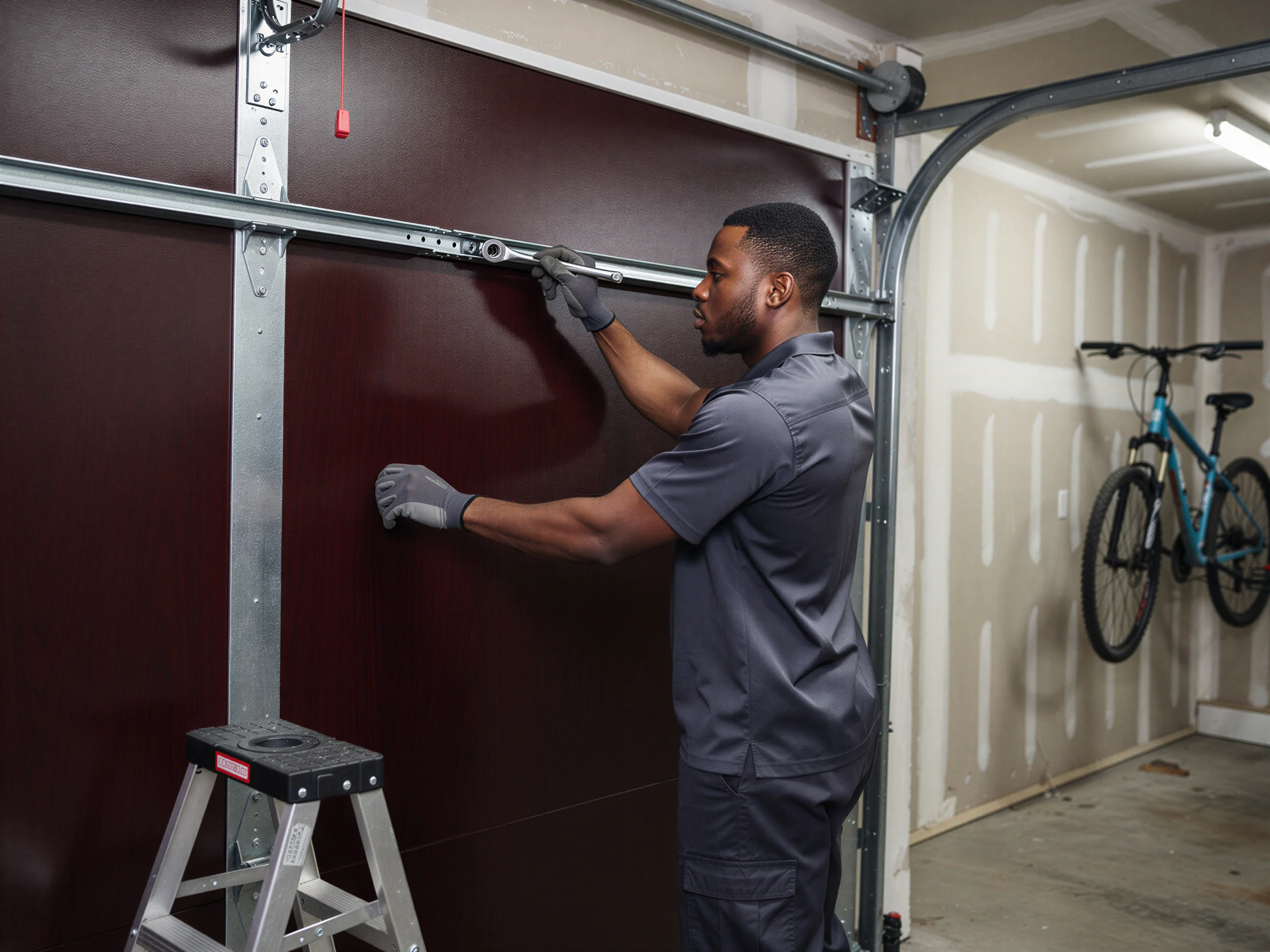
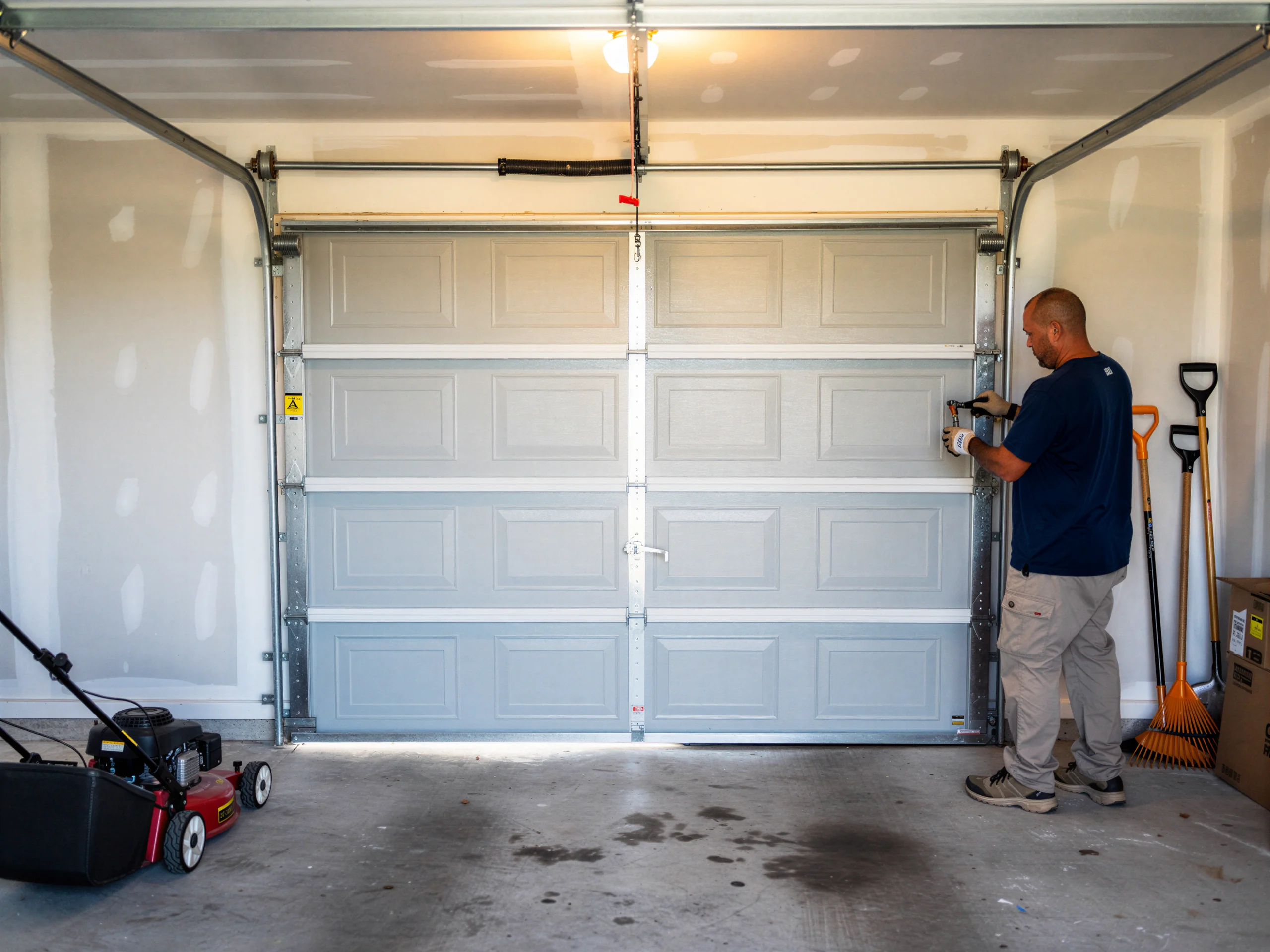
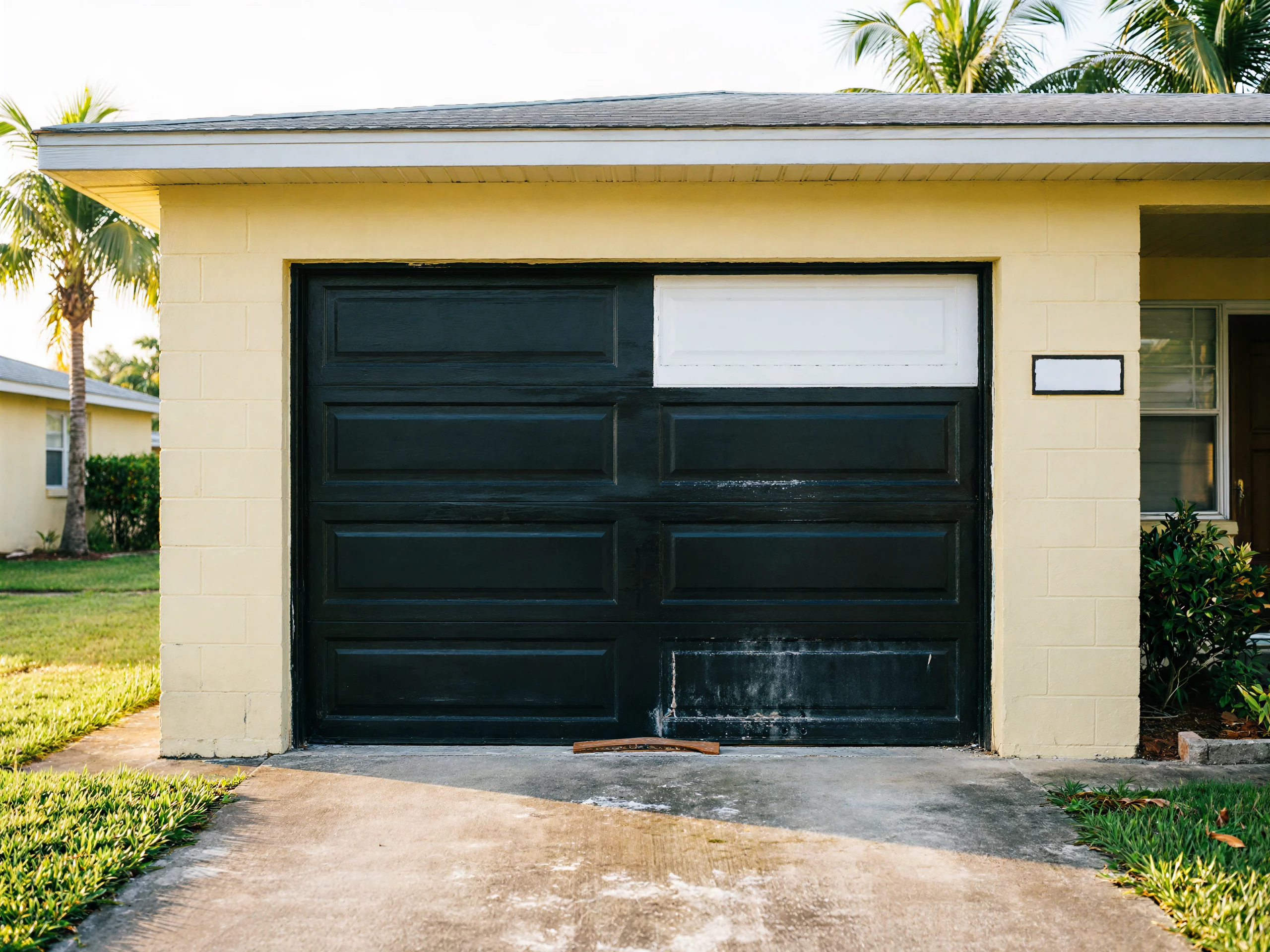
The honest limitation first: if your opener is original to a house built around 1979, odds are good the door itself has issues an opener install won't fix - sagging panels, a bent track, hardware that's outlived its spring life.
Strain from misaligned door
Putting a new opener on a door that isn't moving right just transfers the strain to the new motor, and it'll fail faster than it should. We'll tell you if that's what we're looking at instead of installing anyway and letting you find out in six months.
Missing photo-eye sensors
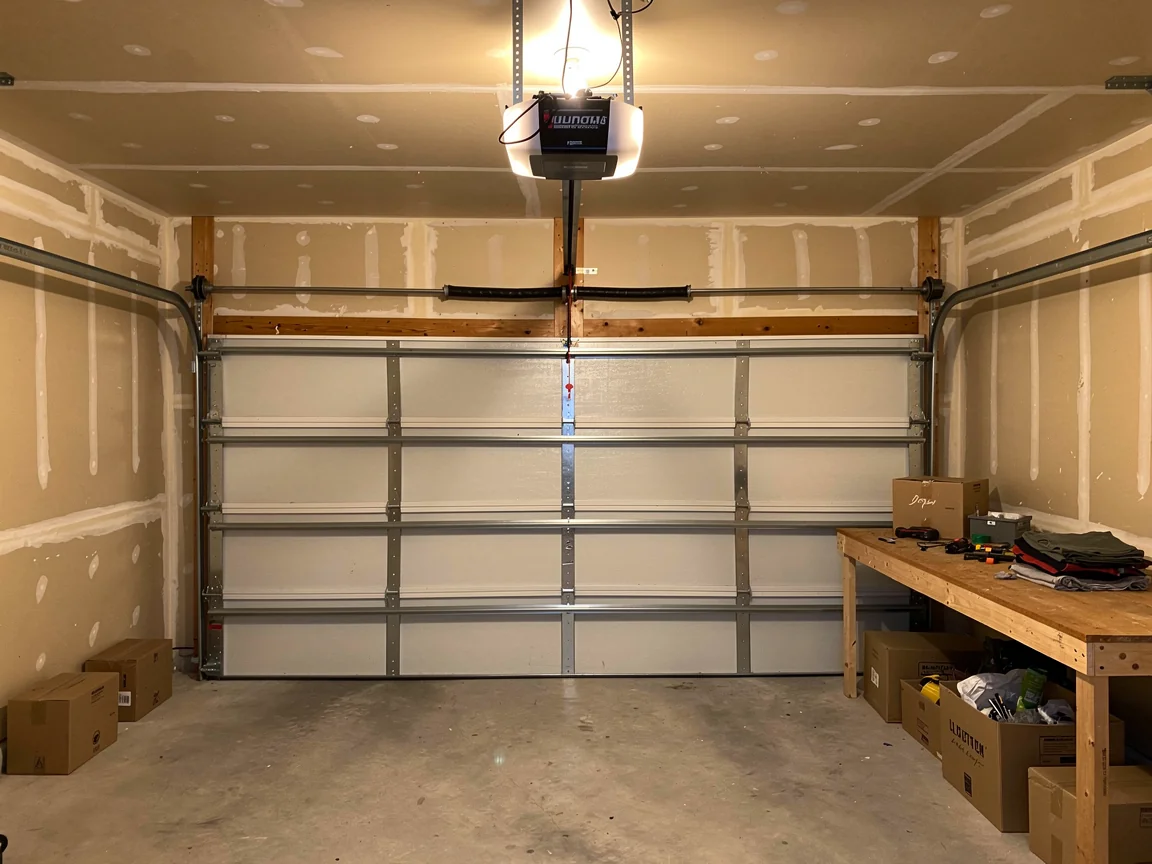
The other place this goes wrong is safety sensors. A lot of older installs around here never had the photo-eye sensors at the bottom of the track that current code requires, because the door predates that requirement.
Sensors required before install
We won't install a new opener without adding them - it's not negotiable, and it adds a small amount of time and cost that surprises people who didn't know the old setup was already out of spec.
What It Costs
We can't quote a number here without seeing the door, the opener, and what's wired into your panel - that's not a dodge, it changes job to job. What we can tell you is what drives the decision locally. Median household income in Bayonet Point runs around $42,157, noticeably under the roughly $62,617 median across our broader service area of 164,360 households, and that shows up in what people ask for: a solid chain-drive replacement over a belt-drive unit with smart-home features most people here don't need for an occasional-use garage. Chain-drive costs less up front and holds up fine on a single-car or standard double door. Where the price moves is hardware - if your existing door needs new rollers, cable, or a spring upgraded to handle a heavier opener, that gets priced as its own line, not folded quietly into the opener cost.
How It Shows Up
A lot of the openers failing in Bayonet Point right now are the same age as the houses - chain-drive units from a build era centered around 1979, which is close to a decade older than the median across our wider service area.
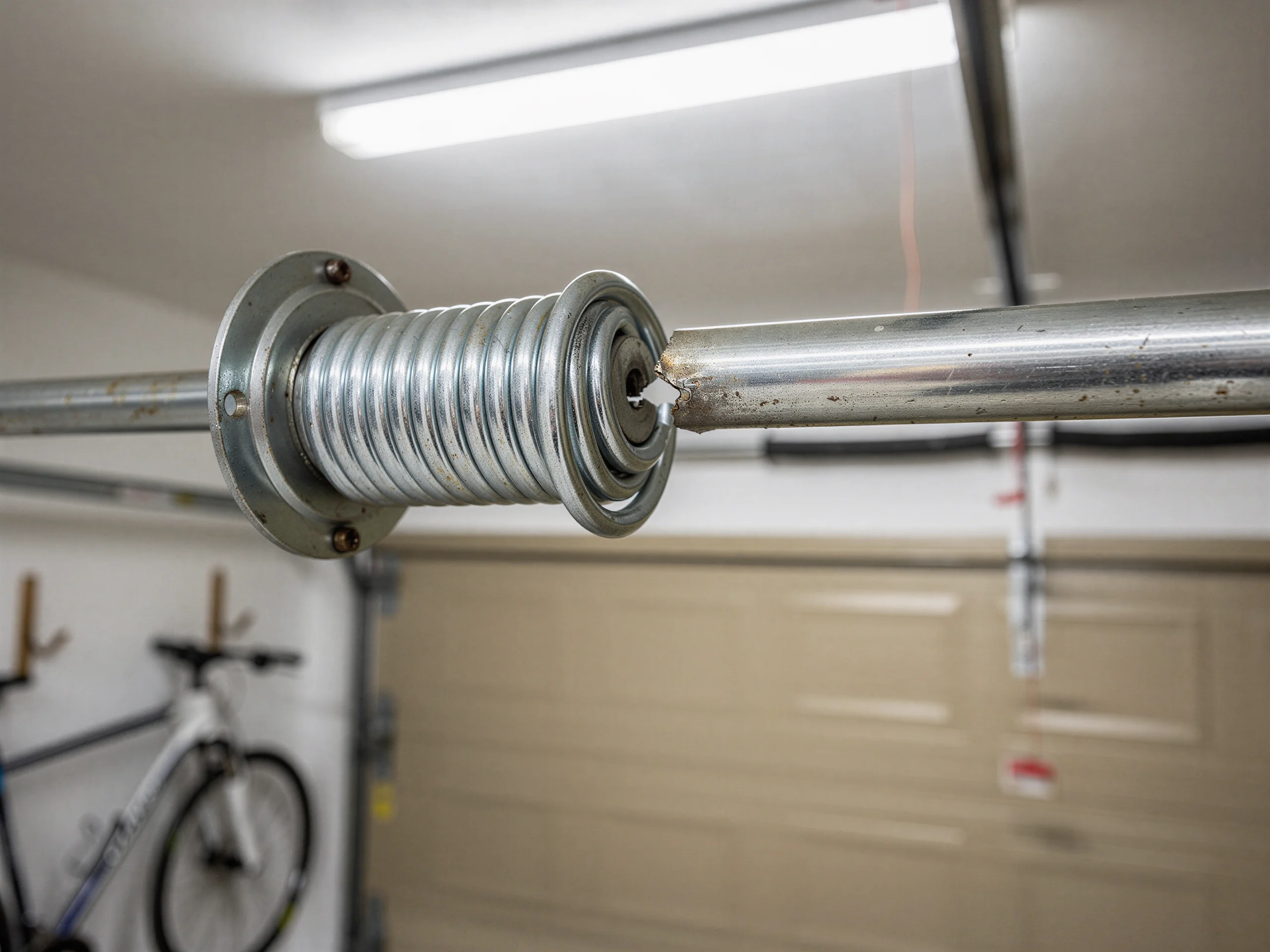
Stripped drive gears
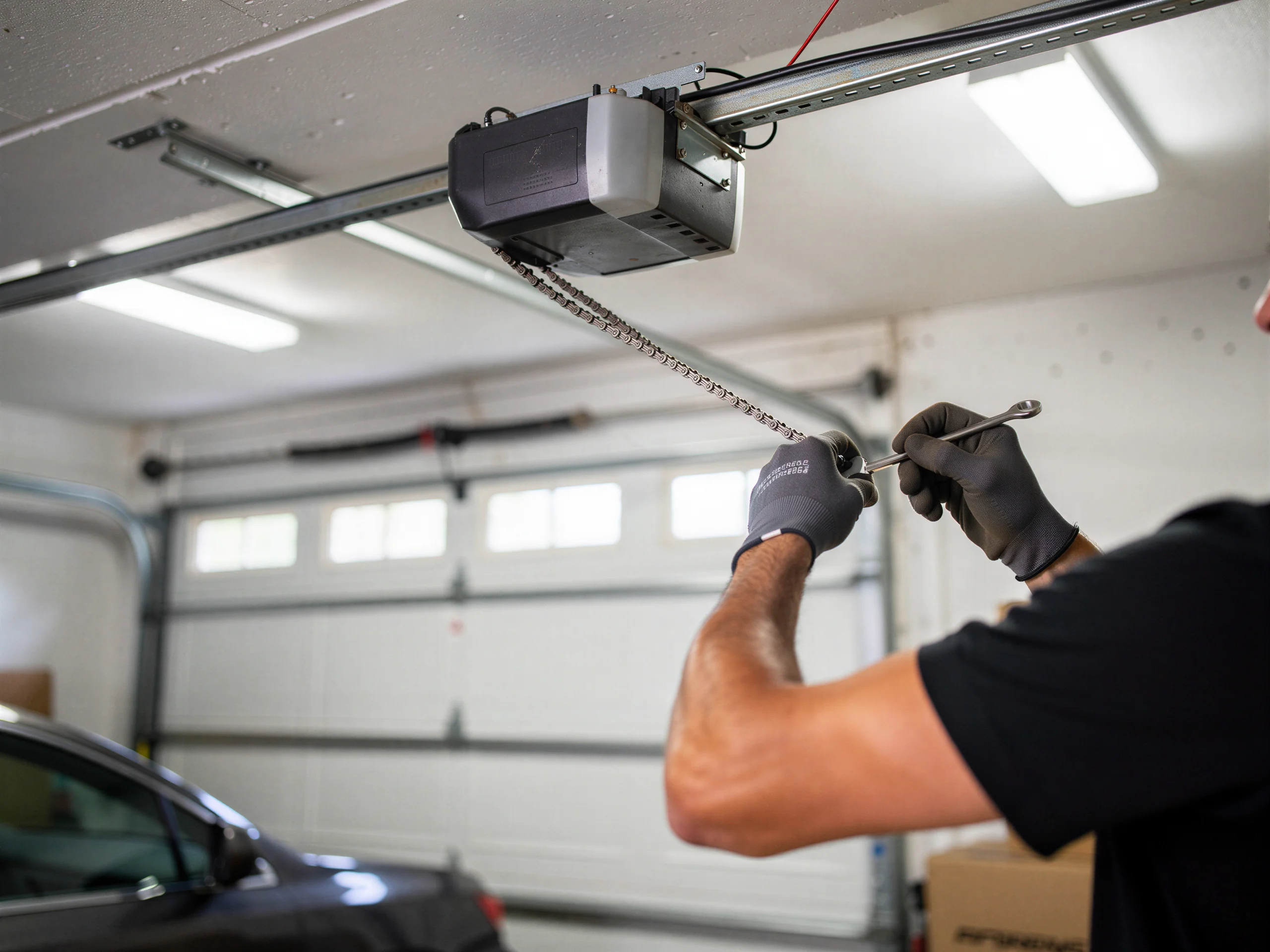
That means worn drive gears that strip rather than fail clean, chains that have stretched enough to throw the trolley off track, and logic boards running on circuit designs nobody's made parts for in years.
Remote range and reversing
Owners usually notice it as the door reversing for no reason, the remote working from the driveway but not the street, or a grinding sound right before the opener gives up entirely.
Pre-rolling-code frequencies
Some of these units still run on frequencies that modern remotes can't be coded to, which forces a full replacement instead of a quick fix. If your opener predates rolling-code technology, that's worth knowing before you spend money chasing a remote problem that's really an opener problem.
Getting It Booked In
Bayonet Point sits about 17 miles from our base in Land O' Lakes, which is far enough that we don't treat it as a drop-everything same-hour stop.
Batched local opener runs
What it means in practice: opener jobs here get scheduled alongside other calls in the area so the trip pays for itself, rather than sending a truck out for one install and driving back empty. If you call and we can't get there today, that's why - not because the job is small or unimportant.
Bundled nearby calls
Once we're on the books for your street, we try to line up any other opener or door calls nearby for the same run, which usually tightens the window rather than stretching it. Tell us up front if your opener is dead versus just acting up; a dead opener with a car trapped inside changes how we prioritize the day.
Phone screening for openers
We'll ask a few questions on the phone about the opener's age and how the door moves before we ever load the right unit on the truck, because guessing wrong means a second trip neither of us wants.
How Long It Takes
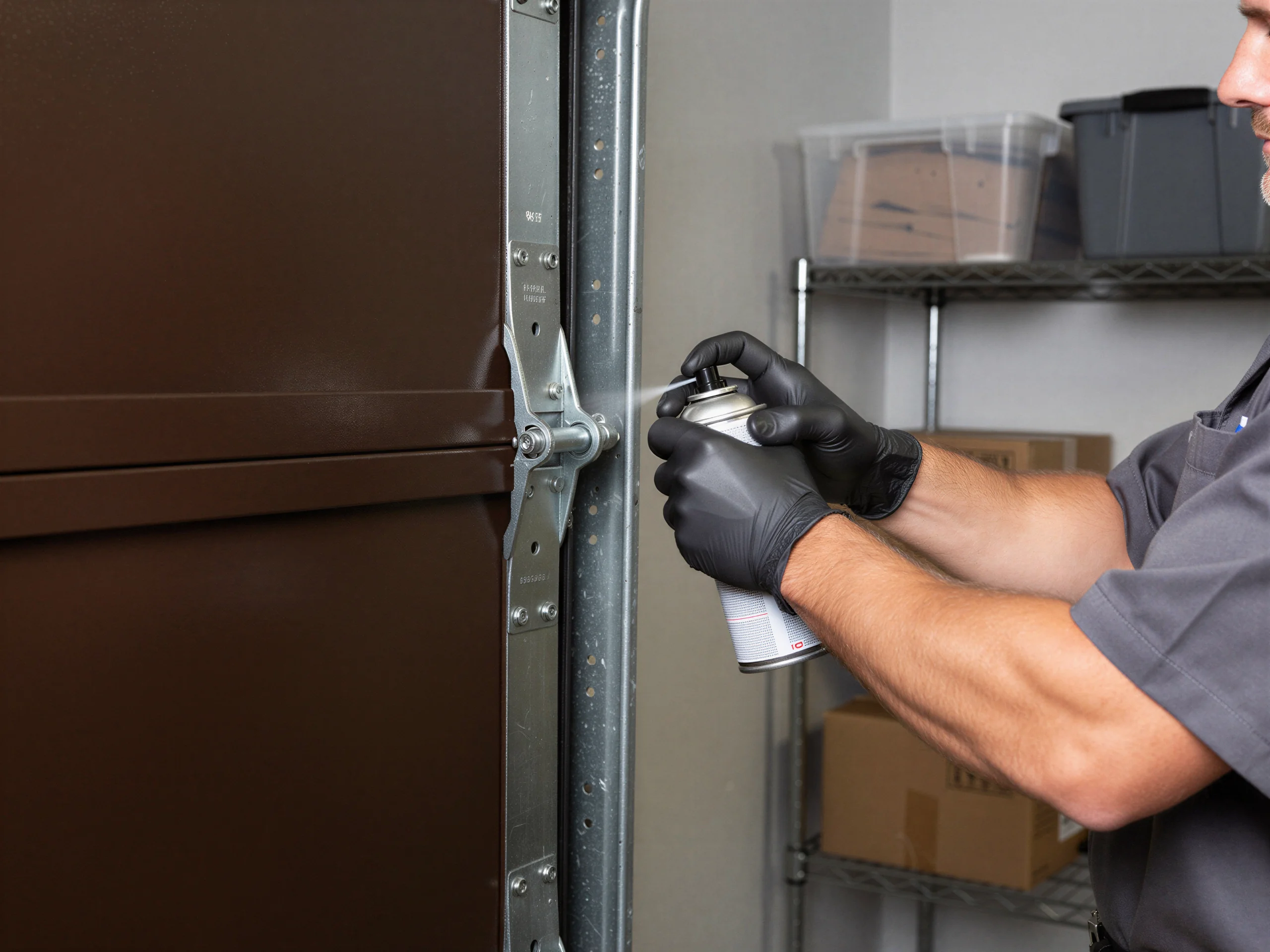
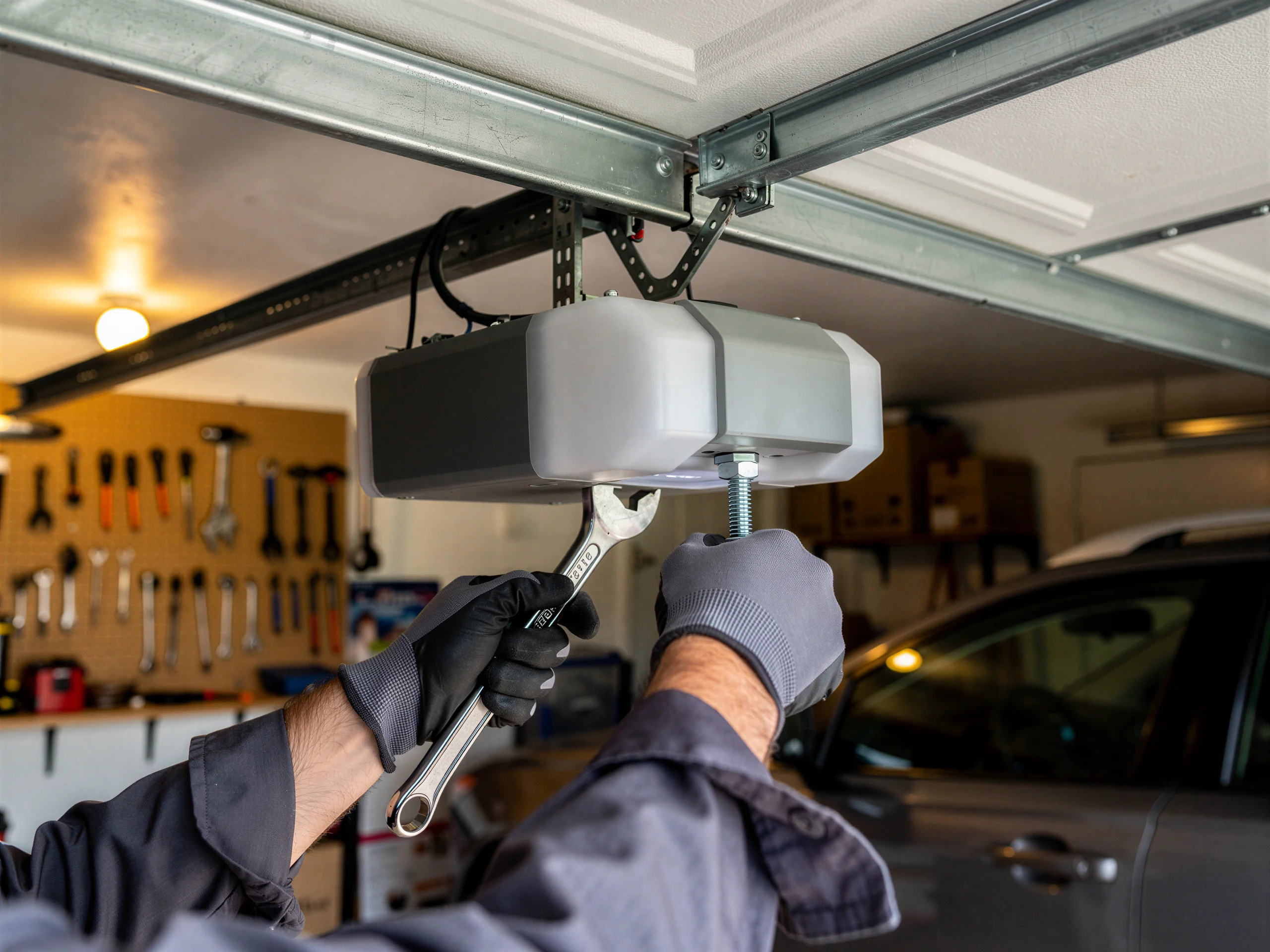
A straightforward swap - same mounting bracket, same rail length, no extra bracing needed - usually runs a couple of hours once we're on site.
Reinforcing ceiling framing
Add time if your opener's bracket is mounted to framing that needs reinforcing, which comes up more on older builds where the ceiling structure wasn't set up for a heavier modern unit.
Code upgrade sensor work
Add more time if we're also bringing the door up to code with new safety sensors, since that's wiring and alignment work, not just bolting a motor to a rail.
No same-day promises
What we won't do is promise a same-day slot before we've talked through what's actually wrong - given the drive from Land O' Lakes, we'd rather give you an accurate window than a fast one we can't keep. Most Bayonet Point jobs we schedule land within a few days of the call, grouped with other work nearby.
Talk to a local pro
Garage door service in Land O' Lakes?
Same-day service with honest, upfront quotes.