How Long It Takes
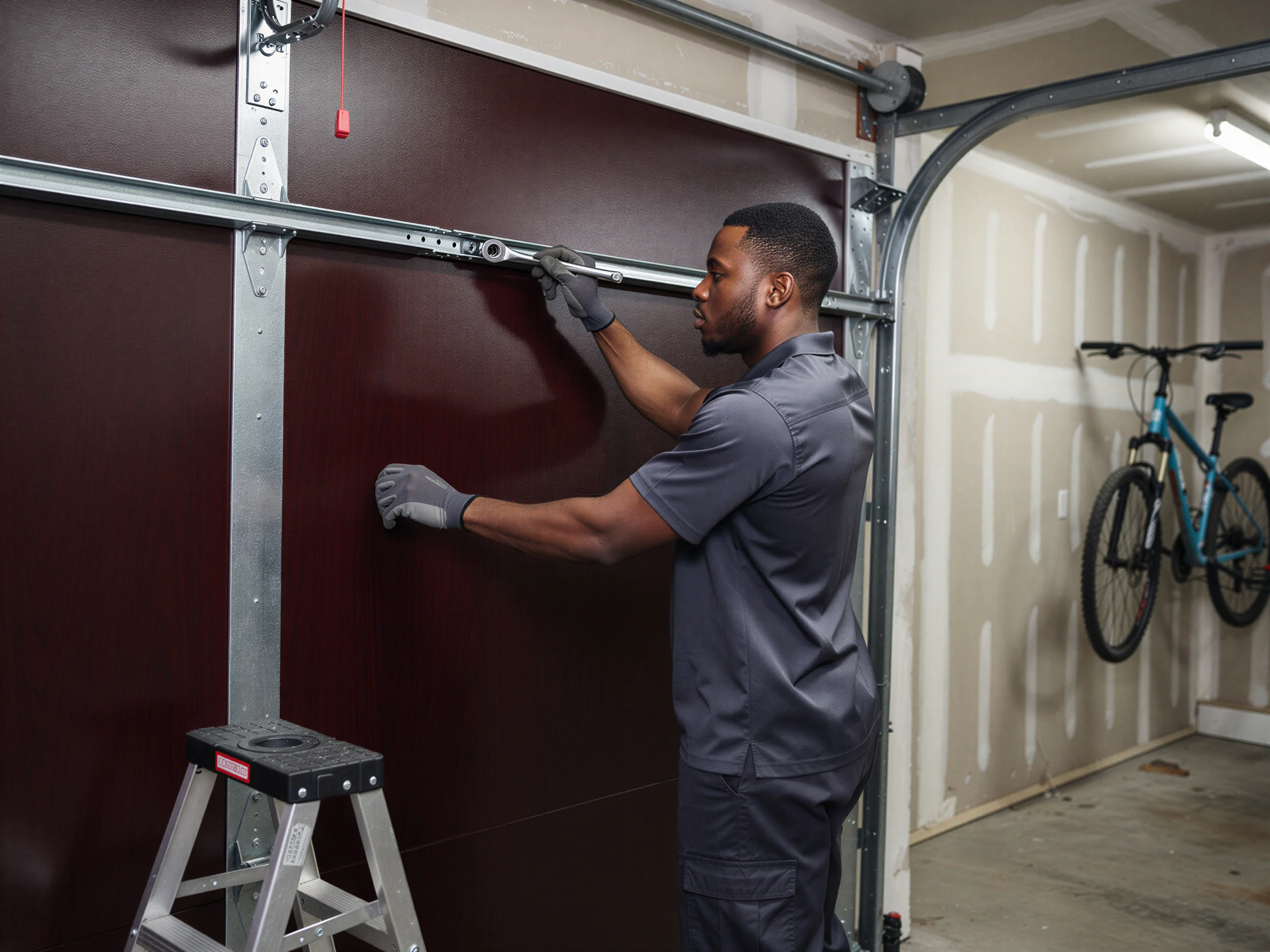
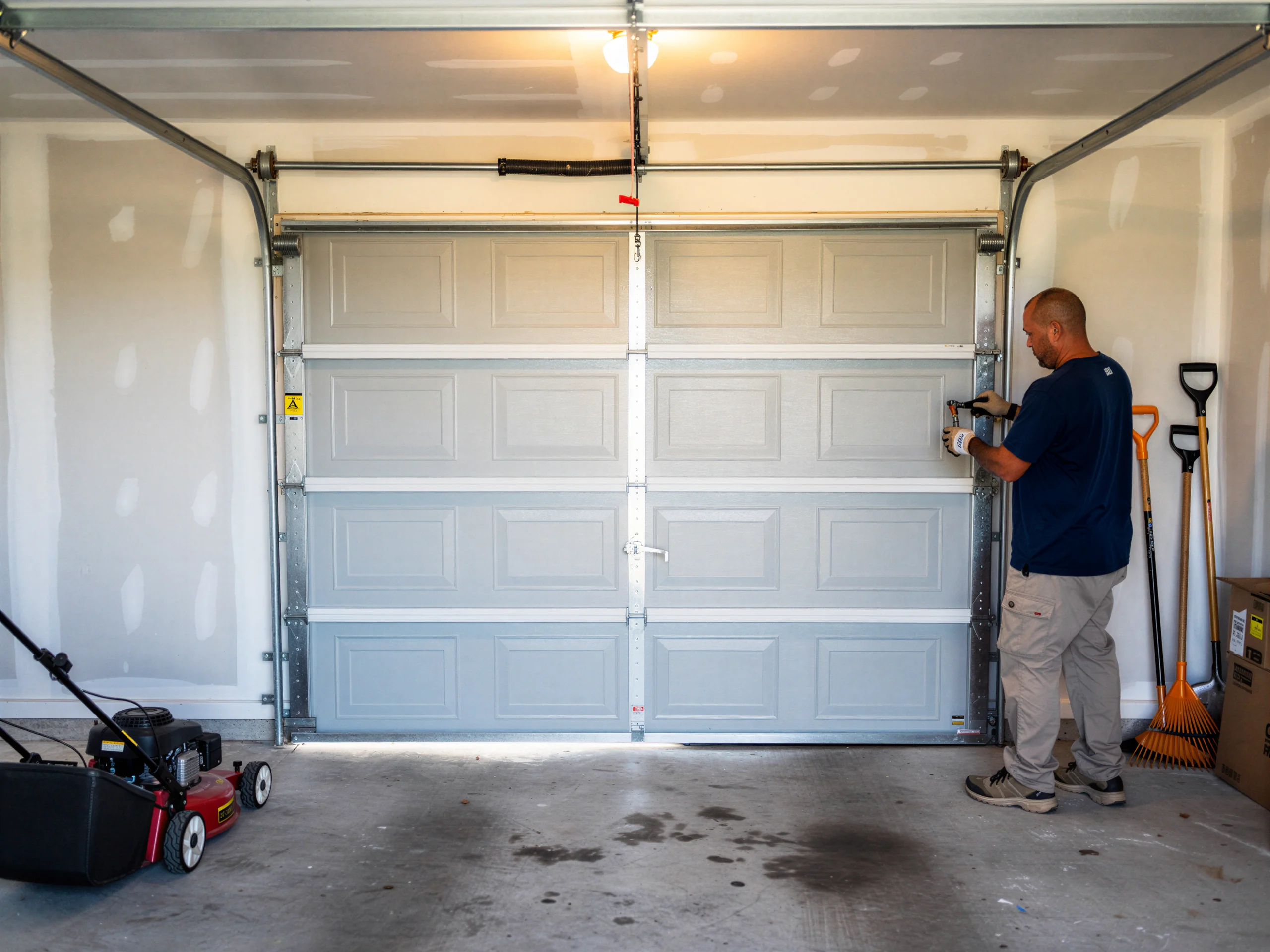
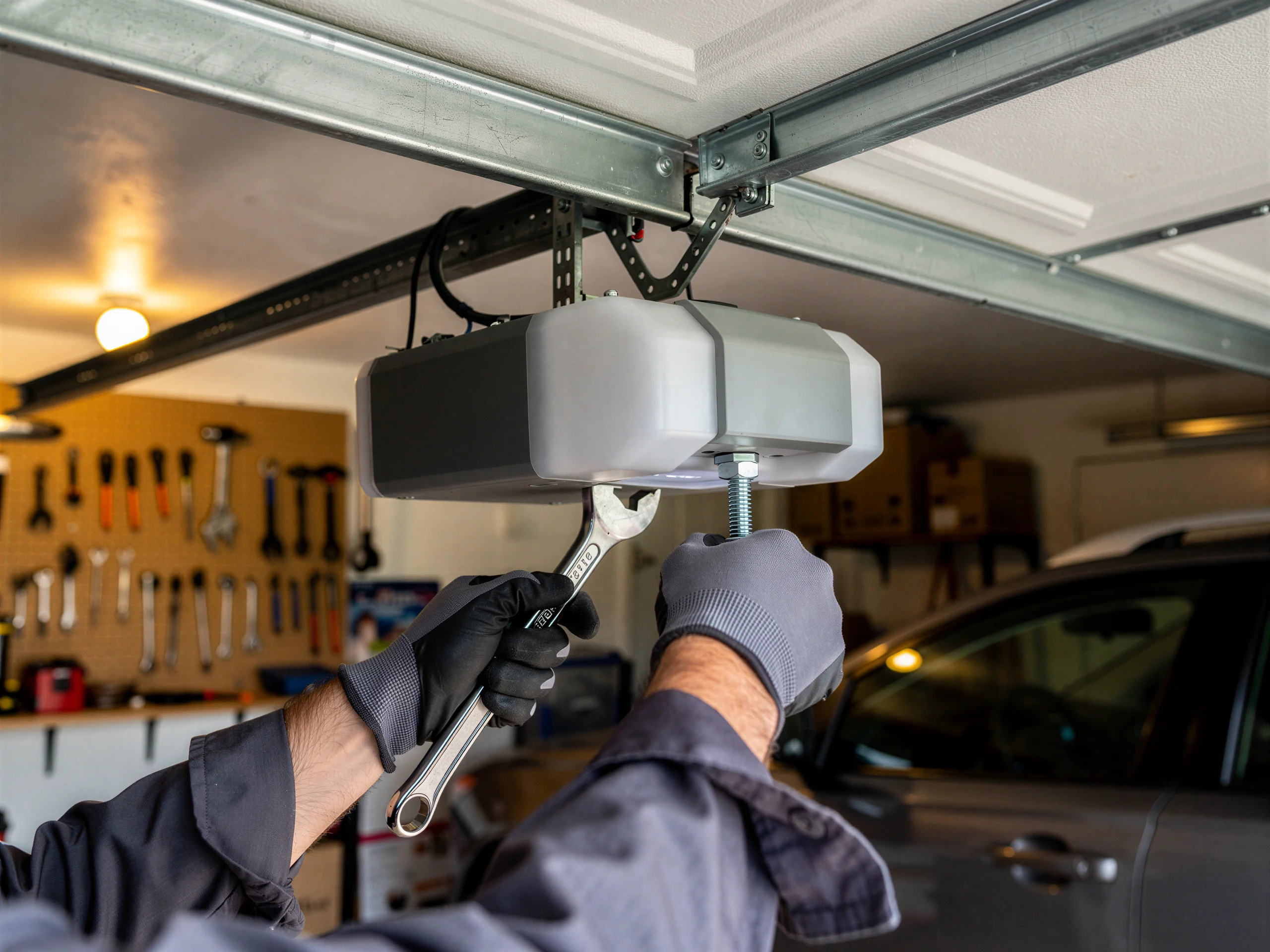
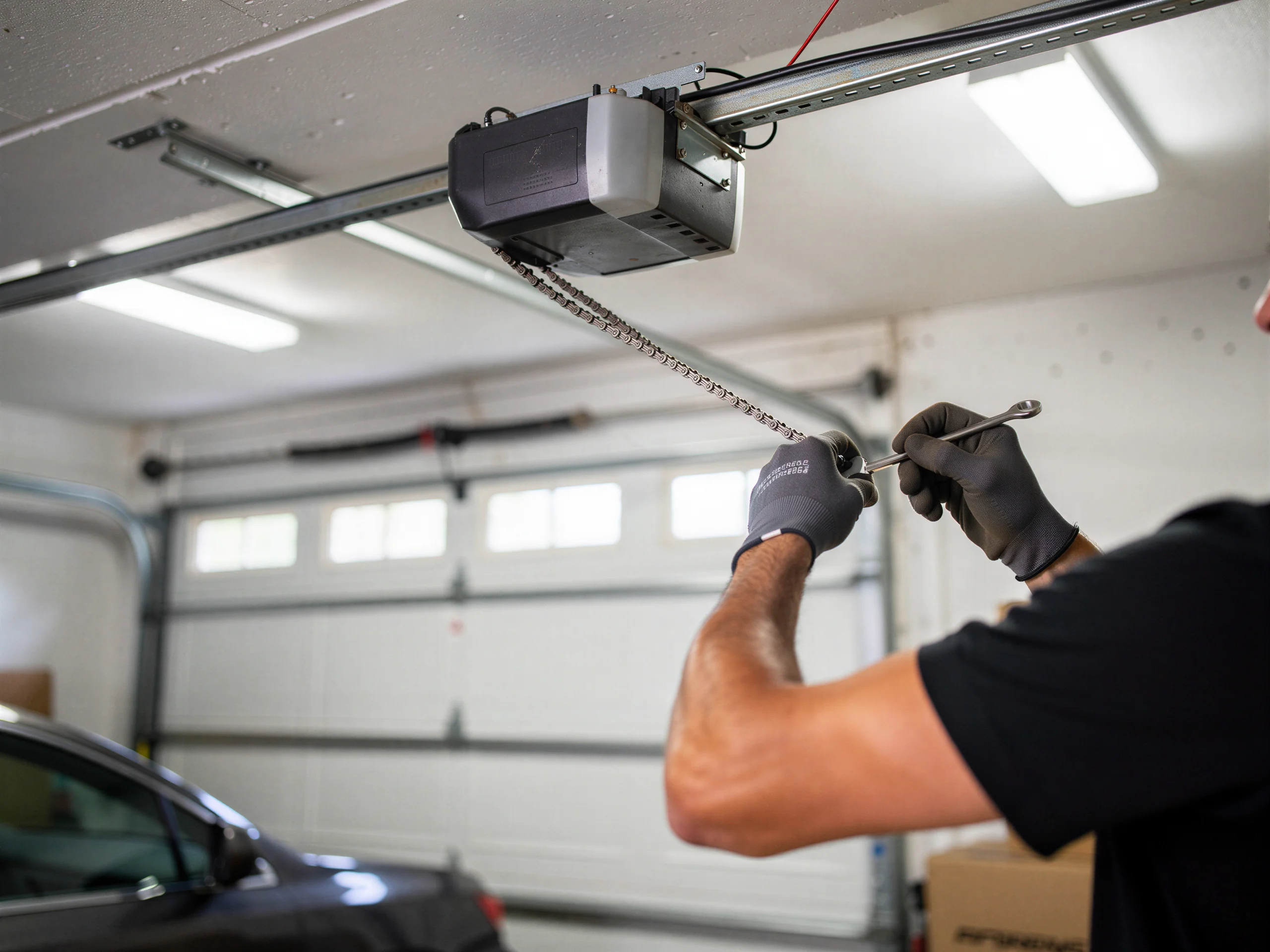
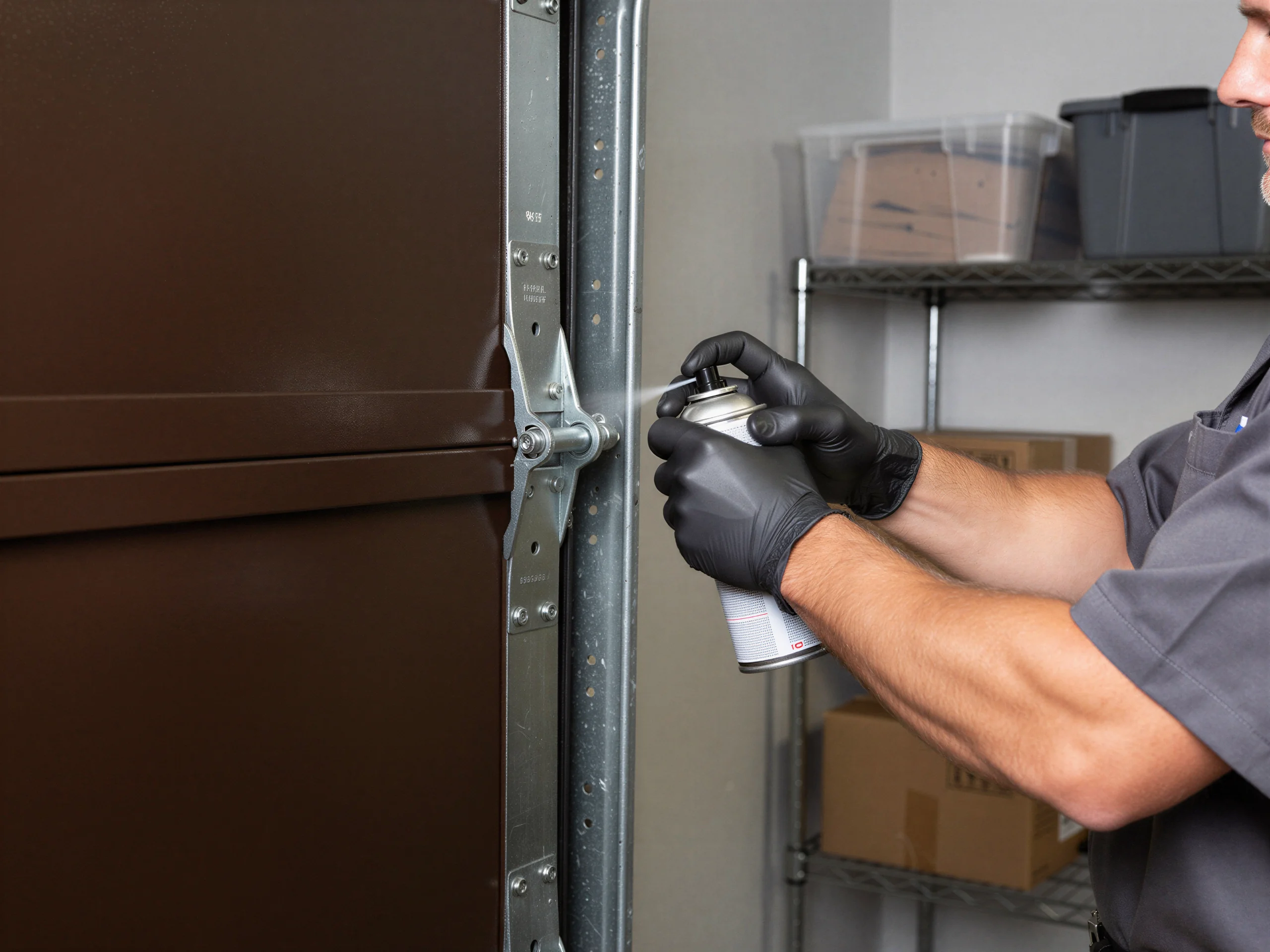
A standard maintenance visit on a Keystone home is a single stop, not a multi-trip project. We check the spring tension, inspect cables for fraying, test the opener's auto-reverse safety feature, lubricate the moving hardware, and tighten anything that's worked loose from vibration over the years.
Visit scope and surprises
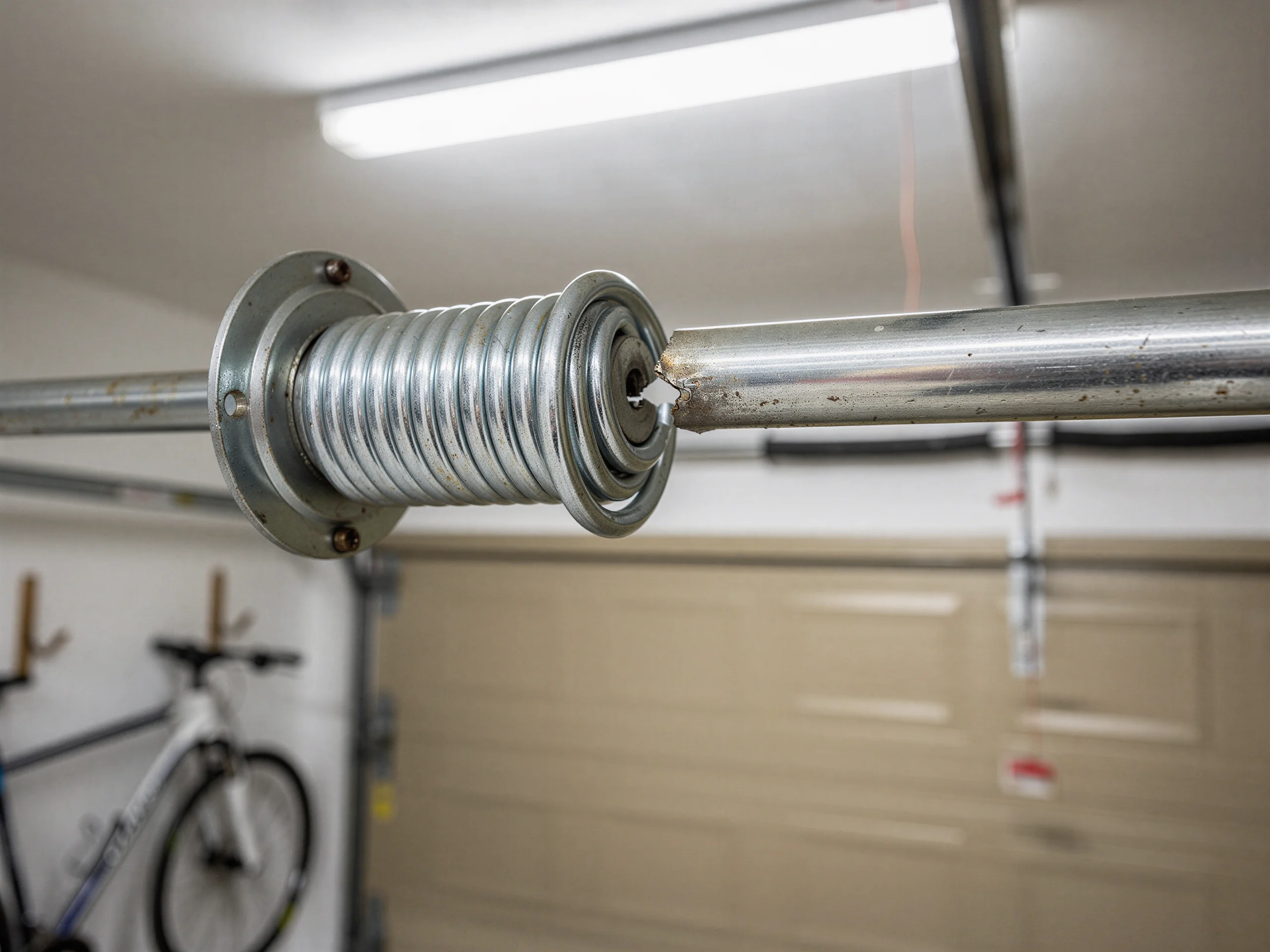
On a door with no surprises, that's the whole visit. What extends it is what we find once we're looking closely. A roller that's cracked rather than just worn, a cable with visible fraying, or a spring that's clearly past its cycle life turns a maintenance visit into a conversation about what needs replacing next.
Walkthrough before extra work
We'll walk you through what we see before doing anything beyond the standard check, since a tune-up and a repair are two different jobs with two different scopes.
Full-stop scheduled visits
We travel out from our shop in Land O' Lakes for every Keystone call, about 11 miles each way, so we schedule the visit as a full stop rather than squeezing it in on the way to somewhere else.
Can You Do This Yourself
Some of it, yes. Wiping down tracks, applying a light lubricant to hinges and rollers (not the track itself), and checking that the door is visually level and not sagging on one side are all things an owner can do on a weekend.
Bolt tightening allowed
Tightening visibly loose bolts on the track brackets is fine too. What you shouldn't touch: the torsion spring itself, the cables, or the opener's force and limit settings.
Spring tension off-limits
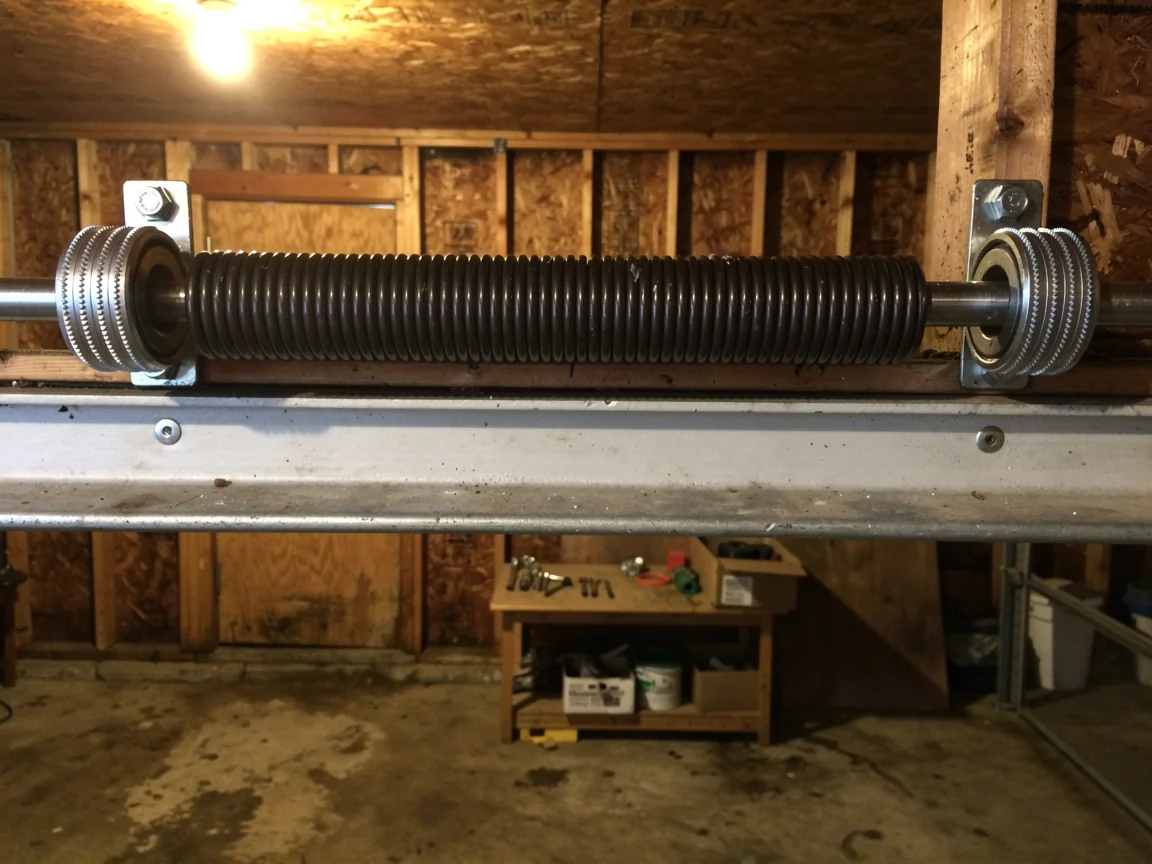
A torsion spring is under enough tension to cause a serious injury if it releases while you're working on it, and there's no safe way to "test" one without the right bars and clamps. Opener force settings, if set wrong, can mask a door that's actually struggling to lift, which hides a real mechanical problem instead of fixing it.
Binding means repair call
The honest limitation here: if your door is already binding, jumping off the track, or closing unevenly, that's past the point where a maintenance visit helps. That's a repair call, not a tune-up, and we'll tell you that straight rather than charge you for a visit that won't fix it.
How It Shows Up
In Keystone, the maintenance call usually starts the same way: a door that still opens but doesn't sound right anymore. A grinding chain drive, a spring that groans on the way up, rollers that have gone from a smooth roll to a stutter against the track.
Silent wear goes unnoticed
None of it stops the door from working yet, which is exactly why people put off calling until it does. The reason this pattern shows up so often here specifically is the age of the housing.
Three-decade-old original parts
Keystone's median home was built around 1998 (close to three decades back), which puts most original torsion springs, rollers, and openers right at or past the point where wear turns into failure. A spring rated for a certain number of cycles doesn't warn you before it's used them up. It just lets go.
Humidity in hinge pins
Humidity plays a supporting role too. We're in a mild temperate band here, not a place with hard freezes or wild temperature swings, but Florida humidity still gets into hinge pins and track bolts over enough years and turns smooth metal-on-metal motion into something that catches and squeals before it eventually binds.
Why It Happens Here
Keystone's housing is newer than a lot of what we see closer to the core of the service area, where the median build year runs back to 1986. Keystone's median sits around 1998, so the doors and openers here are, on average, over a decade younger than some of the older stock nearby. That doesn't mean Keystone is maintenance-free. It means the failure point here tends to be fatigue on original hardware that's simply reached the end of a normal lifespan, rather than the heavier structural wear you'd see on a 1970s or 80s door.
Income plays a role too, in a practical sense. Keystone's median household income runs near $155,365, well above the roughly $62,617 median across the wider service area. In our experience that tends to mean more upgraded, insulated doors and heavier-duty openers installed at the time of build, which still need the same seasonal check as a basic door, just with a bit more weight for the spring system to manage.
Add in Florida's humidity, even in a mild temperate band without the freeze-thaw cycles that crack hardware elsewhere, and you get slow corrosion on hinge pins and bolts as the main driver of the squeaks and binding we get called out for.
What the Repair Takes
For most Keystone homes built in that late-1990s wave, the parts involved in a maintenance-driven repair are ordinary: standard torsion springs sized for a typical two-car door, steel rollers, hinges, and cables in common gauges.
Same-visit fixes common
None of that is hard to source, which matters because it means a spring swap or roller replacement usually happens the same visit it's found, not weeks later waiting on a part. Where it gets slower is openers.
Discontinued drive gear boards
A chain-drive or belt-drive unit from the late 90s or early 2000s may have a drive gear or circuit board that's no longer made, and if a homeowner wants to keep the exact unit running rather than replace it, that part can take time to track down or may not be available at all.
Refusing to rebuild units
We'll say that plainly if we hit it rather than stringing out a repair on a part that isn't coming. Our limitation here is simple: we don't rebuild openers that are genuinely discontinued. At some point replacing the unit costs less time and less money than chasing a part for one that's past support.
Talk to a local pro
Garage door service in Land O' Lakes?
Same-day service with honest, upfront quotes.