How Long It Takes
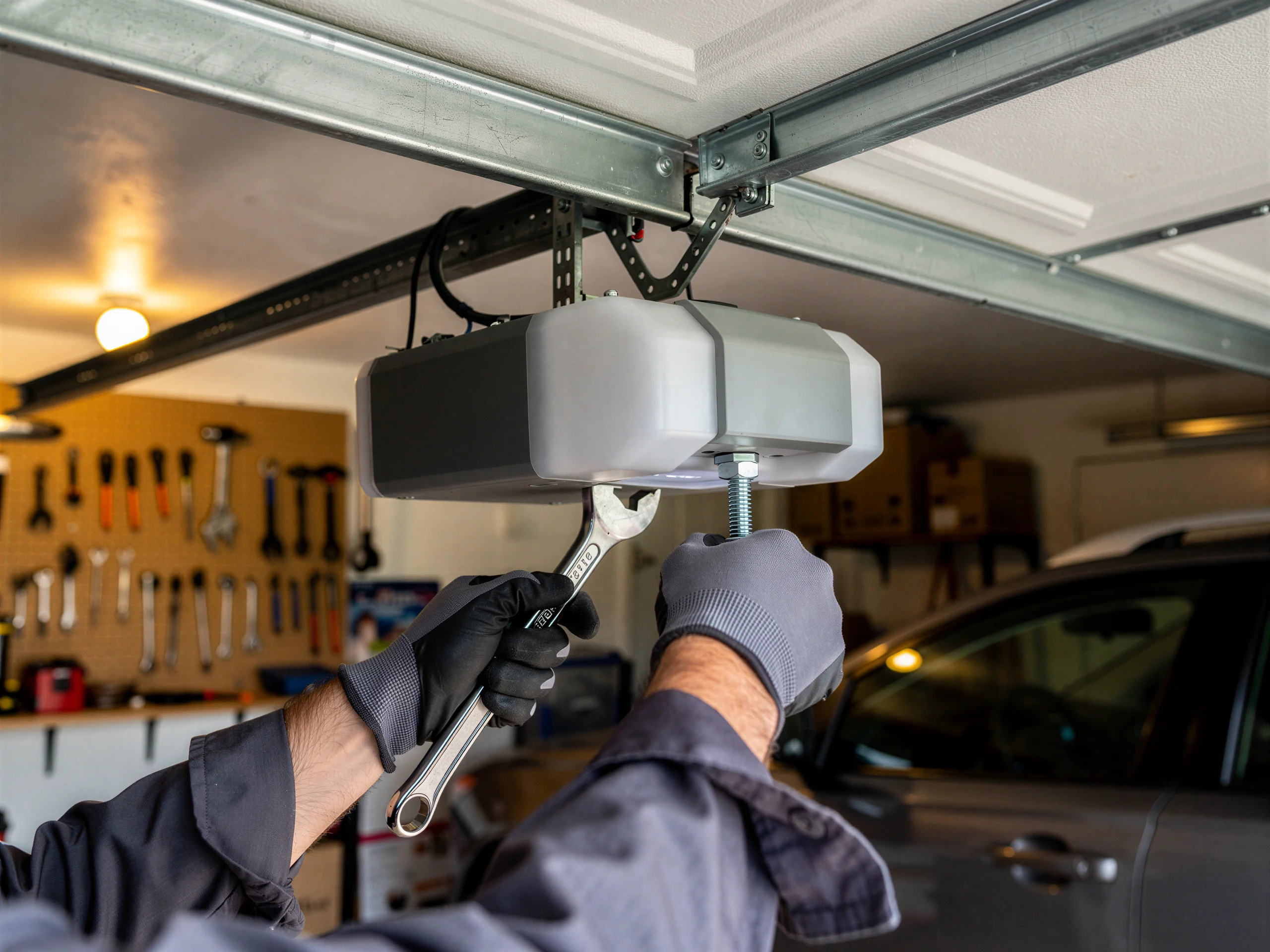
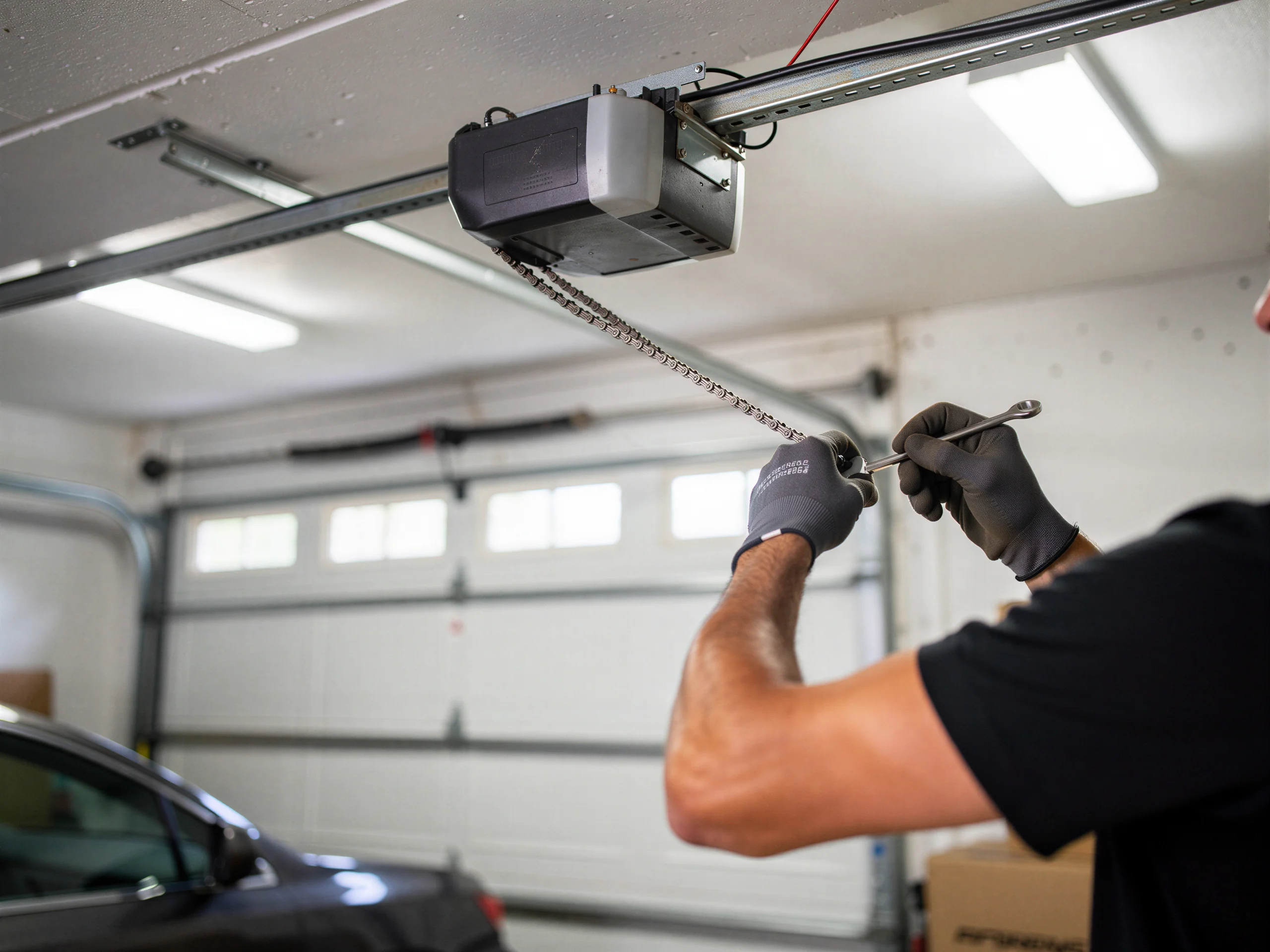
A sensor realignment or remote reprogram is a short visit - the kind of thing that gets wrapped up in one trip once we're on site. A logic board or circuit swap takes longer because it depends on matching the part to an opener that may be older than its drive belt or chain suggests. We come from Land O' Lakes, about 11 miles out, so the drive itself adds time to the day that a closer job wouldn't - plan the visit, not a same-hour fix. If the opener turns out to need a full replacement rather than a repair, that's a longer job still, since it means pulling the old head unit, rewiring the wall controls, and resetting the safety sensors to match the new unit's eye height.
Can You Do This Yourself
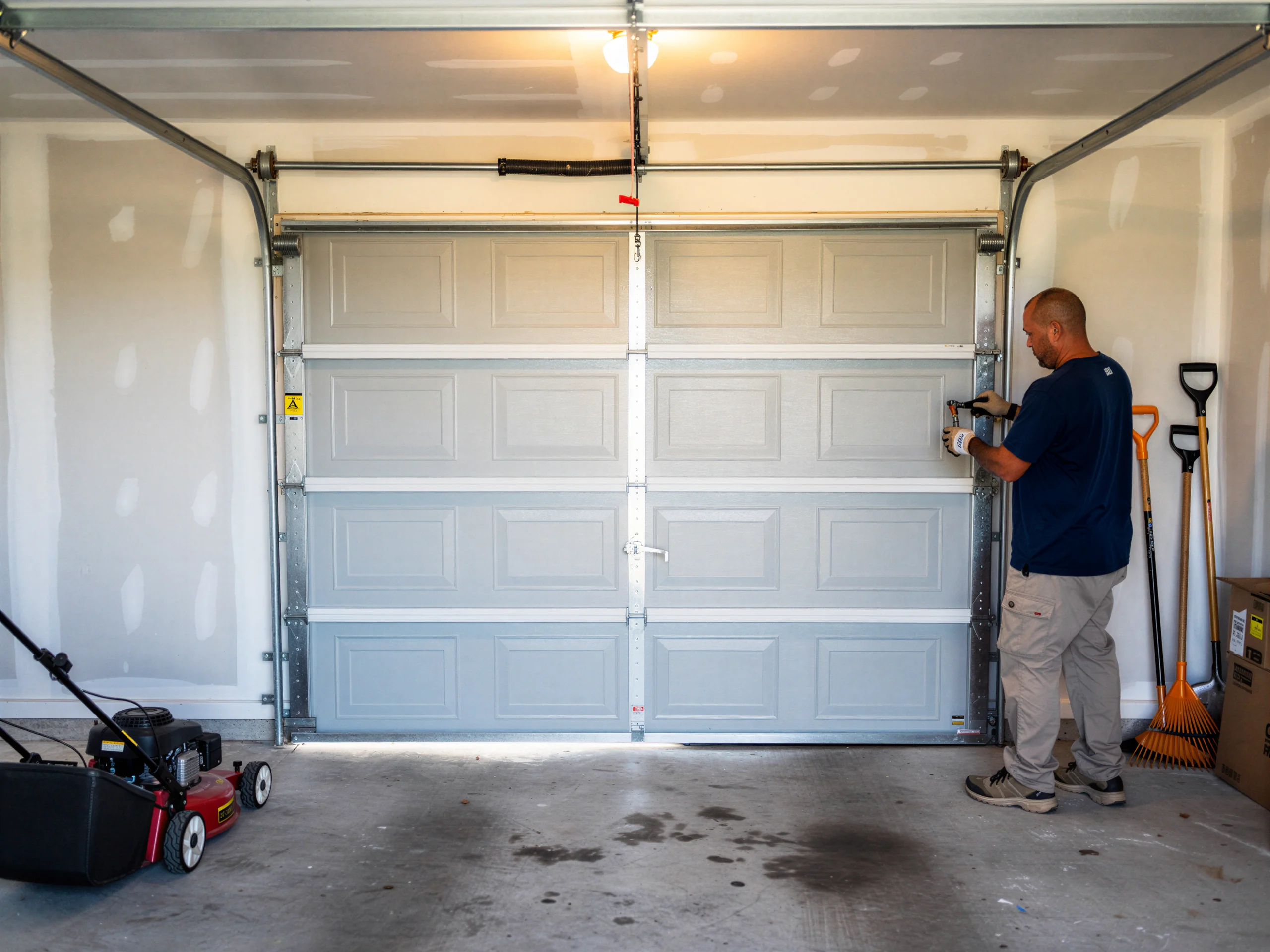
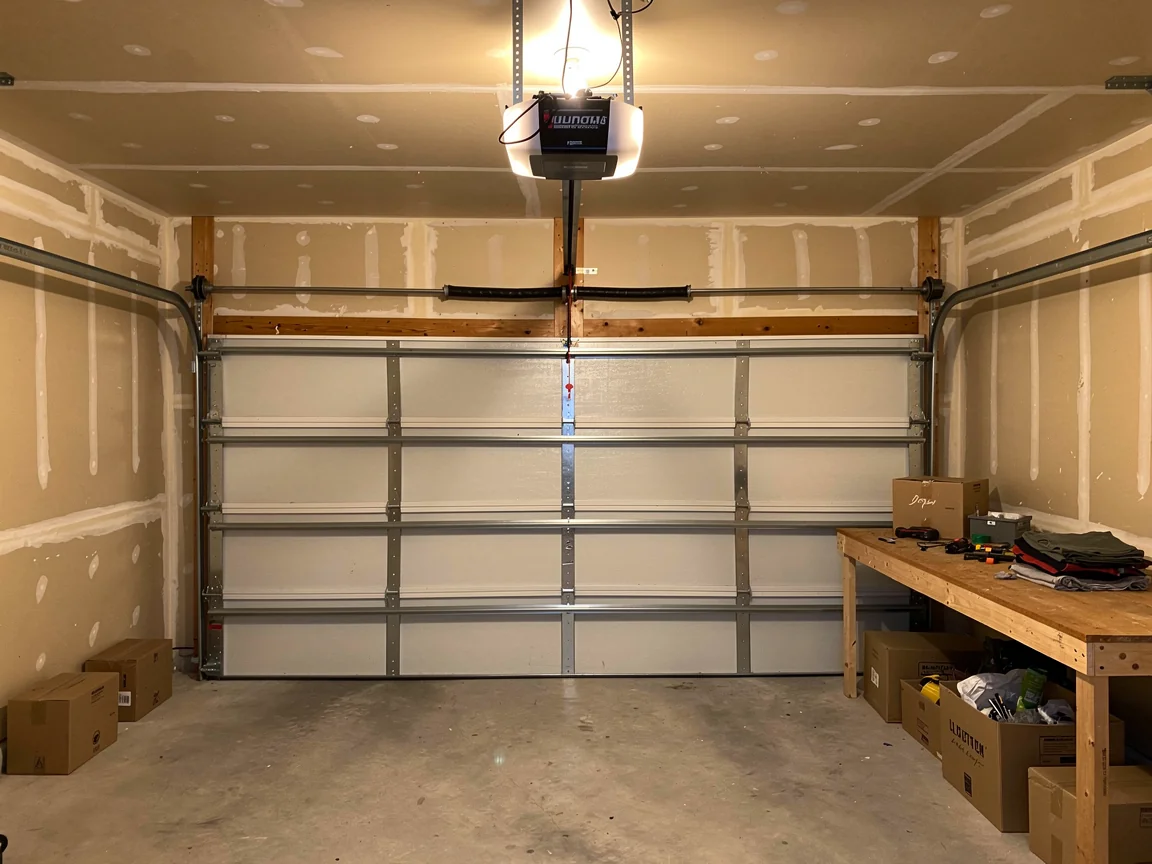
Some of it, yes. Realigning a safety sensor, tightening a loose antenna wire, or reprogramming a remote is within reach for most owners and doesn't need a truck. Where it stops being a DIY job is the logic board itself - if the opener runs the motor but won't respond to the wall button or the remote at the same time, that's usually a board or a transformer, and those aren't parts you can test with a multimeter from a hardware store. Pull the opener model plate before you decide anything; on a 1998-era build you're often looking at a chain-drive unit that's well past the point where parts are stocked on a shelf, which changes whether repair is even the right call versus swapping the head unit. We won't tell you to replace something that just needs a $20 sensor.
How It Shows Up
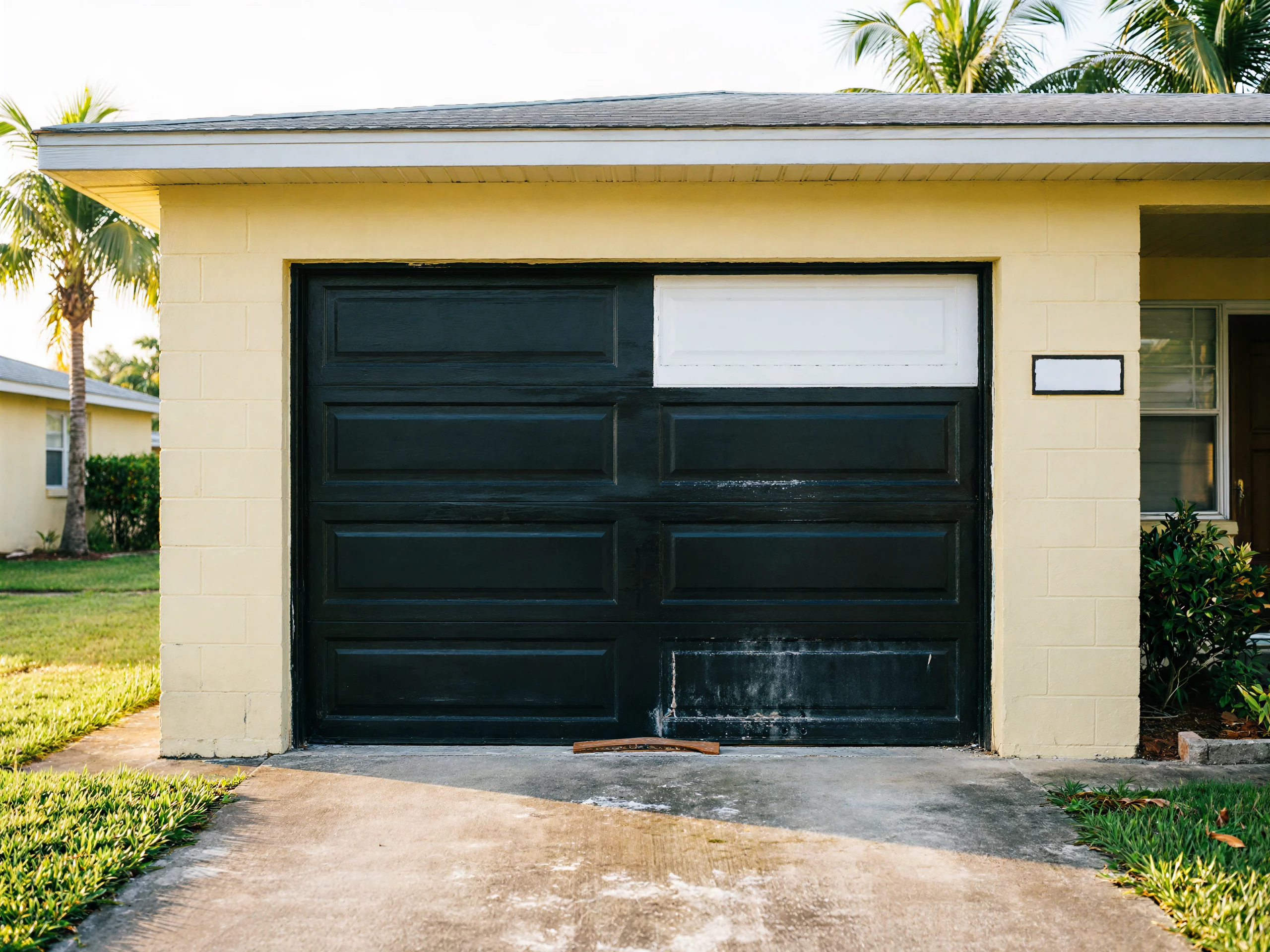
Keystone's houses mostly went up around 1998, which puts most garages here a full generation newer than the older pockets closer to Land O' Lakes.
Heavier doors, board failures
That means two-car doors, heavier steel sections, and openers that were new enough to have circuit boards and rolling-code remotes rather than the old dip-switch kind. The failure you're looking at usually isn't the door - it's the opener struggling to lift a door it was matched to twenty-some years ago, before the hardware aged.
Reversing mid-travel
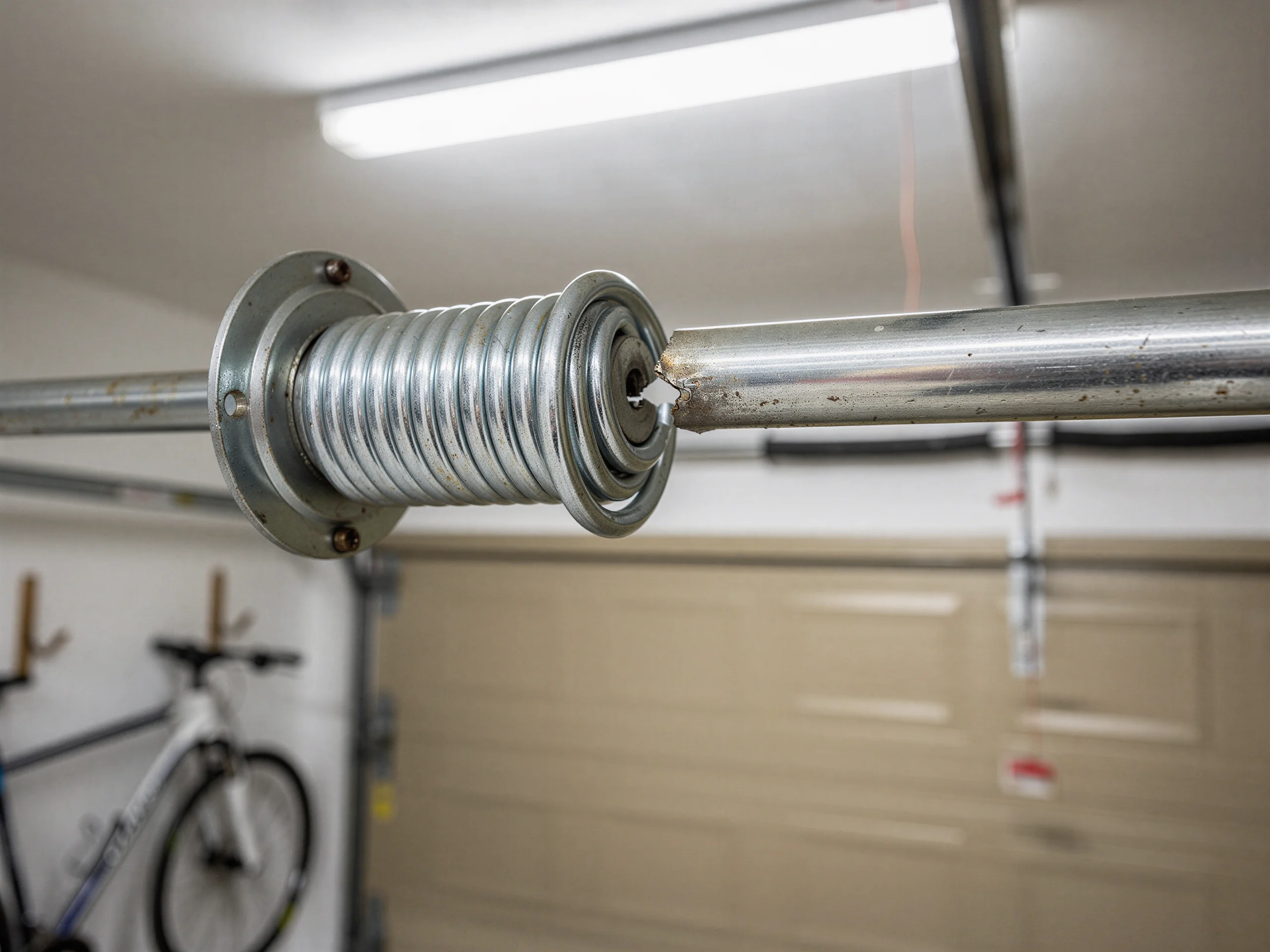
You'll see the carriage reverse partway up, hear the motor hum without the door moving, or get a blinking light on the wall unit instead of a working remote. On homes this age, the sensors mounted near the floor are also a common point of failure - a knocked bracket or a hairline crack in the lens throws the safety circuit and the door won't close at all.
Control box, not track
None of this is dramatic. It's just a system that's been cycling twice a day for over two decades finally showing its age in the control box instead of the track.
Why It Happens Here
Keystone's median household income runs well above the wider service area - $155,365 against the area-wide $62,617 - and that shows up in the garages themselves: larger two-car doors, heavier insulated panels, and openers that were spec'd with more lifting capacity than the stripped-down builder-grade units common in older, denser parts of the territory. Those stronger motors still wear the same way everyone else's do, just on a longer clock. With roughly 9,330 households in Keystone built around the same late-1990s window, a lot of these openers are hitting the same age ceiling within a few years of each other - which is why we're seeing more board and sensor calls from this pocket now than we were five years back. It isn't bad luck. It's a neighborhood that got built in a tight window finally catching up to the hardware's lifespan all at once.
What the Repair Takes
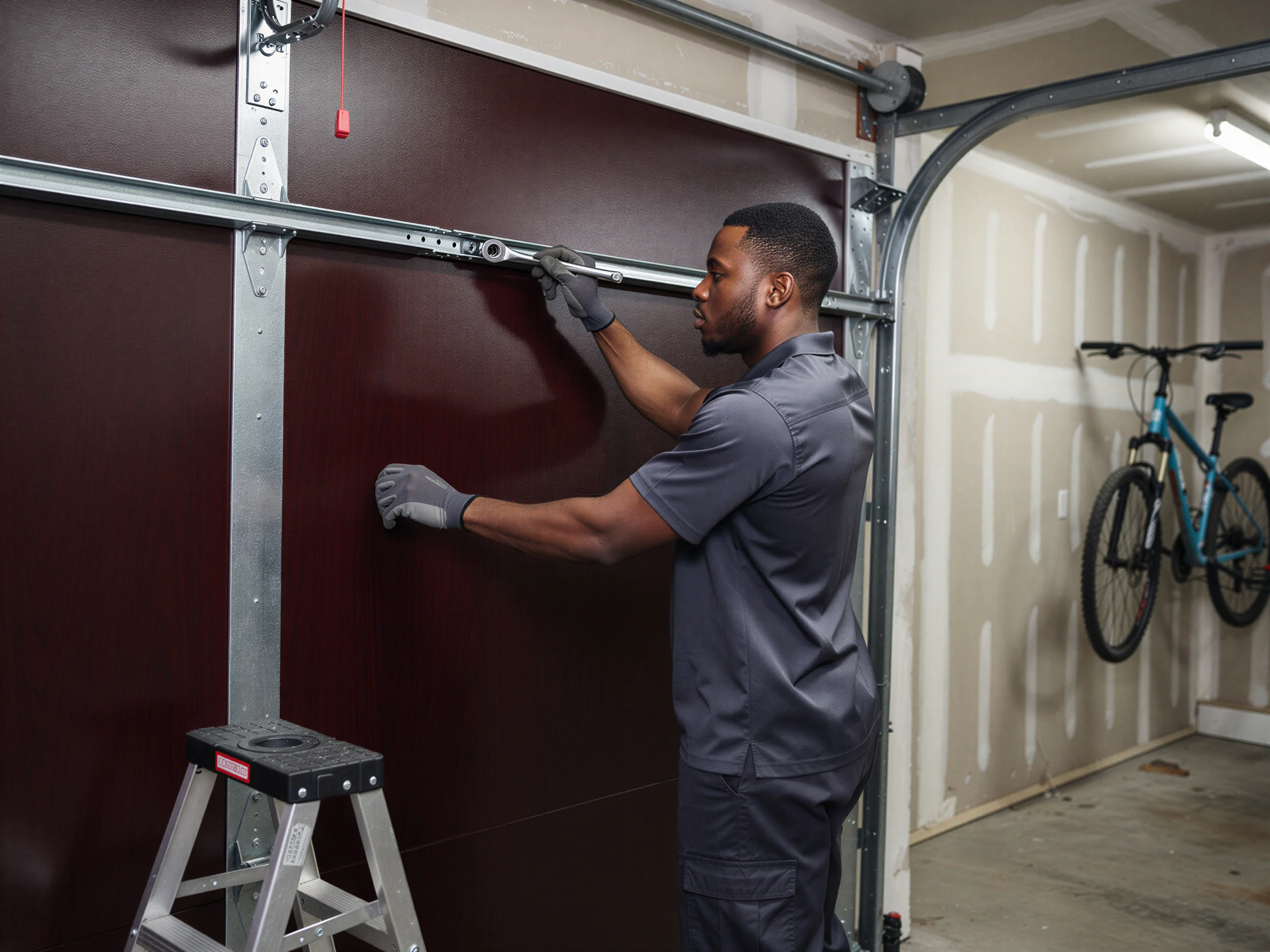
Most of these jobs break down to one of three things: a logic board, a set of safety sensors, or the drive mechanism itself - belt, chain, or screw, depending on what was installed when the house was built.
Capacitor and gear wear
On a door this era, we're also checking the capacitor and the gear-and-sprocket assembly if it's a chain unit, since those wear out around now regardless of how well the door's been maintained.
Mild climate, fewer freezes
Climate plays a smaller role here than people expect - this part of Florida sits in a mild temperate band, so we're not dealing with the hard freeze-thaw cycling that kills openers up north.
Intermittent humidity faults
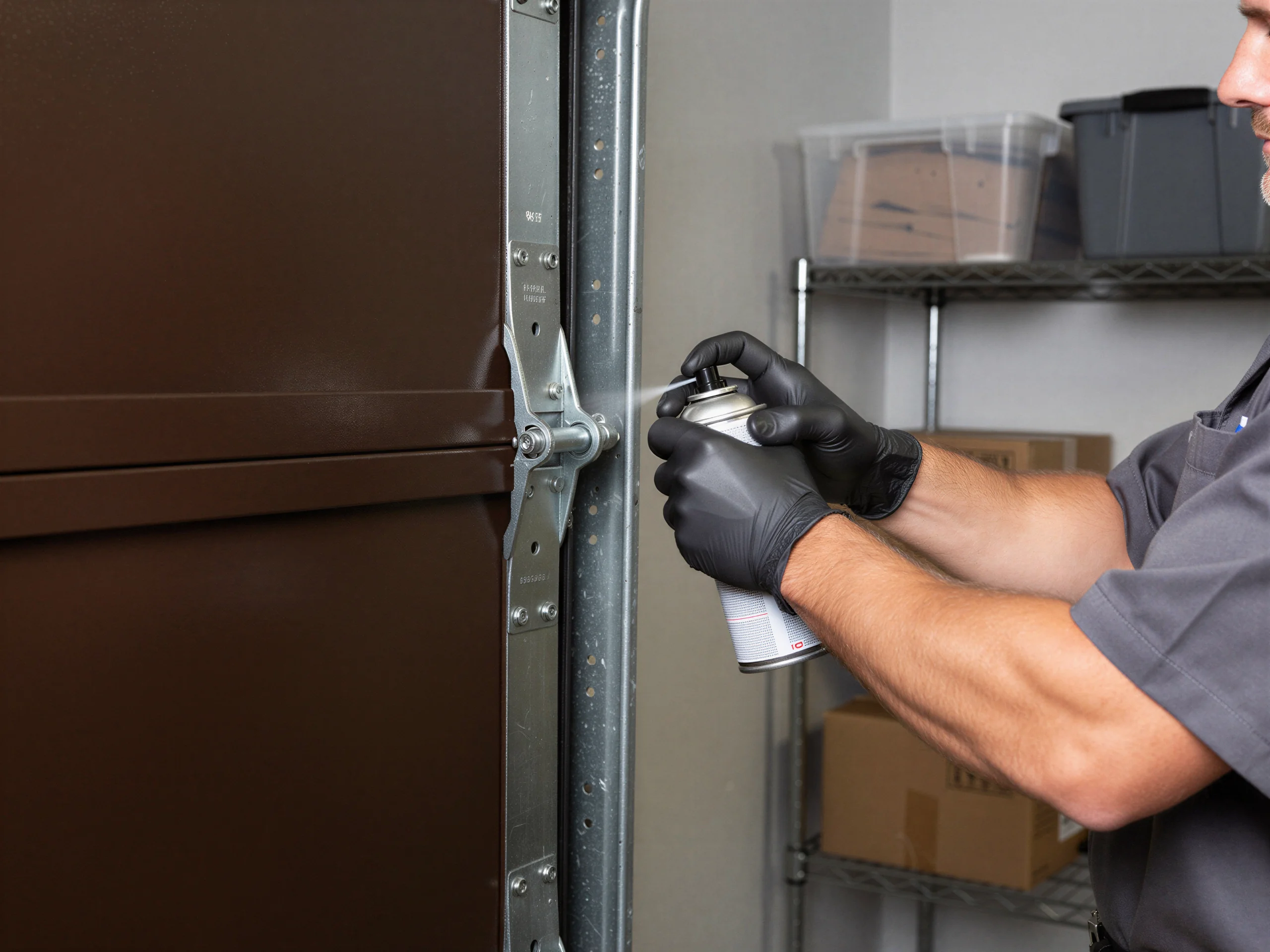
What we do see is humidity creeping into old wiring and connectors over the years, which shows up as intermittent faults rather than a clean failure. We diagnose before we quote, because a $40 sensor and a $300 board look identical from the driveway.
Talk to a local pro
Garage door service in Land O' Lakes?
Same-day service with honest, upfront quotes.