How Long It Takes
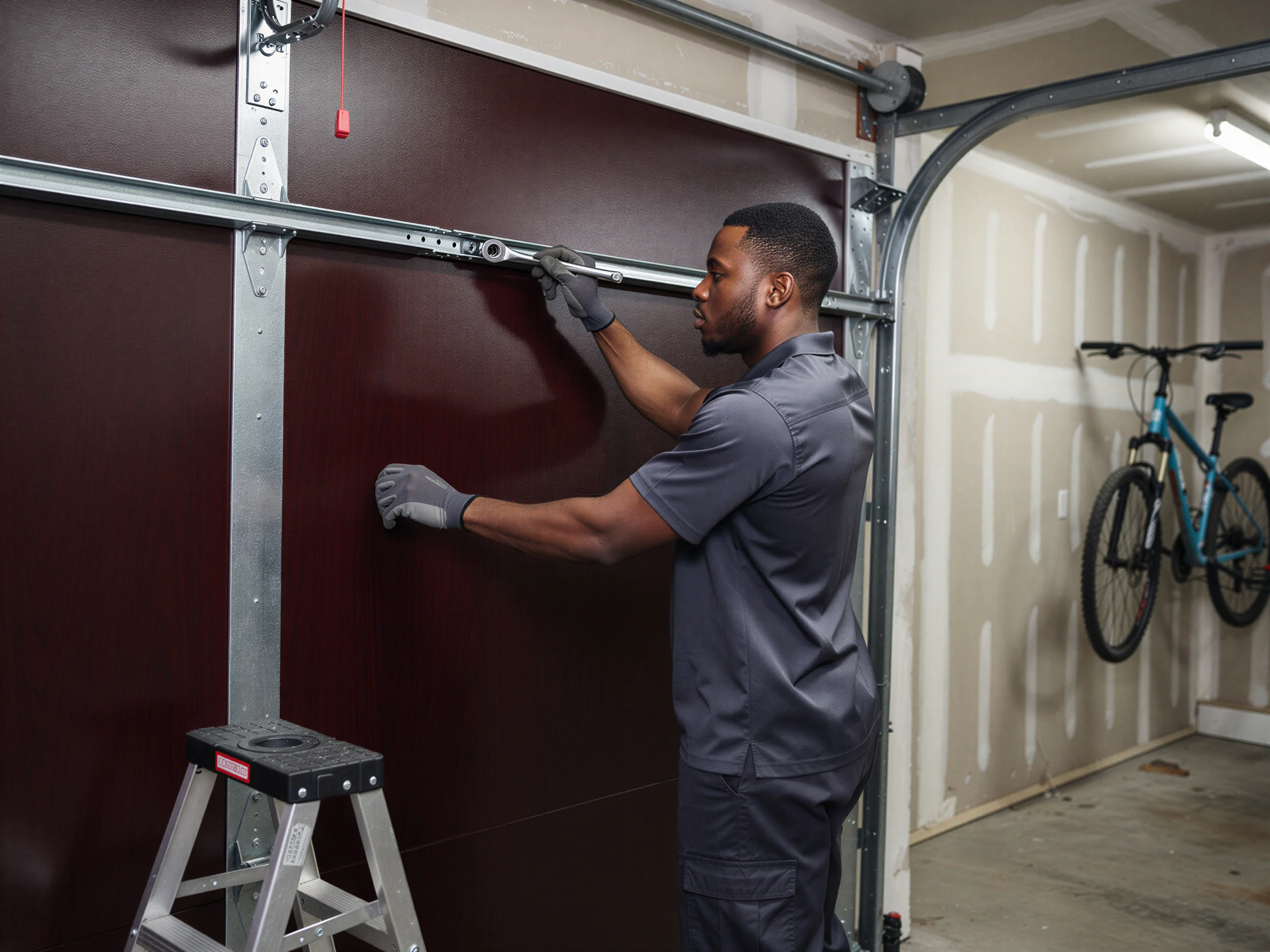
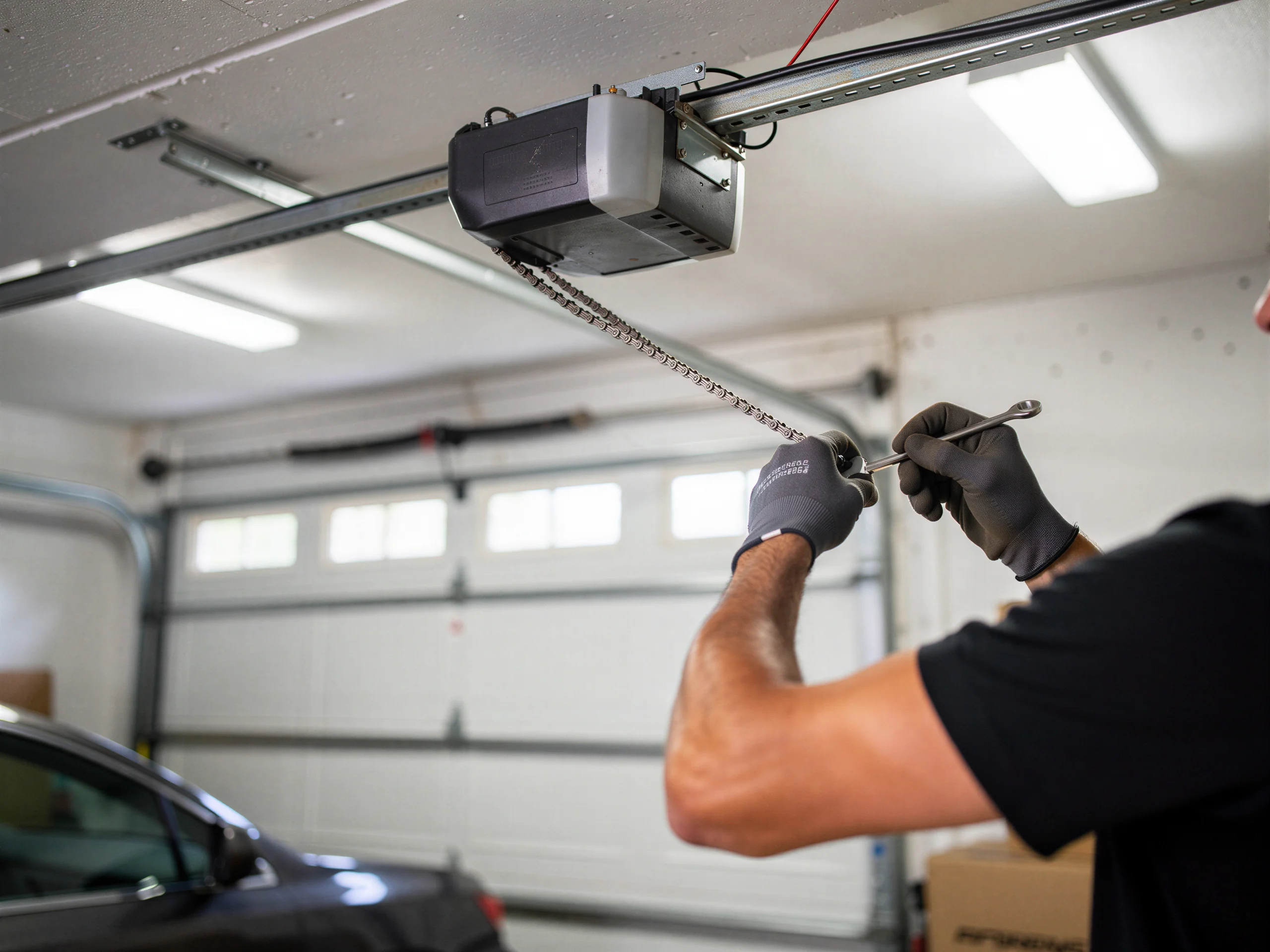
Most spring jobs on a Keystone home run under two hours once we're on site, torsion or extension, single or double door. The time that's harder to pin down is the drive - at 11 miles from Land O' Lakes, we build that into the schedule rather than treating it as a same-hour walk-in. If you call and the door is stuck shut with a car trapped inside, say so when you book; that gets prioritized differently than a door that's just slow or noisy. What we won't do is rush the winding itself. Getting the coils counted and the bars seated right takes the time it takes, and cutting that short is how a spring comes loose again in a year.
Can You Do This Yourself
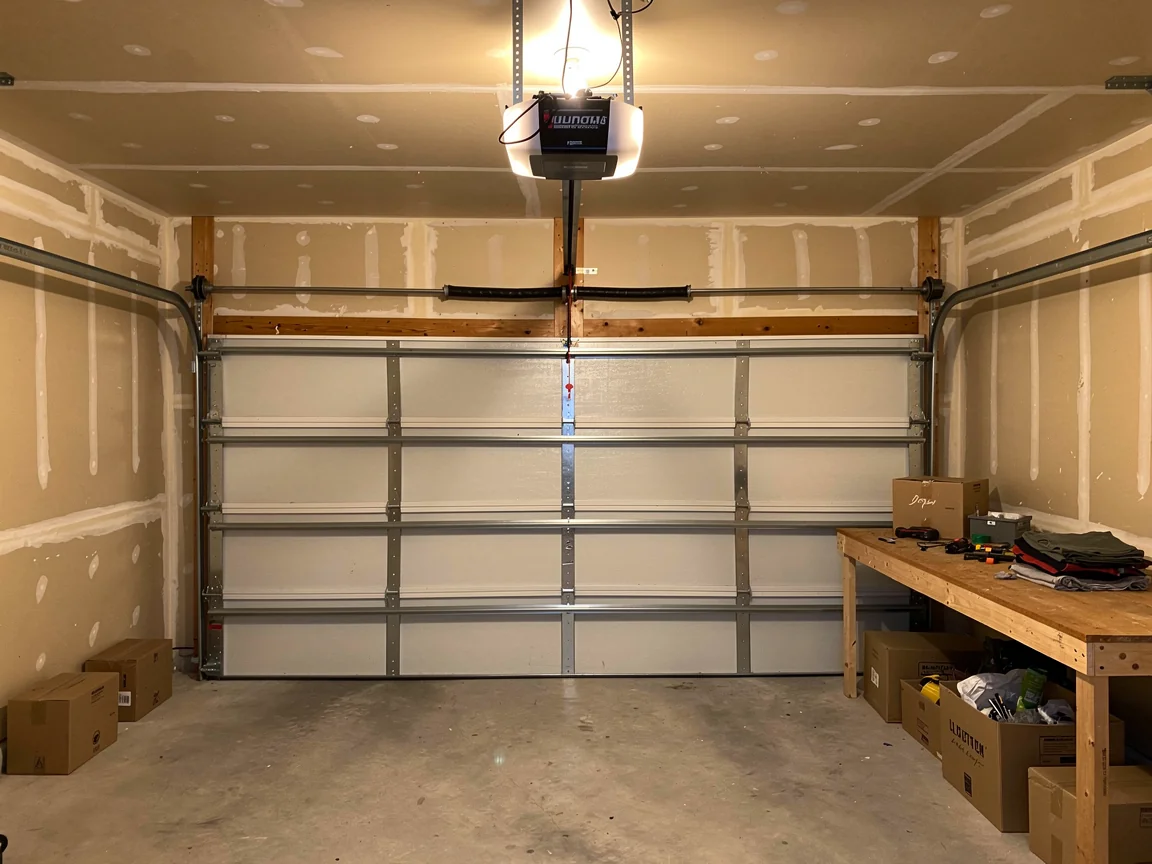
We'll say it plainly: don't. A wound torsion spring holds enough stored energy to break a wrist or worse if it lets go while you're working on it, and the winding bars and tension needed aren't things most homeowners keep in the garage. Extension springs are a little less violent but still dangerous under tension. What you can safely do is the diagnosis - lift the door by hand with the opener disconnected and see if it's heavy, uneven, or won't stay up on its own. That tells us what we're walking into before we're even in the driveway. Past that point, the winding, the cable routing, and the balance adjustment are jobs for someone who does this daily.
How It Shows Up
Keystone sits 11 miles out from our Land O' Lakes base, which matters more than it sounds like. A spring call here isn't a five-minute hop - it's a trip we plan for, which is why when we come out we bring both torsion and extension stock on the truck rather than guessing and driving back.
Weak lift, strained opener
You'll notice a dead spring the same way anyone does: the door feels twice as heavy when you lift it by hand, or the opener strains and groans but the door barely rises before the motor gives up.
Gunshot-like snap
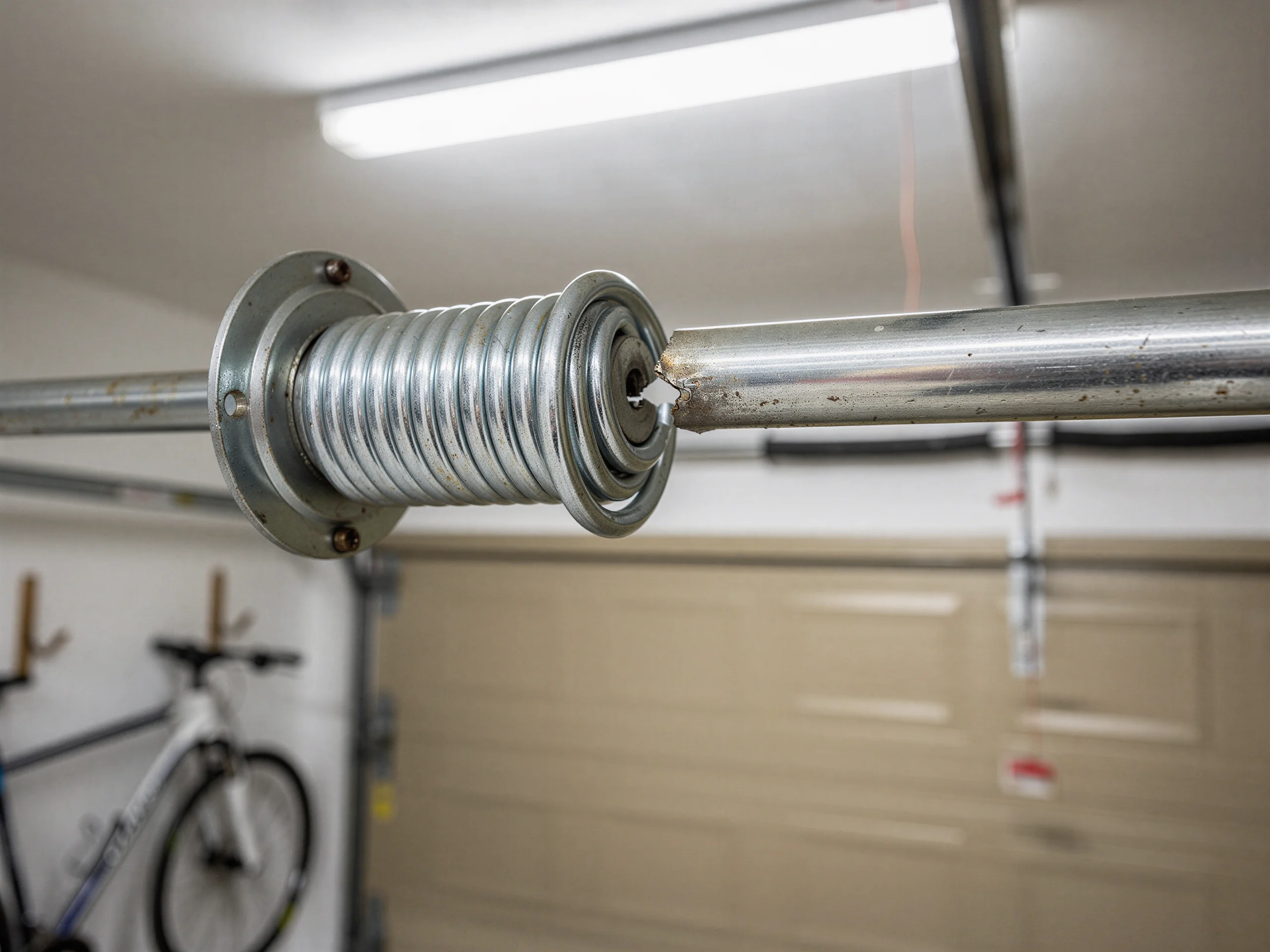
Sometimes you'll hear the bang first - a torsion spring snapping sounds like a gunshot in a closed garage, and after that the door won't budge under power at all.
Torsion over extension systems
With homes in this part of the county built mostly around 1998, we're usually looking at torsion springs on a standard two-door setup rather than the older side-mounted extension systems you'd find in neighborhoods from decades earlier.
Why It Happens Here
Springs die from cycle count and from heat-cold swings on the metal, and Keystone's mild temperate climate means the second factor is a smaller player here than it would be somewhere with hard freezes - it's mostly just miles of lifting that wears a spring out. With a median household income around $155,365 in this area, a good number of these garages see two-car, two-opener daily use, which adds cycles faster than a single-door household would rack up. Across the roughly 9,330 households here, built mostly in and around 1998, the springs going now are largely original factory ones nearing or past their expected cycle life, not springs that were ever replaced before. That's a different failure pattern than you'd see in homes built across the wider service area between 1970 and 2005, where spring generations are more mixed.
What the Repair Takes
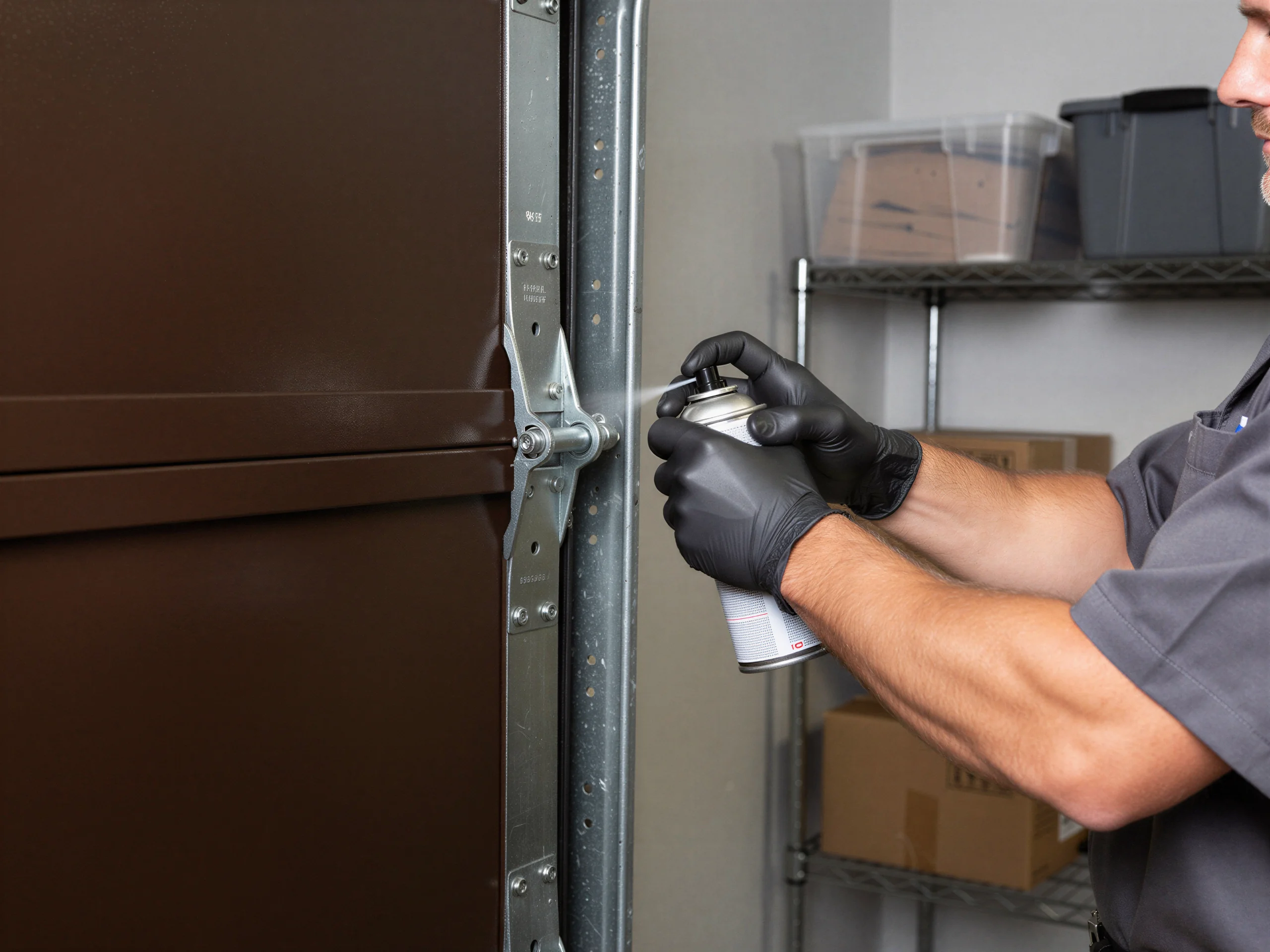
A straightforward spring swap means matching the wire size, coil diameter, and wind direction to what's already on the door - guess wrong and the door is either too light or too heavy on the opener, which just wears something else out faster.
Cable and bearing check
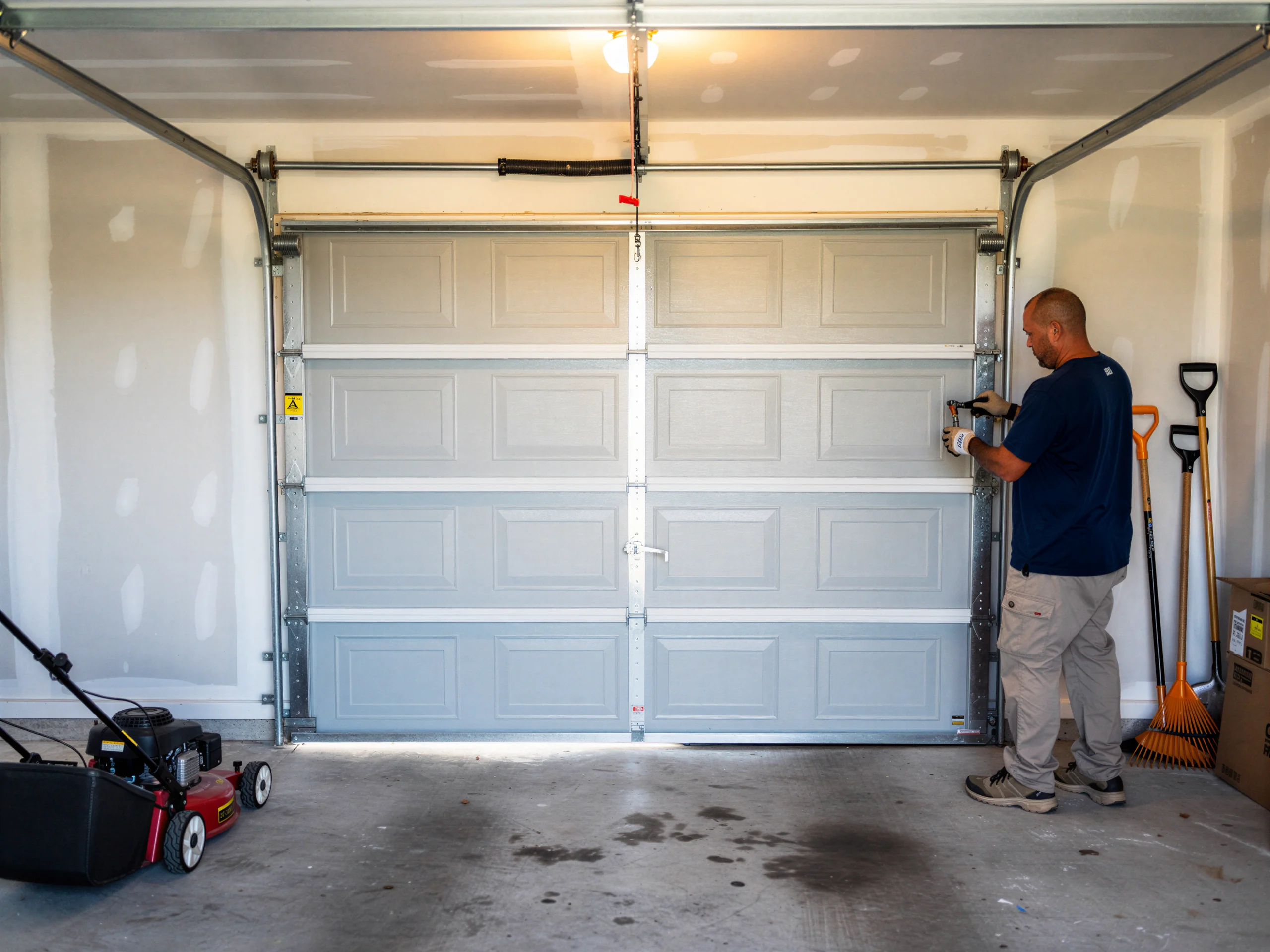
On most of these 1998-era builds we're dealing with torsion springs mounted on a single shaft above the door, so the job usually includes a cable and bearing check at the same time, since they wear together and it's wasted labor to come back a second time for a bearing that was already halfway gone.
Shaft and drum wear
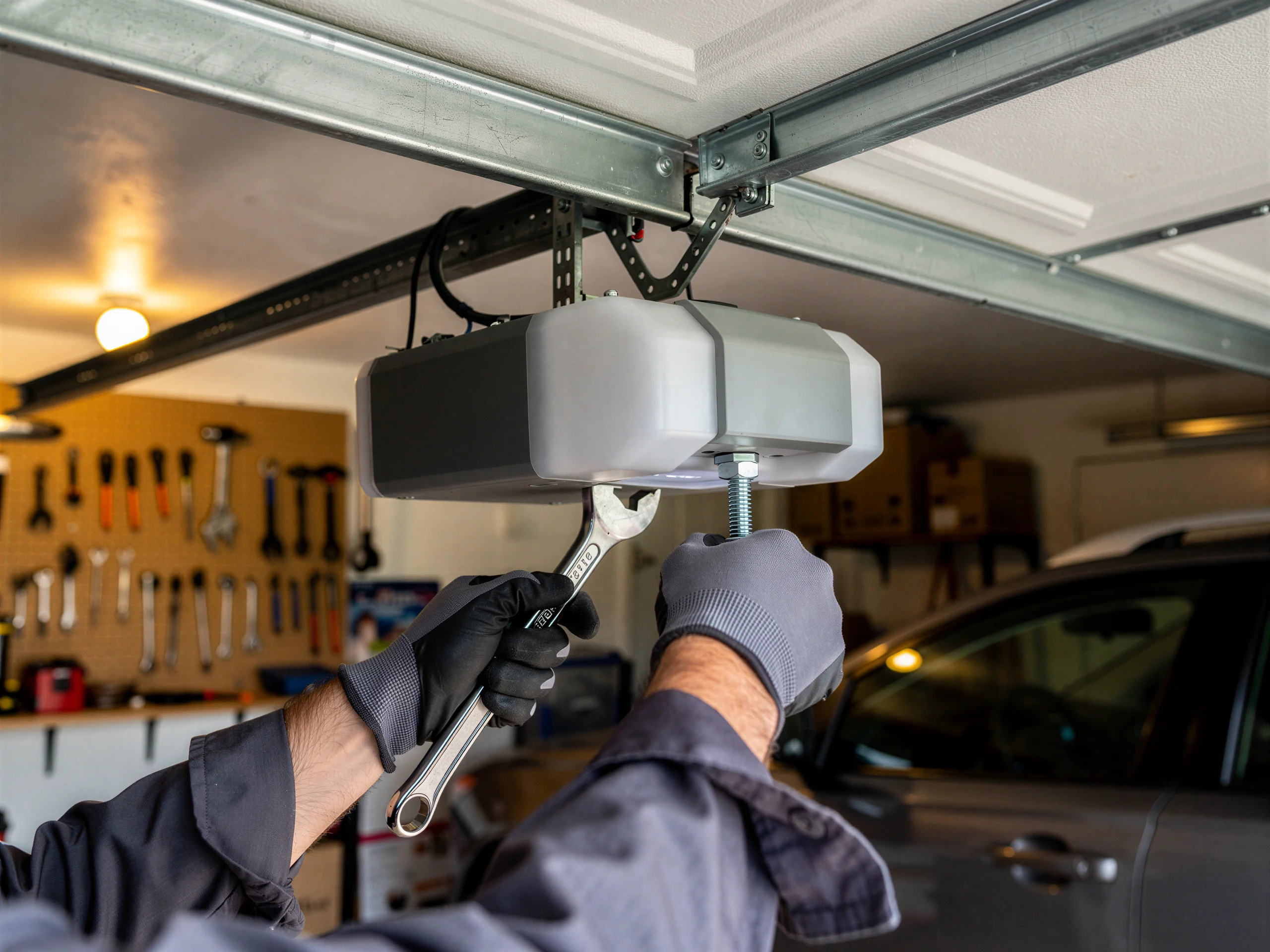
One honest limit: if the drums or the shaft are also worn or bent, that's a different repair than a spring swap, and we'll tell you that on site rather than forcing a spring job onto hardware that needs more.
Talk to a local pro
Garage door service in Land O' Lakes?
Same-day service with honest, upfront quotes.