How Long It Takes
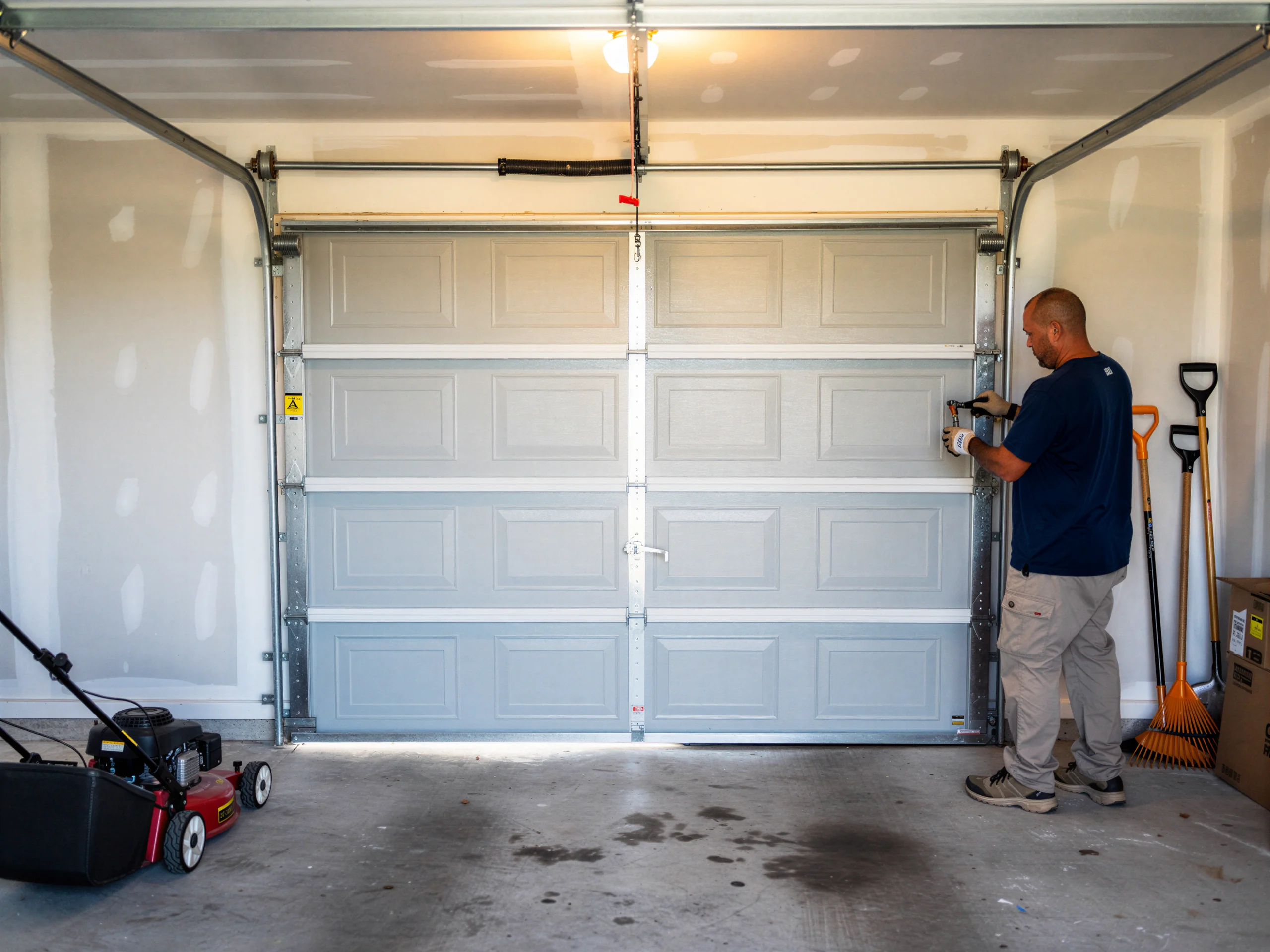
A straight torsion spring replacement or cable swap on a standard double door is usually a same-visit fix once we're on-site, factoring in the drive from Land O' Lakes. Opener board issues take longer to diagnose than to fix - sometimes it's a five-minute sensor realignment, sometimes it's a controller that needs replacing and that part isn't always sitting on the truck. We won't quote a response window here we can't back from 14 miles out, but once we're at the door, most jobs on this housing stock close out faster than older hardware because there's less corrosion and fewer mismatched parts fighting the repair.
Where This Job Goes Sideways
The job gets harder when a homeowner's already tried to force the door closed with a broken spring or a jammed track, because that turns a clean spring swap into a bent track, a cracked panel, or a stripped opener gear.
Piecemeal upgrade mismatches
We also run into surprises when a door's been upgraded piecemeal over the years - a newer opener bolted to original-build hardware, or a spring swapped out by a previous owner that doesn't match the door weight.
Undersized spring risk
Houses in this income bracket tend to have higher-end doors with insulation and heavier panels, which means more torque and less room for error if the spring's undersized. None of that is unusual, but it's why we ask what's been touched before we quote the job over the phone.
Can You Do This Yourself
A torsion spring under tension can break a hand or worse, and that risk doesn't change because your house is newer. Where a newer build does change things: opener boards and sensors in 2000s-era houses are often still the factory unit, and a lot of what looks like a broken door is actually a photo-eye sensor knocked out of alignment or caked with yard dust. That part you can check yourself - wipe the sensor lenses, make sure they're facing each other dead level, and see if the door closes. If it's a spring, a cable, or the door won't budge at all, that's not a weekend project. The cost of getting it wrong is a trip to the ER, not a wasted afternoon.
Parts We Carry
Because Westchase's housing stock clusters tightly around the early 2000s, the torsion springs, nylon rollers, and galvanized tracks we carry on the truck match what's actually on these doors - no guessing between three different spring diameters because the neighborhood spans five decades.
Standard spring stock
We stock standard torsion springs sized for 7-foot and 8-foot double doors, which is what you'll mostly find in a build era focused on two-car garages with lift-ready openers already wired in.
Heavy opener lead times
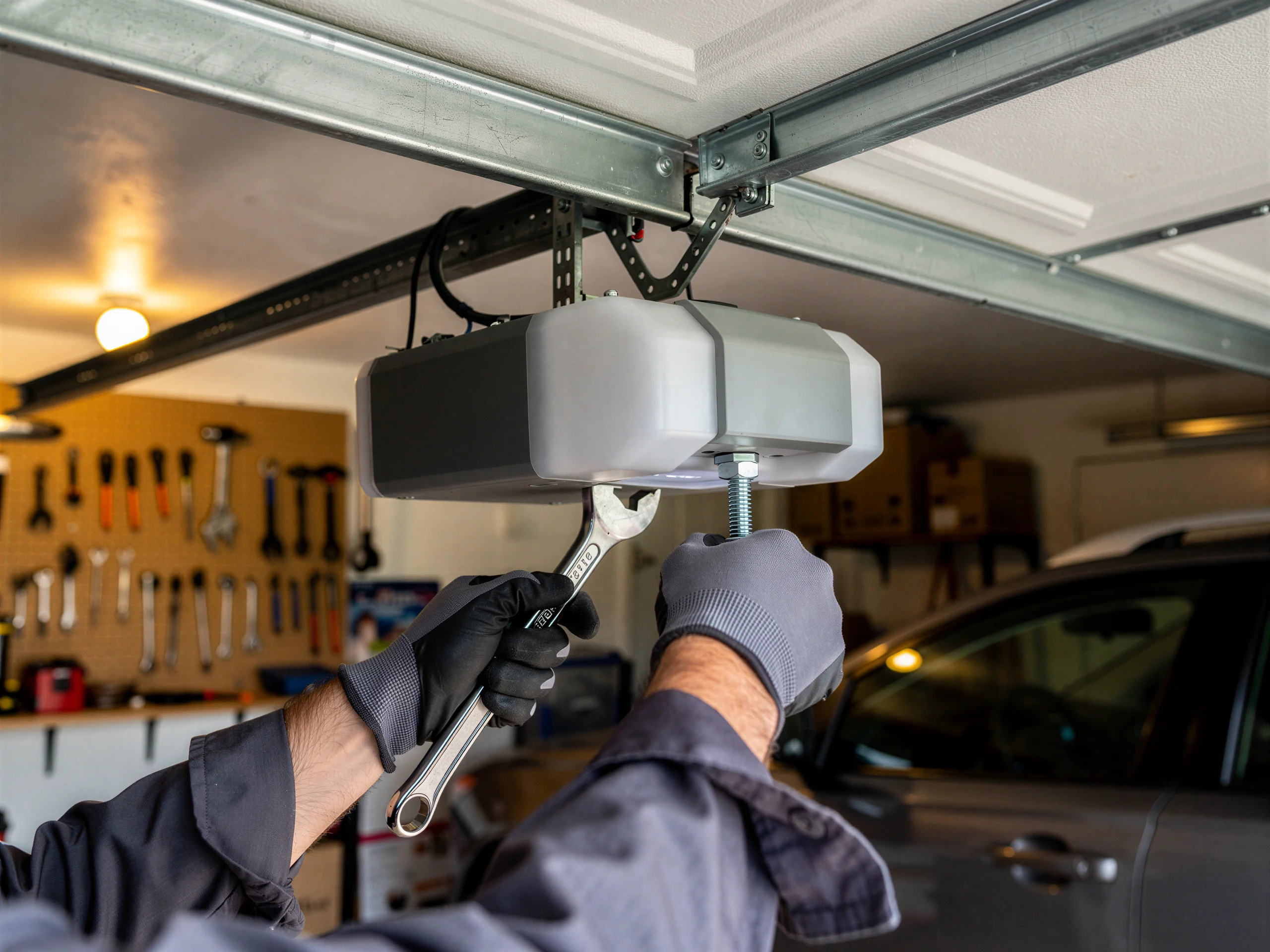
Cables, drums, and bottom brackets are common stock, not special order. Where we run into a gap is heavier commercial-grade openers or oversized custom doors - those take a lead time we won't pretend away.
Tell us about swaps
If your door was upgraded or replaced outside the original build, tell us on the call so we bring the right spring, not the one that matches the house next door.
What the Repair Takes
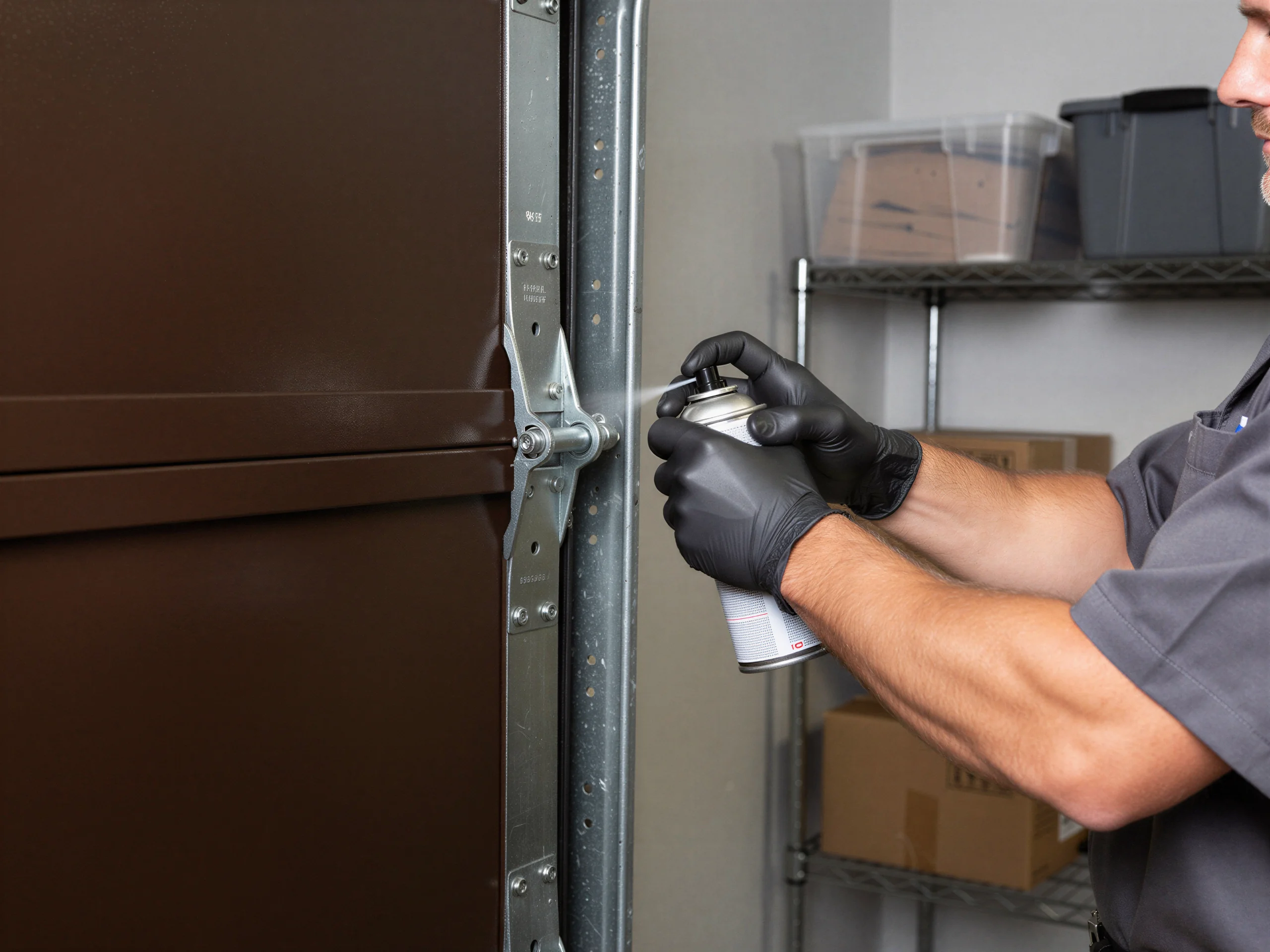
Westchase sits about 14 miles from our shop in Land O' Lakes, and the drive matters less than what's waiting at the house. Most of this area was built around 2001, a solid fifteen years newer than the median house back in Land O' Lakes, which runs closer to 1986. That gap isn't trivia - it's the difference between steel torsion springs rated for a modern double door and the older, lighter hardware you'll find on a lot of Land O' Lakes garages. A repair call here usually means diagnosing a spring, cable, or opener that's maybe 15-20 years old at most, not 35. The failure patterns are different: less rust pitting on tracks, fewer hand-wound extension springs, more factory-installed openers with circuit boards that are starting to age out rather than hardware that's simply worn through. We bring parts stock sized for that era, not for 1980s drums and sheaves.
How It Shows Up
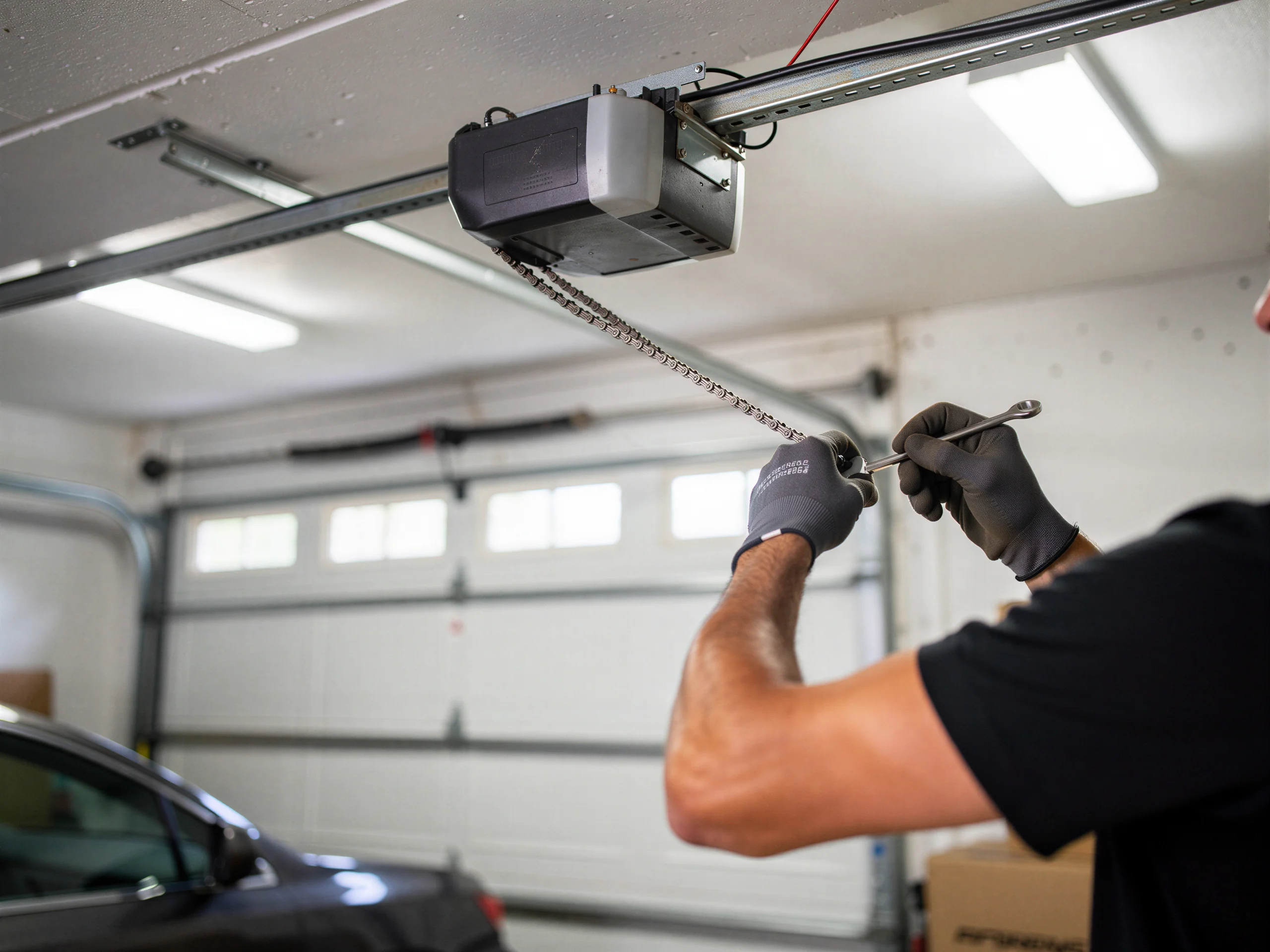
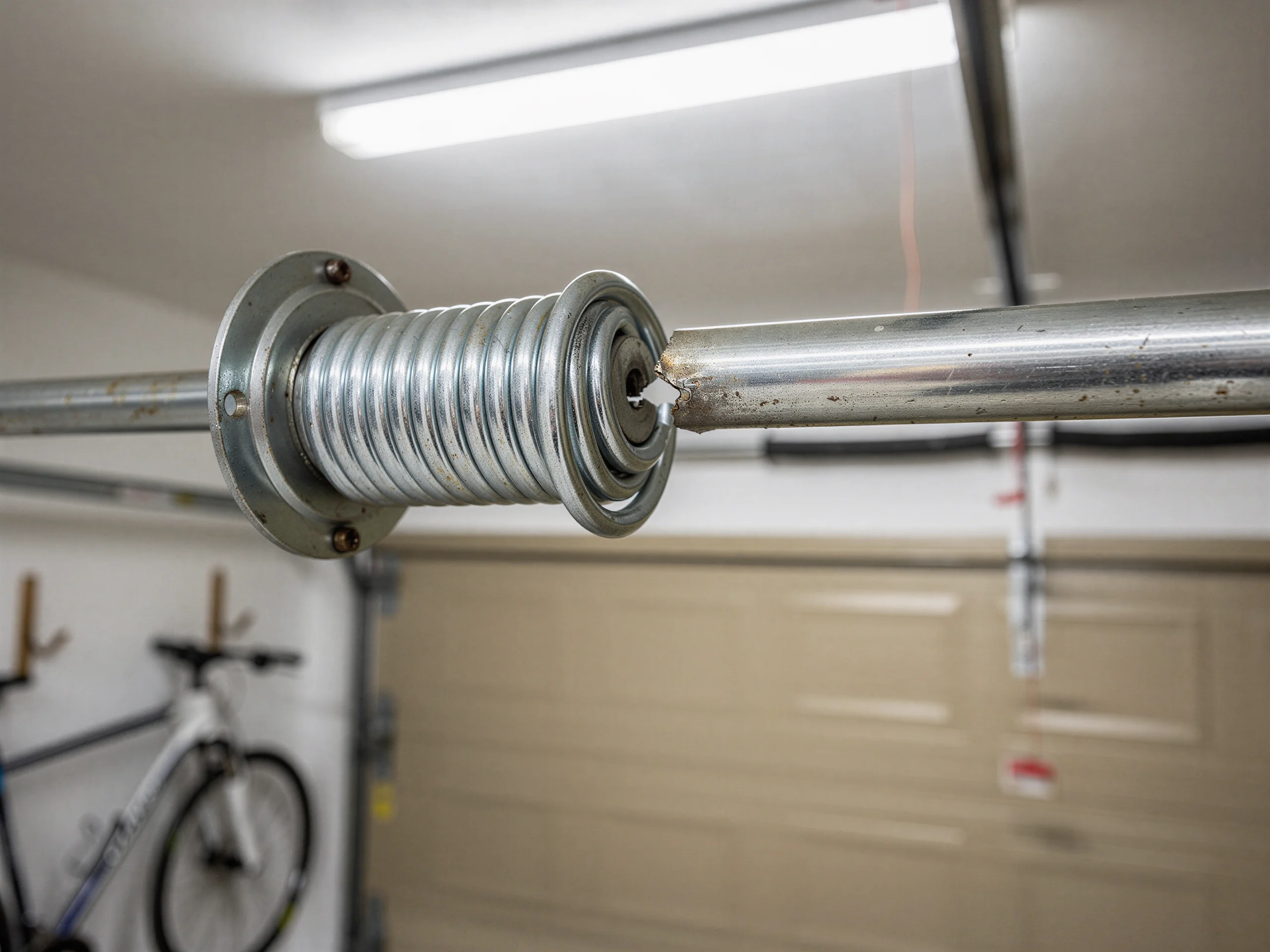
On a 2000s-built door, the first sign of trouble is usually the opener straining or reversing mid-close rather than a spring snapping outright - newer torsion springs in milder climates like this one tend to fatigue gradually instead of failing all at once. You'll hear a grinding note from the opener motor, or notice the door shudders a few inches off the floor before the safety reverse kicks it back up. That's different from the sudden bang-and-drop failure common on much older hardware. Catching the strain early, before the opener gear strips trying to compensate for a weak spring, is the one thing that saves you from a bigger bill down the line.
Talk to a local pro
Garage door service in Land O' Lakes?
Same-day service with honest, upfront quotes.