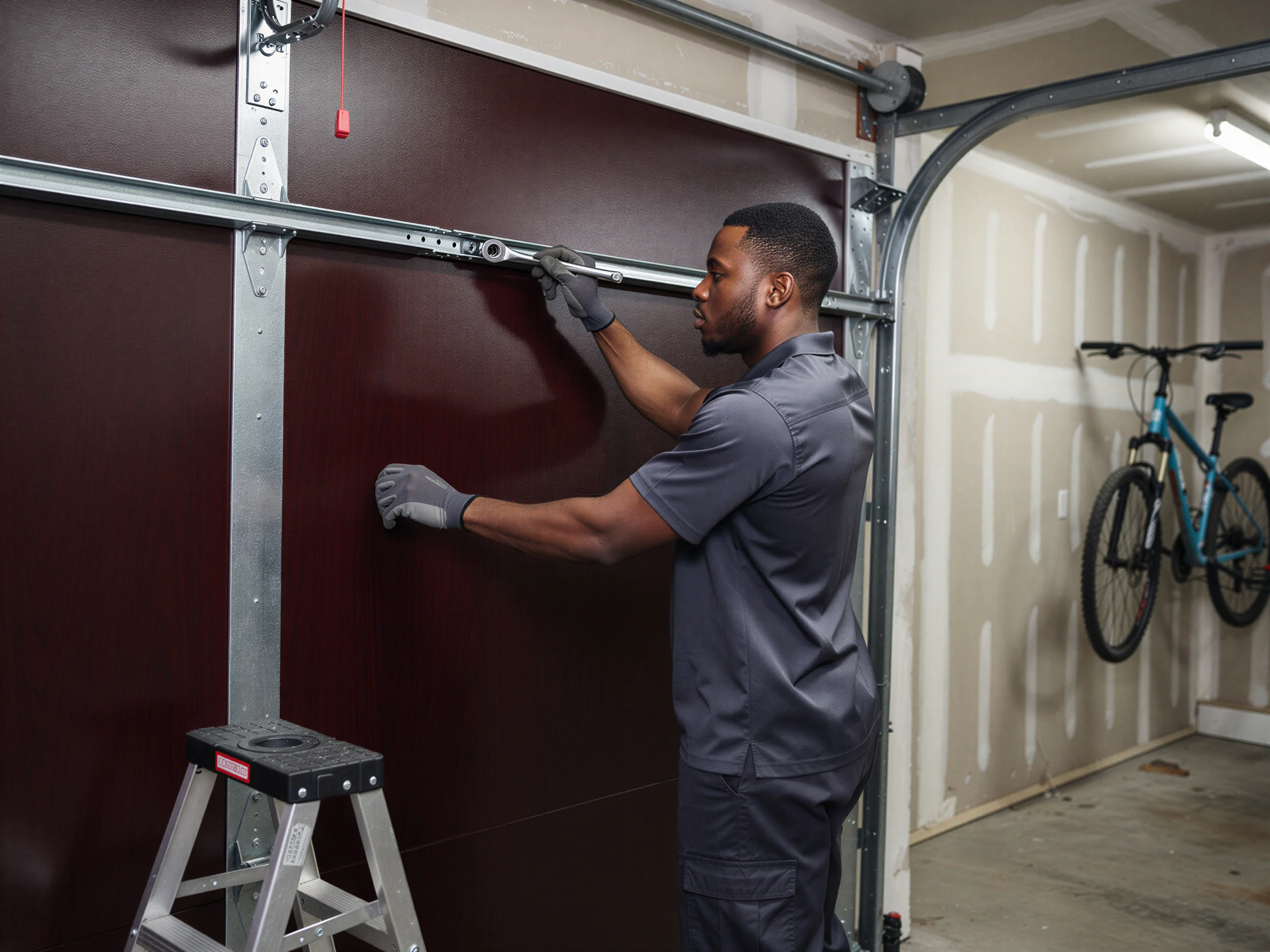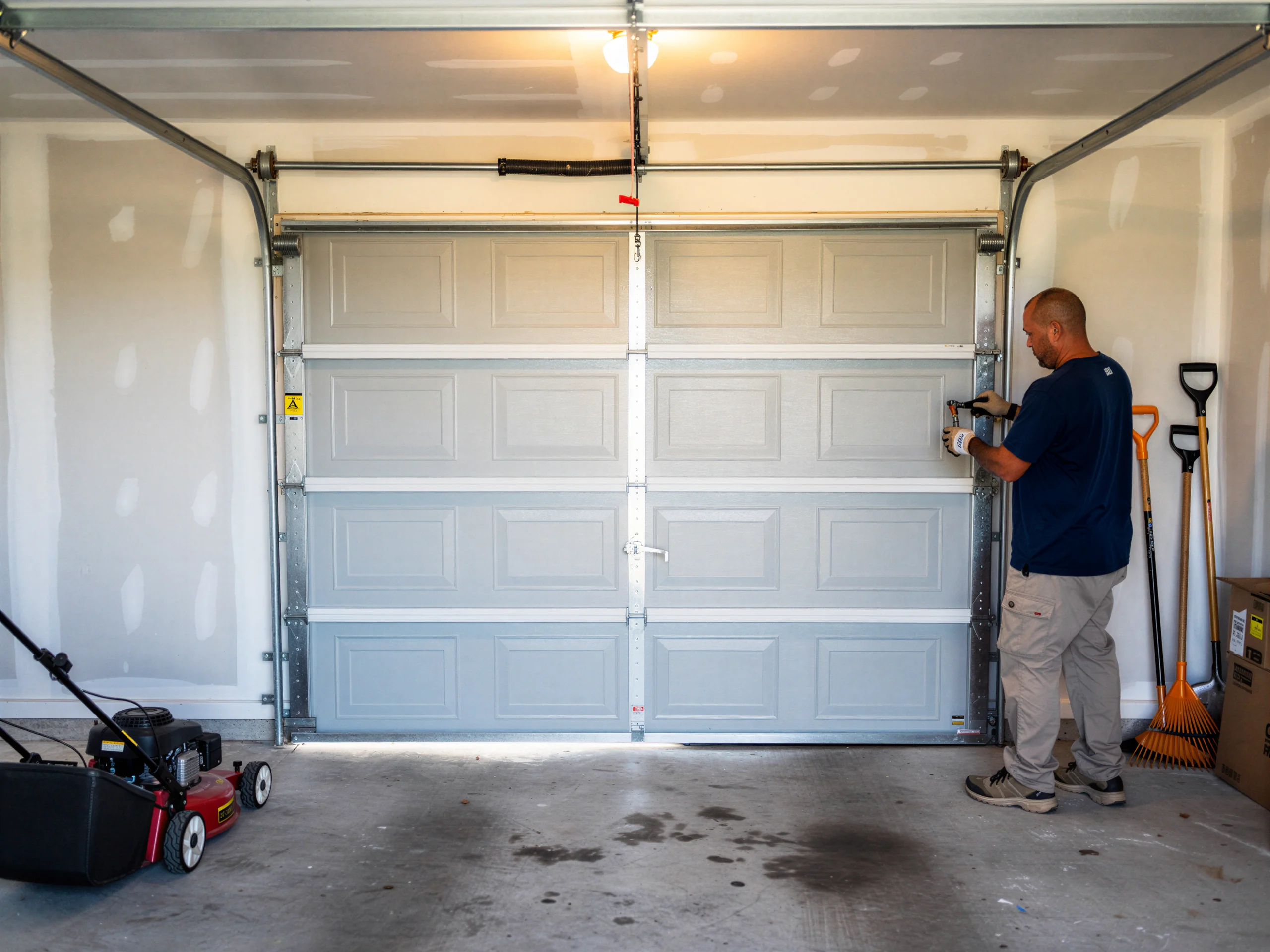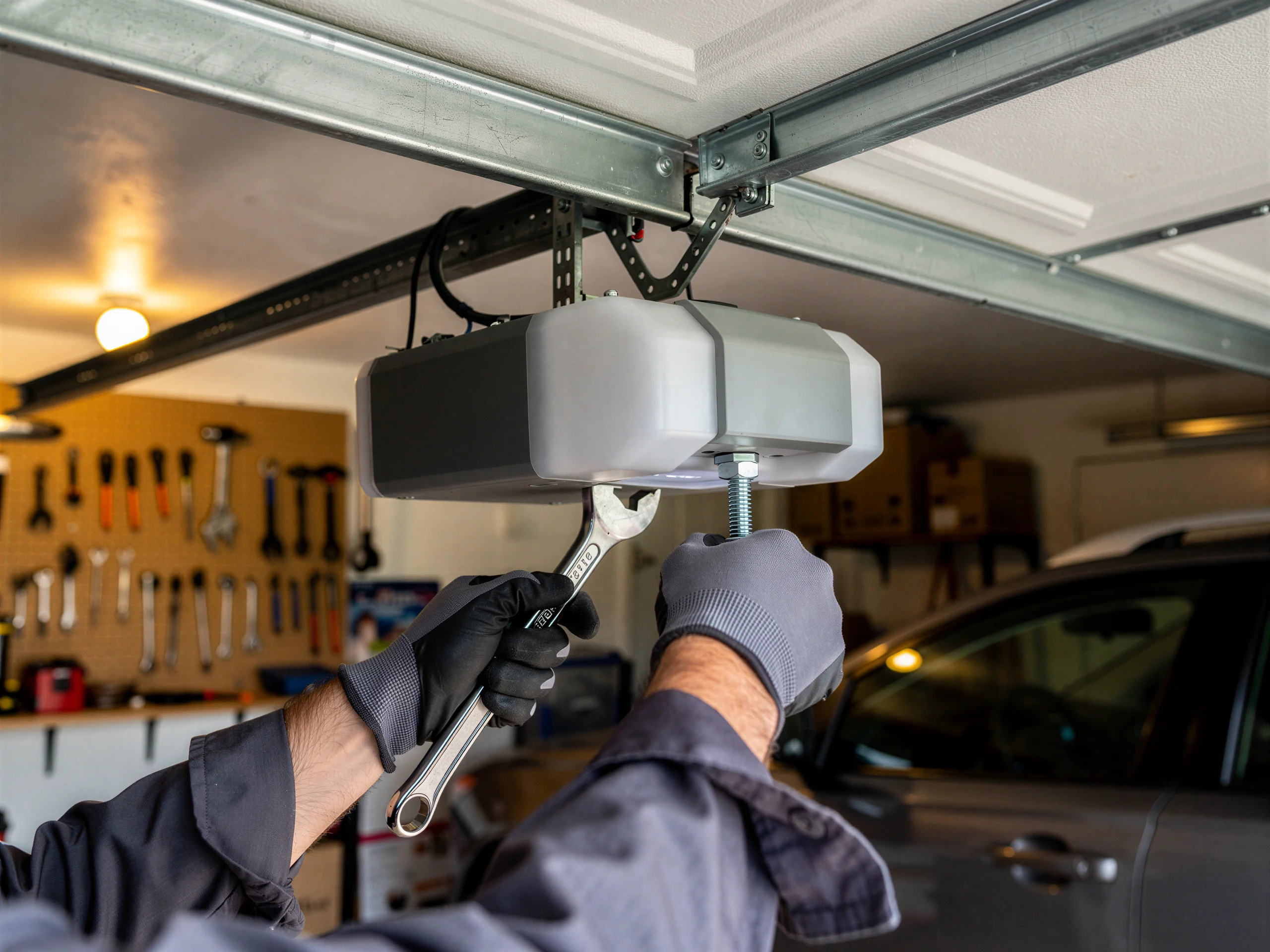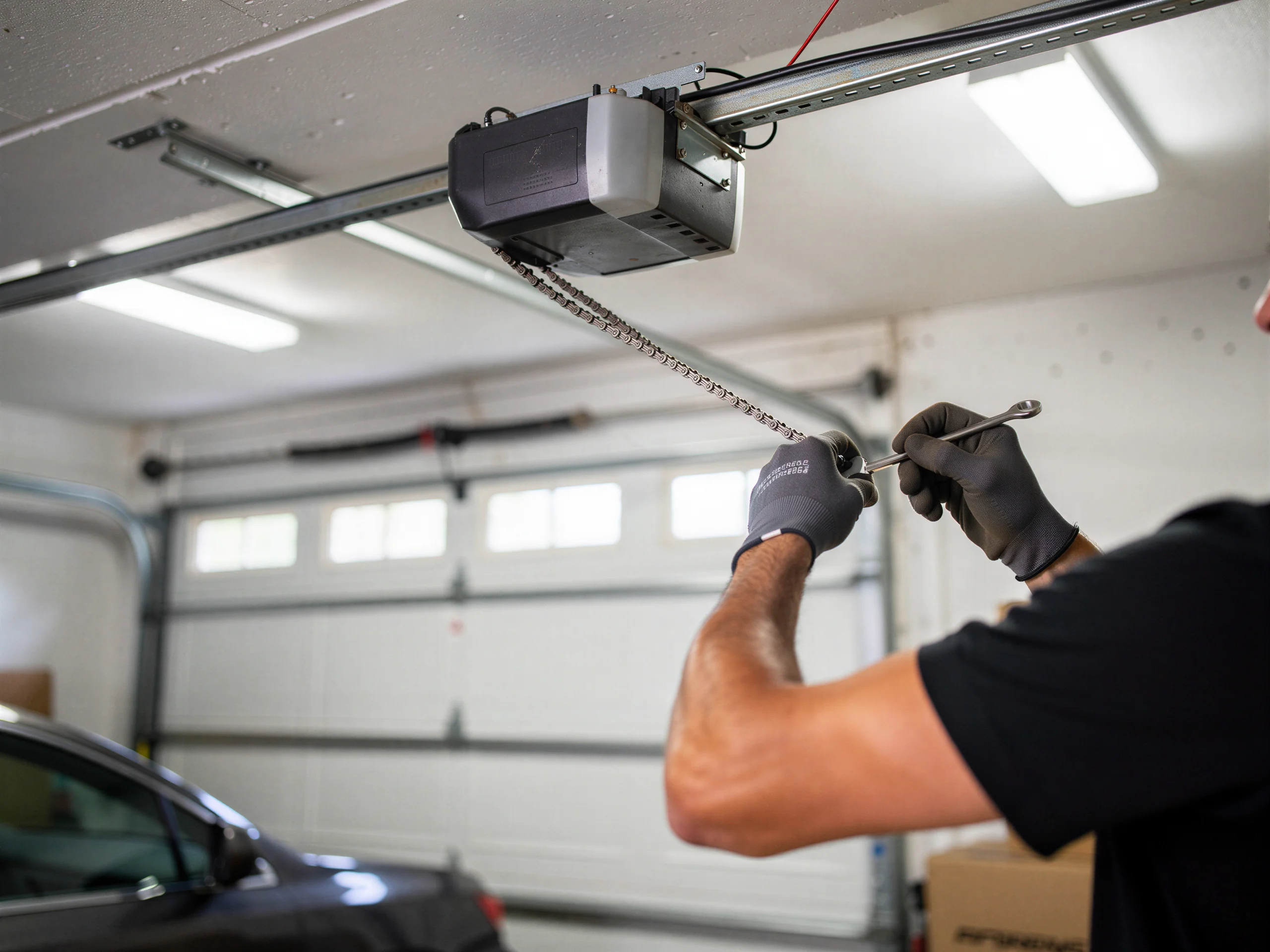
How Long It Takes
An opener board swap or sensor realignment is a one-visit job once we've got the right part in hand.
Same-visit spring work
Torsion spring replacement on a standard double door is also same-visit work, parts allowing. The variable in Westchase specifically is opener part sourcing - because the housing stock here clusters tightly around a 2001-2005 build window, a lot of owners are running the same handful of builder-installed opener models, and when a part is in stock we're usually done in under two hours.
Fourteen-mile scheduling
We travel 14 miles out from Land O' Lakes to reach Westchase, so we schedule the visit rather than drop in same-hour. That's a scheduling fact, not a response-time promise - we don't quote arrival windows here.
Where This Job Goes Sideways
The trouble spot specific to this housing stock is the aftermarket opener installed to replace a dead original. Homeowners here have had two decades to swap a failed 2001-era opener for whatever was on sale, and the mounting bracket or travel limits from the original build don't always match the replacement cleanly. We've opened plenty of garages where the opener is new but the safety sensors are still the originals, miswired into a unit they were never built for.
The other place it goes sideways is assuming a dead opener means a dead door. With median household income in this area running around $120,070 - notably higher than the roughly $62,617 median across the broader service area - we see more owners jump straight to full replacement when a $200 board repair would have solved it. We'll tell you which one you actually need before we open the truck.
Can You Do This Yourself
A sagging belt tension or a sensor that needs realigning is a fair DIY job, and plenty of Westchase owners handle that themselves.
Proprietary opener connectors
Swapping a logic board on an opener that's 15-20 years old is a different matter - the wiring harness connectors on that generation of opener are often proprietary, and forcing a universal board onto them can fry the new part on first power-up.
Spring never DIY
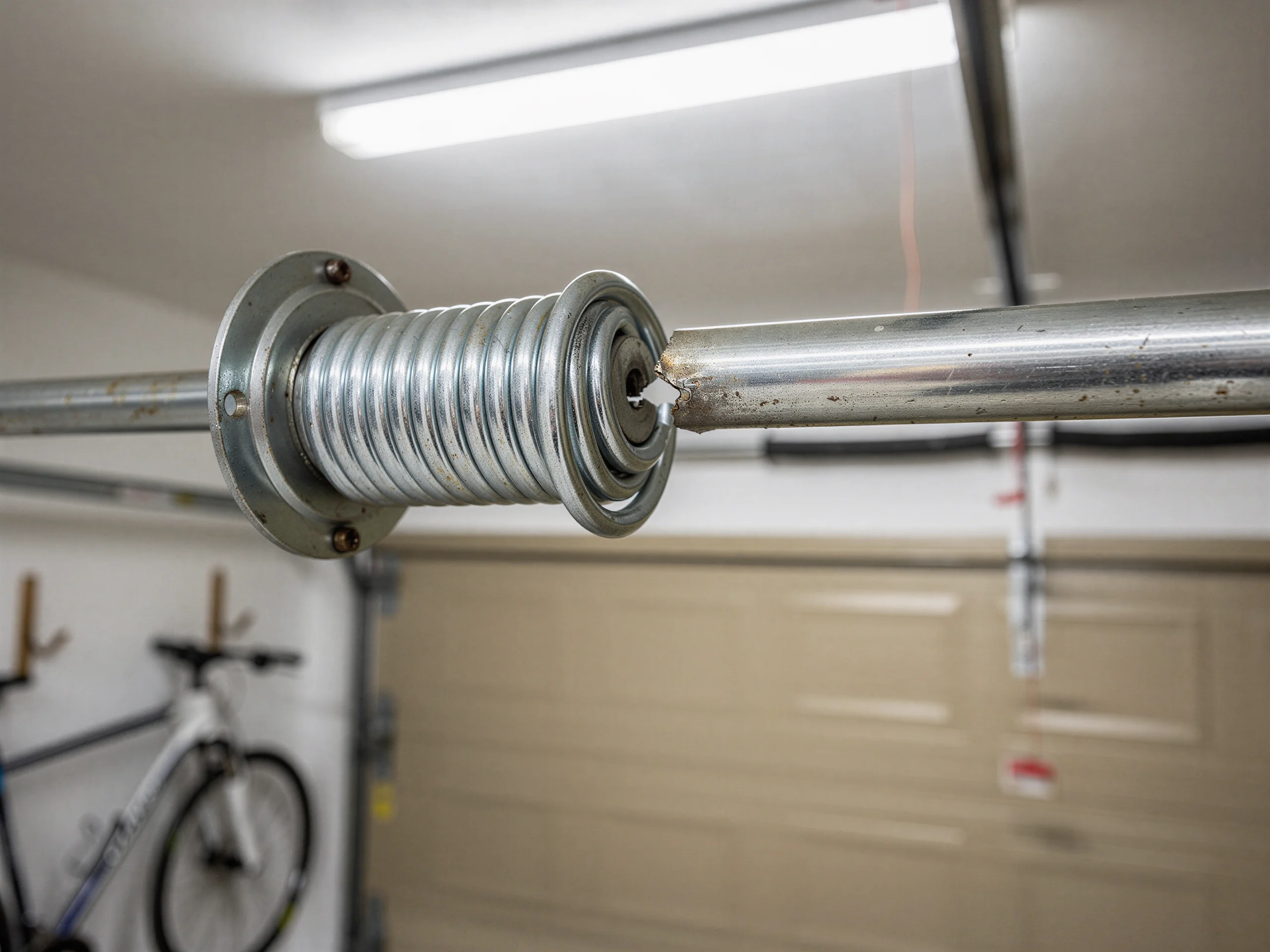
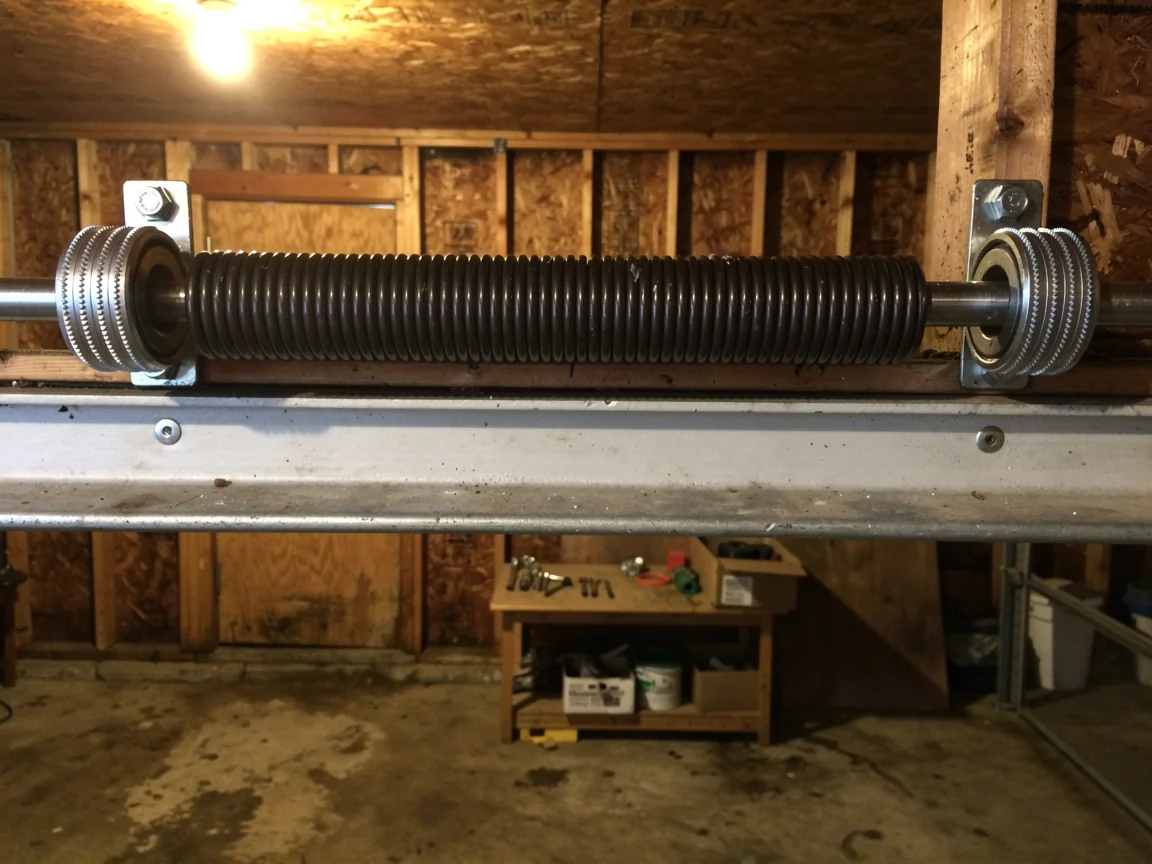
Torsion spring work is not a DIY job at any age of house, full stop. The spring on a standard double door in this size class stores enough force to break a hand or worse. If you're comfortable with a multimeter and a screwdriver, diagnosing an opener fault yourself is reasonable. Touching the spring is not.
Parts We Carry
Because the opener age skews consistent across Westchase, we stock the drive gears, circuit boards, and sensor kits that match chain and belt-drive units sold through that build window. Torsion springs for standard two-car doors in this weight class are a same-visit part. What we don't carry on the truck are obsolete extension-spring kits or the older low-headroom torsion drums you'd find in pre-1990 construction - those jobs are rare out here and we order the part rather than guess at a stock size.
Rollers and cables wear the same regardless of neighborhood age, so those stay stocked regardless. The one limitation worth saying plainly: if your opener is a discontinued model from a builder's house-brand line, the control board can take a few days to source. We'll tell you that on the first visit, not after we've already pulled the old one.
What the Repair Takes
Most of the calls we get from Westchase are not the same calls we get from the older parts of our service area. Houses here went up mostly after 2000, with a median build year around 2001 - newer than the 1986 median across the rest of the territory we cover.
Factory torsion with newer openers
That means fewer old extension-spring setups held together with bent hangers, and a lot more factory torsion systems paired with openers that were state-of-the-art for a 2001-2003 build but are now pushing two decades old.
Logic board and capacitor faults
The fault we see most in this pocket is the opener logic board or capacitor giving out - not the mechanical spring failure that dominates in older housing stock.
Sound steel panels
The door itself is usually sound; sectional steel panels from that era hold up fine in this climate band, which stays mild temperate year-round with no hard freeze cycles to crack seals or warp track. What fails first is almost always electronic or the plastic idler bearings that were standard on builder-grade openers through the early 2000s.
How It Shows Up
It usually starts small: the opener light blinks but the door doesn't move, or it reverses halfway up for no clear reason. In a house built in the early 2000s, that's almost always the board or the sensor pair, not the spring - the spring is doing fine for a door this age in a climate this mild. A grinding or popping sound on the way up points somewhere else, usually a roller going bad in its track, which is wear-and-tear unrelated to the age of the opener.
If the door won't budge at all and the opener motor hums without moving anything, that's a broken spring regardless of house age, and it's not safe to force open by hand. Across the roughly 9,783 households in Westchase, the opener-related call is still the one we get called out for most.
Talk to a local pro
Garage door service in Land O' Lakes?
Same-day service with honest, upfront quotes.