How Long It Takes
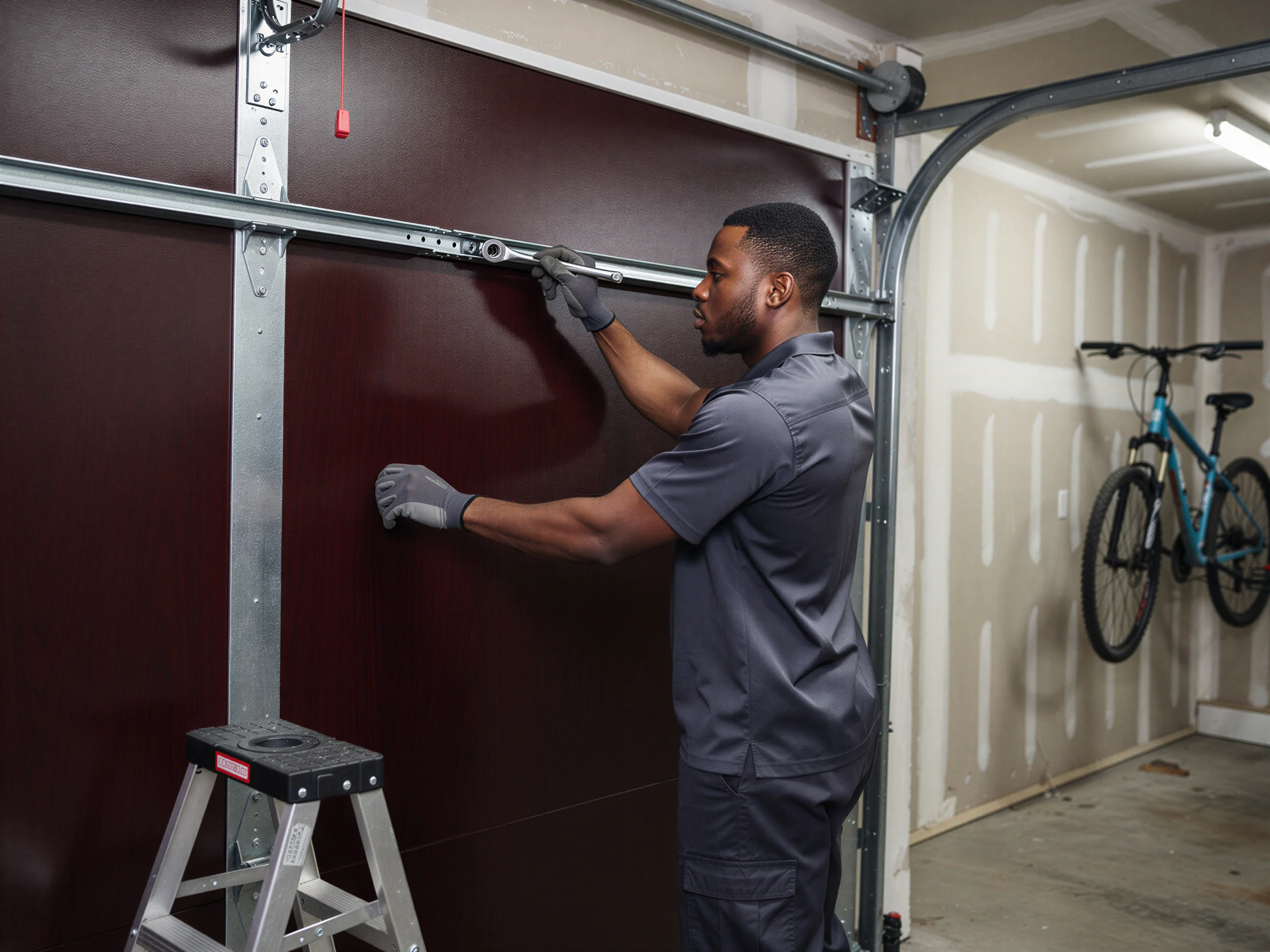
A standard maintenance visit on one of these doors - lubrication, balance check, hardware inspection, safety sensor test - runs the length of a normal service call once the truck is on site. The variable in Westchase isn't the work itself, it's the 14-mile drive out from Land O' Lakes, which is part of why we schedule maintenance visits in blocks rather than one-offs when we can. If the inspection turns up a worn part that needs replacing, that can extend the visit or require a follow-up if it's something we don't have on the truck. We don't carry every opener gear kit or every spring size for every door built in the last twenty years, so an uncommon part can mean a short wait. For most homes in this neighborhood, though, the hardware is common enough that we're working with what's already stocked.
Where This Job Goes Sideways
The most common way a routine Westchase maintenance visit turns into something bigger is a door that's been running on a slightly miscalibrated opener for months - the kind of drift that doesn't throw an error, it just makes the opener work harder than it should.
Strain on drive gear
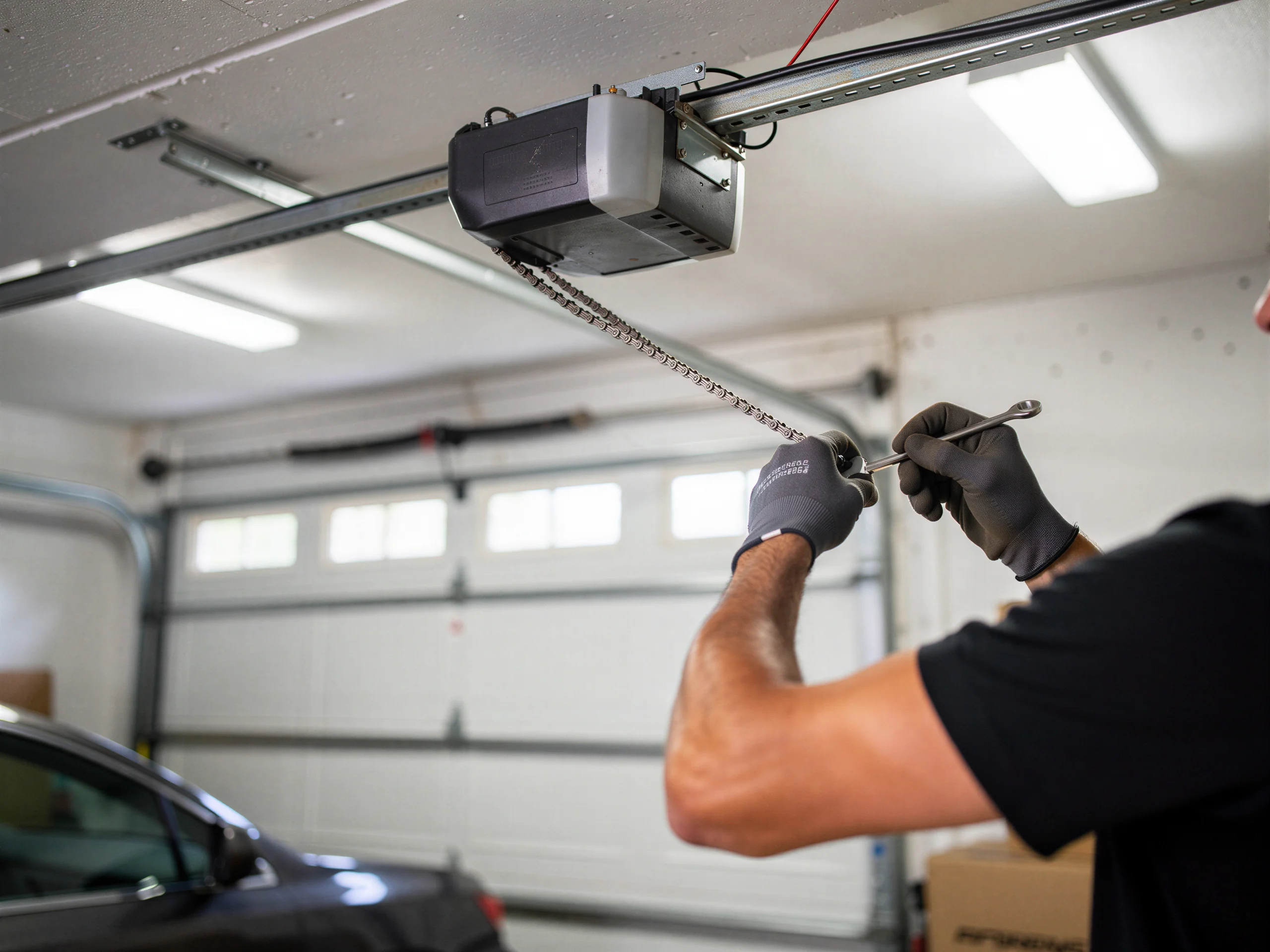
On a heavier double-car door, that extra strain shows up in the opener's drive gear and the spring's wear rate faster than it would on a lighter single door.
Uneven DIY adjustments
We also see doors where a homeowner has already tried a DIY spring adjustment and gotten it close but not right, which puts uneven load on one side of the track. Neither of these is dramatic on its own, but both shorten the life of parts that would otherwise last years longer.
Replacement over more tune-ups
Honestly, if a door is past the point where tune-up adjustments fix the balance - if the springs are sagging or the cable is fraying - replacement is the better call than another round of maintenance. We'll say that when we see it instead of patching something that won't hold.
Can You Do This Yourself
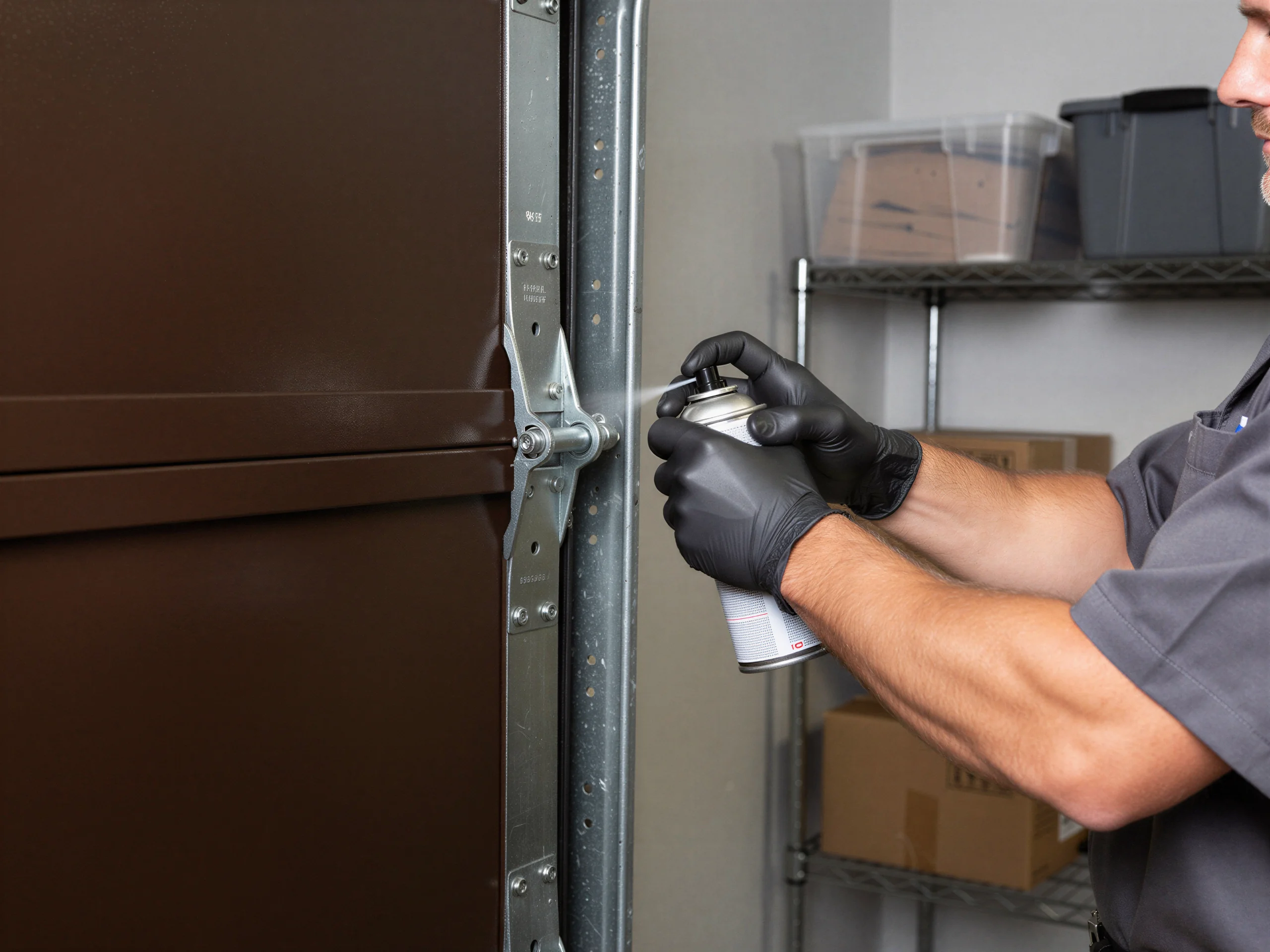
Some of this is reasonable for a homeowner to handle - wiping down track, spraying a light lubricant on rollers and hinges, checking that the photo-eye sensors aren't knocked out of alignment.
Spring stays off-limits
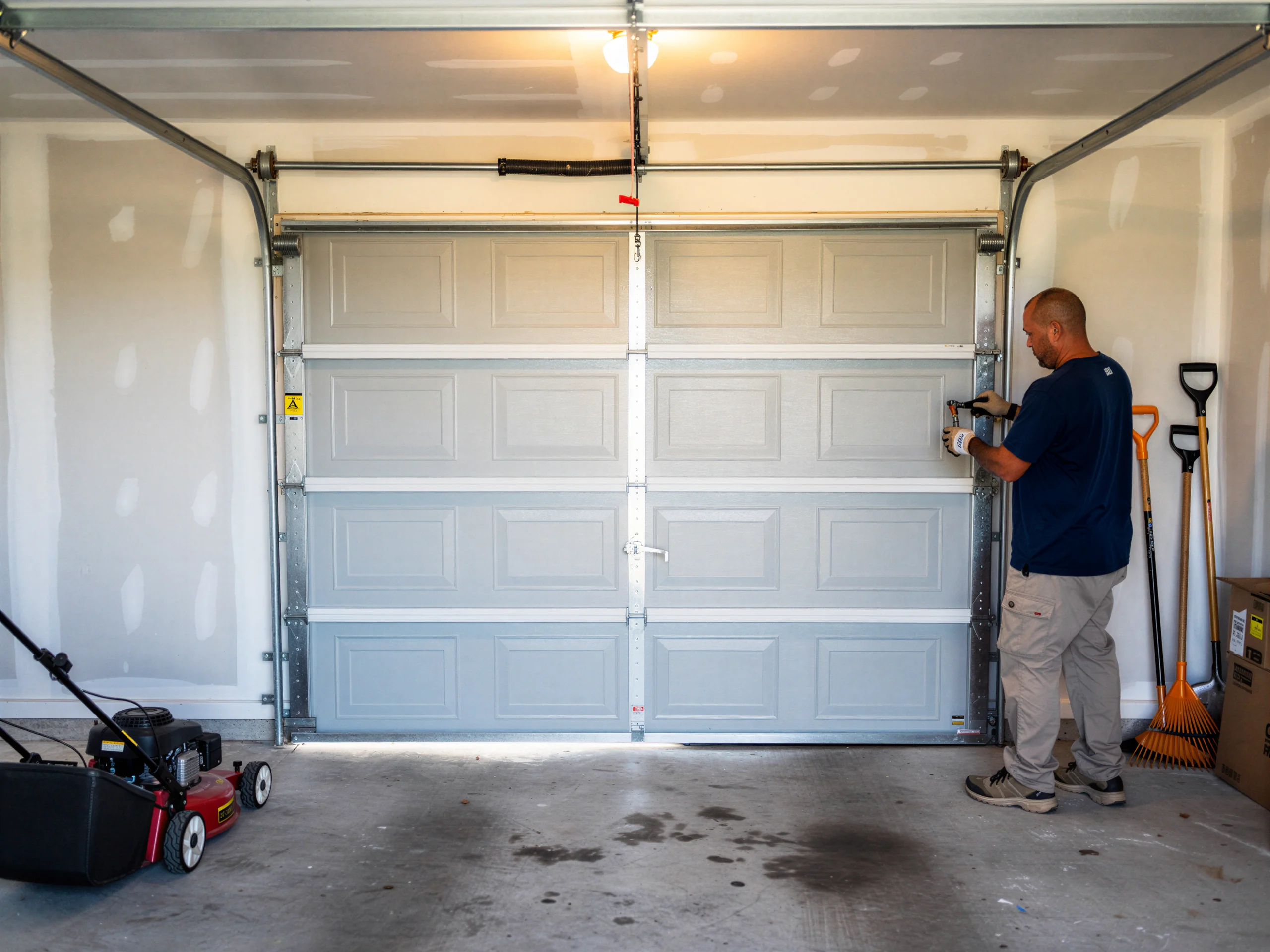
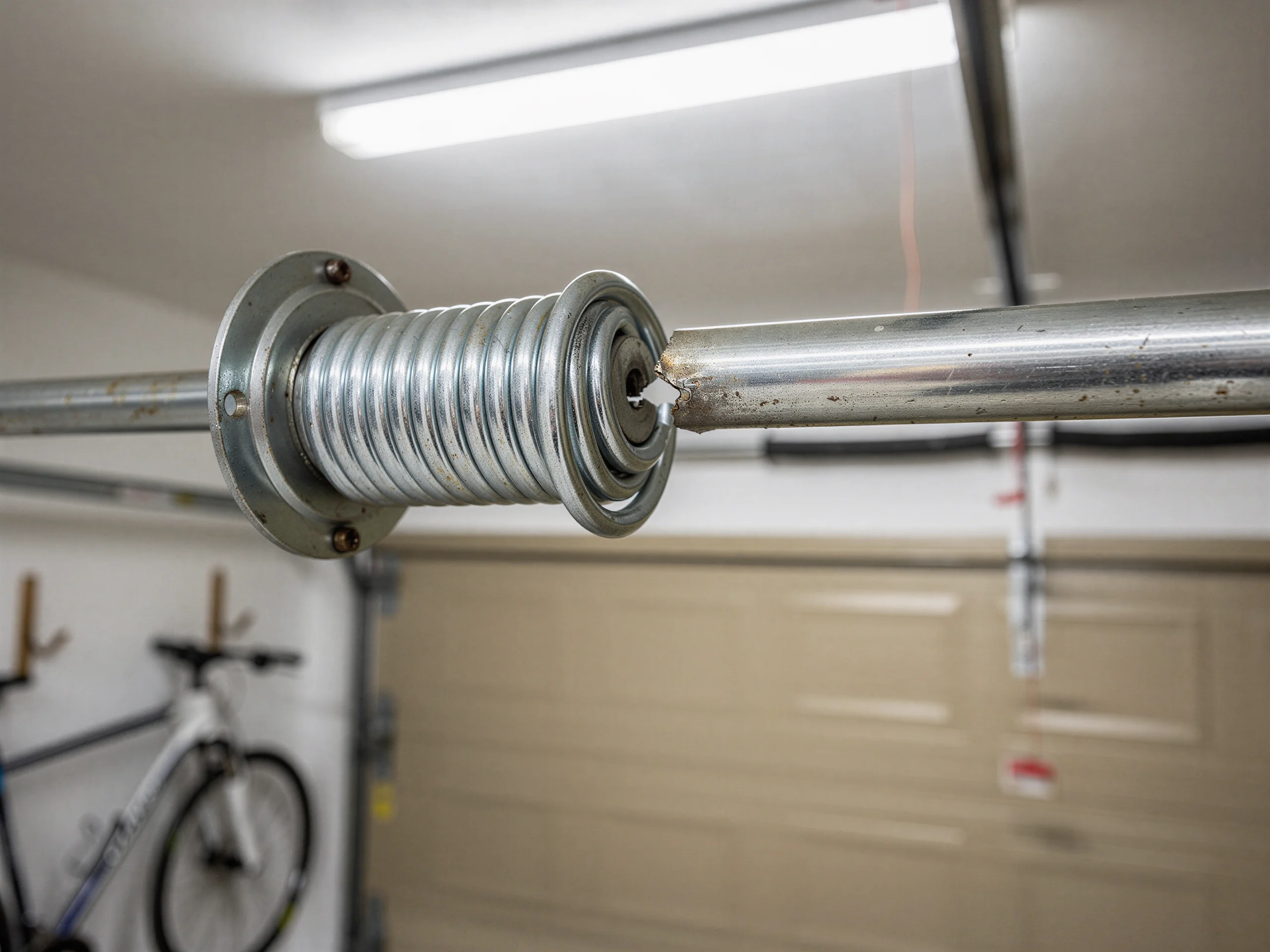
What you shouldn't touch is the torsion spring itself. On a double-car door built to the specs common in Westchase, that spring is wound under enough force to cause a serious injury if it lets go while you're adjusting it, and there's no good way to eyeball the correct tension without the right bars and training.
Weight means more care
If your door is heavier or newer than you expect given the neighborhood's build era, that's actually a reason to be more careful, not less - more weight on the springs means more stored force.
Rag and spray-lube tasks
A fair rule: anything you can do with a rag, a vacuum, and a can of spray lubricant is fine. Anything involving the spring, the cable, or the opener's internal gearing is where we'd rather get the call before it becomes a repair instead of a maintenance visit.
Parts We Carry
Because the housing stock in Westchase runs newer, the parts that fail are mostly still in production - torsion springs sized for double-car doors, standard roller brackets, and photo-eye sensors that match openers made in the last two decades.
Less hunting for parts
We're not hunting down obsolete one-piece door hardware or side-mounted torsion units the way we sometimes do on 1970s and 80s stock elsewhere in the service area. That's a plus for turnaround on this job, though we'll say plainly: we stock what's common, and if a homeowner has a less common opener brand or a custom insulated door, we may need to order a part before finishing the visit.
Standard maintenance checklist
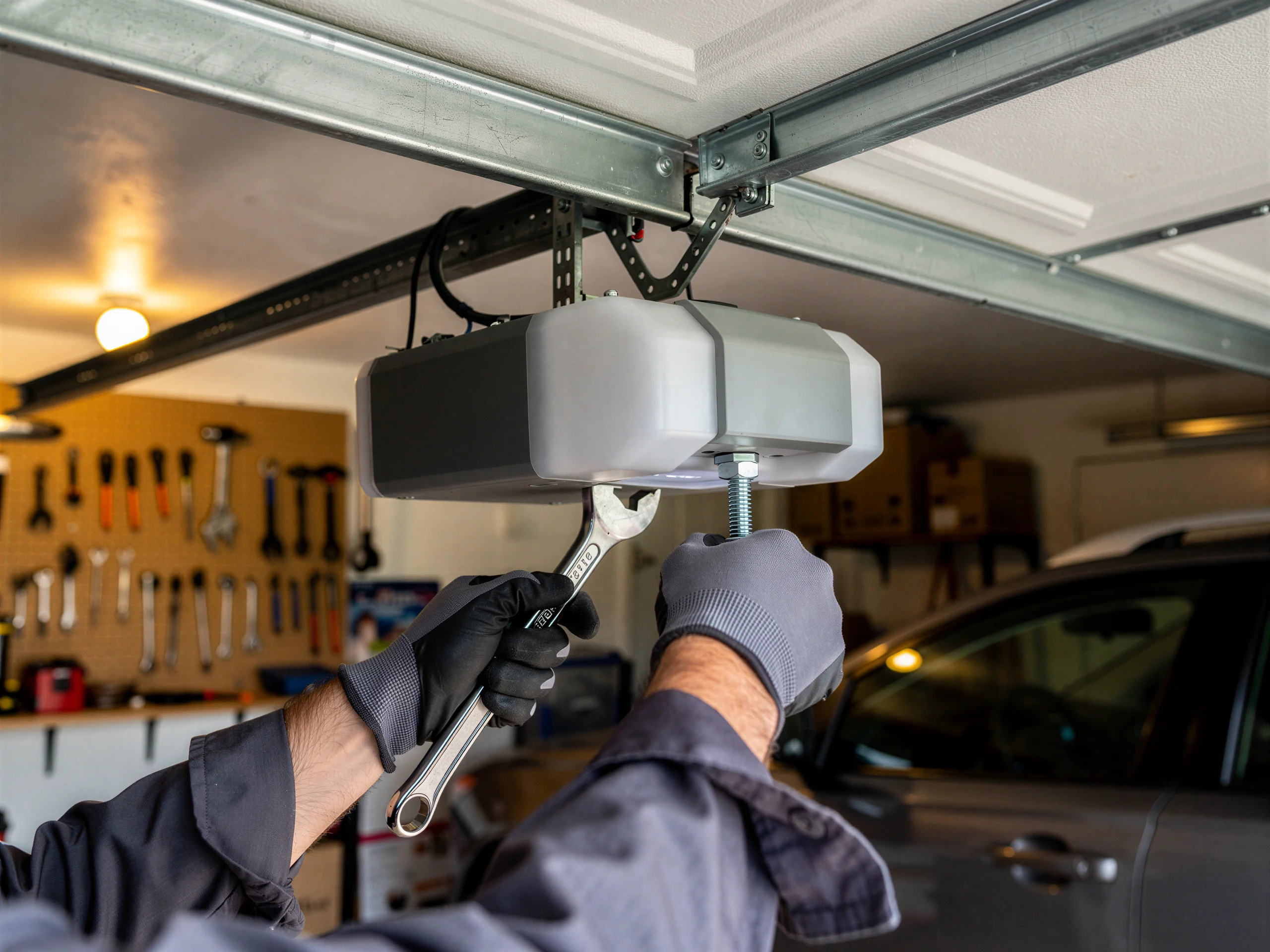
A maintenance call still means lubricating hinges and rollers, tightening loose lag bolts on the header, checking cable wear, and testing the auto-reverse safety feature - the same core list regardless of door age.
Adjust more than replace
The difference in Westchase is that the hardware underneath is younger, so we're less often replacing a part outright during a routine visit and more often adjusting or lubricating what's already there.
What the Repair Takes
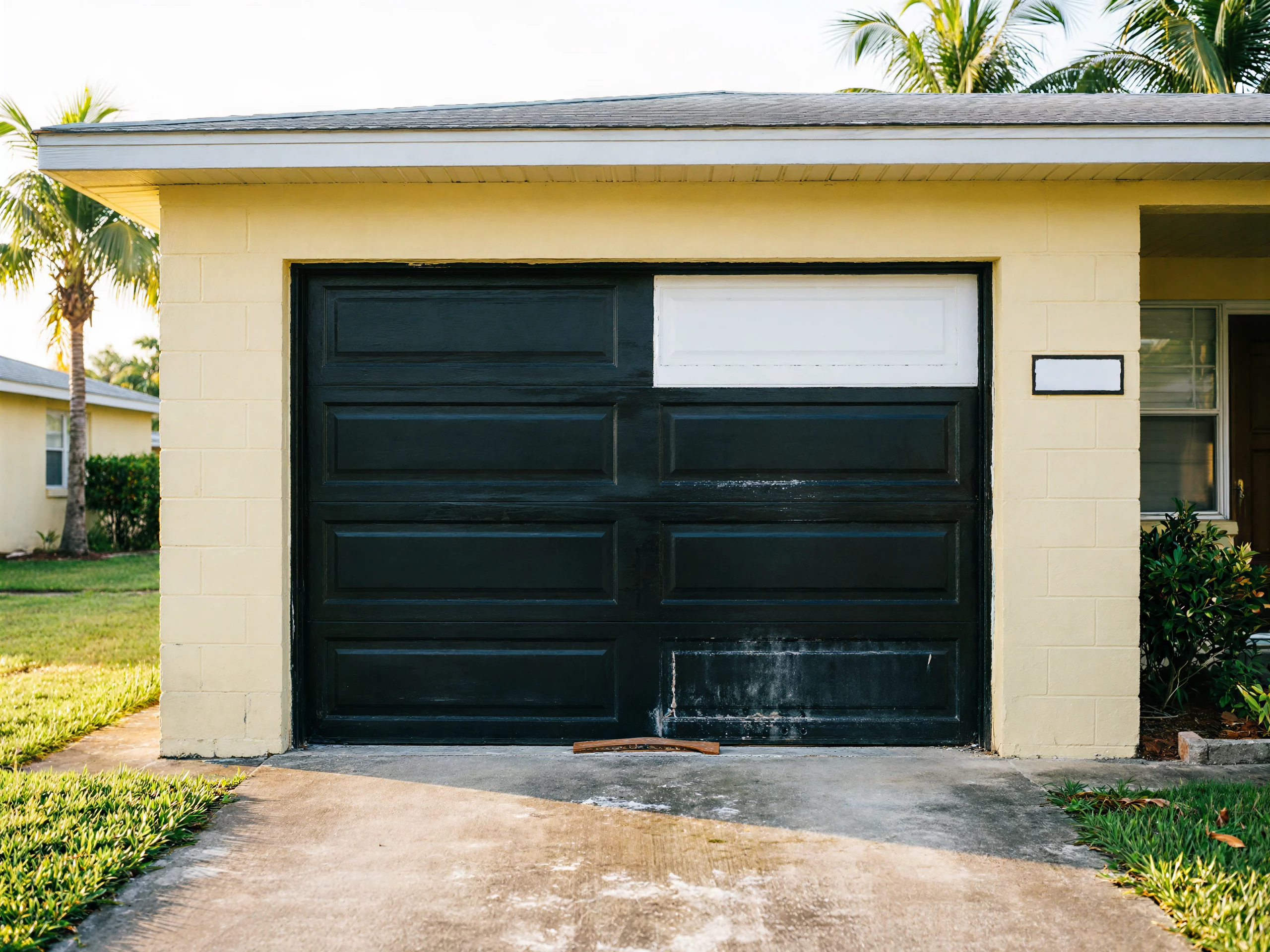
Walk into a Westchase garage and you're mostly looking at a door built after 2001 - newer than the 1986 median that covers the rest of this service area.
Wide double-car spring loads
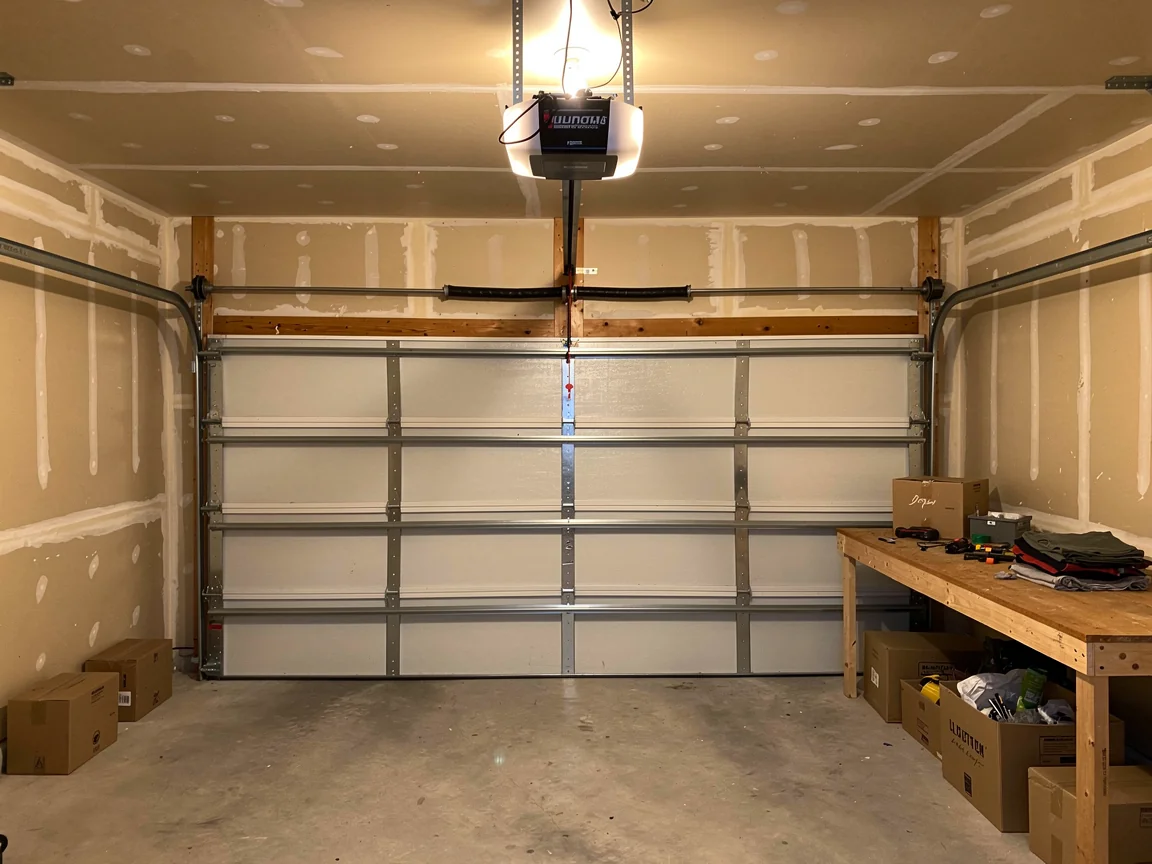
That matters because builders in this stretch leaned toward wider double-car openings, which means heavier steel sections and torsion springs wound to carry more weight than the single-door setups common in older neighborhoods. A tune-up here means checking spring tension against a heavier door, not a lighter one.
Factory hardware holding up
We're also looking at factory hardware that's held up fairly well - galvanized track, steel rollers, openers that are usually original or one replacement in. The mild temperate climate this area sits in doesn't put the stress on rubber seals and metal fasteners that a harsher climate would, so the failures we find tend to come from use and time, not weather damage.
Baseline before scaled checks
That's the baseline: newer doors, heavier panels, hardware that's still largely factory, and a climate that's been gentle on it. Everything else in a maintenance visit - lubrication, balance check, bolt torque, sensor alignment - gets scaled to that starting point, not to a generic checklist written for an older or colder house.
How It Shows Up
In a neighborhood built out mostly after 2001, the first sign of a maintenance issue is usually noise - a grinding or popping sound from the spring area on a door that used to run quiet, or an opener that strains audibly lifting a double-car door it used to handle without effort. Because the median household income in this area runs well above the broader service area's $62,617 figure, we also see more homeowners catching this early and scheduling a check before it becomes a repair call, rather than waiting for the door to fail. That's a good habit for a door this size - a heavier double panel under uneven spring tension doesn't fail gently, it tends to drop or jam. Watch for a door that reverses direction unevenly, a remote that needs multiple presses, or a track that looks slightly bowed at the roller points. None of those are emergencies by themselves, but on a door built to Westchase's heavier spec, they're worth a call before the next one.
Talk to a local pro
Garage door service in Land O' Lakes?
Same-day service with honest, upfront quotes.