How Long It Takes
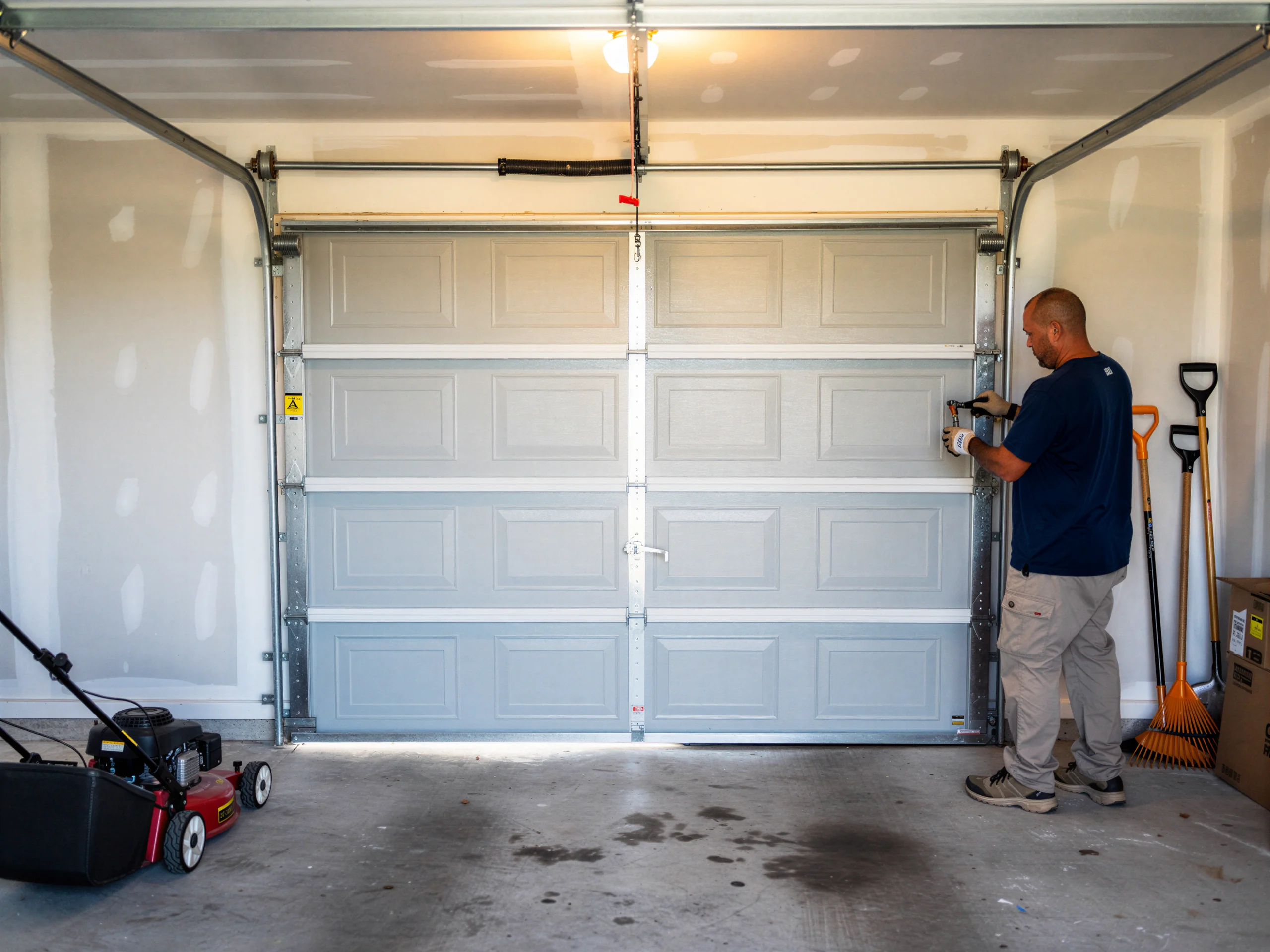
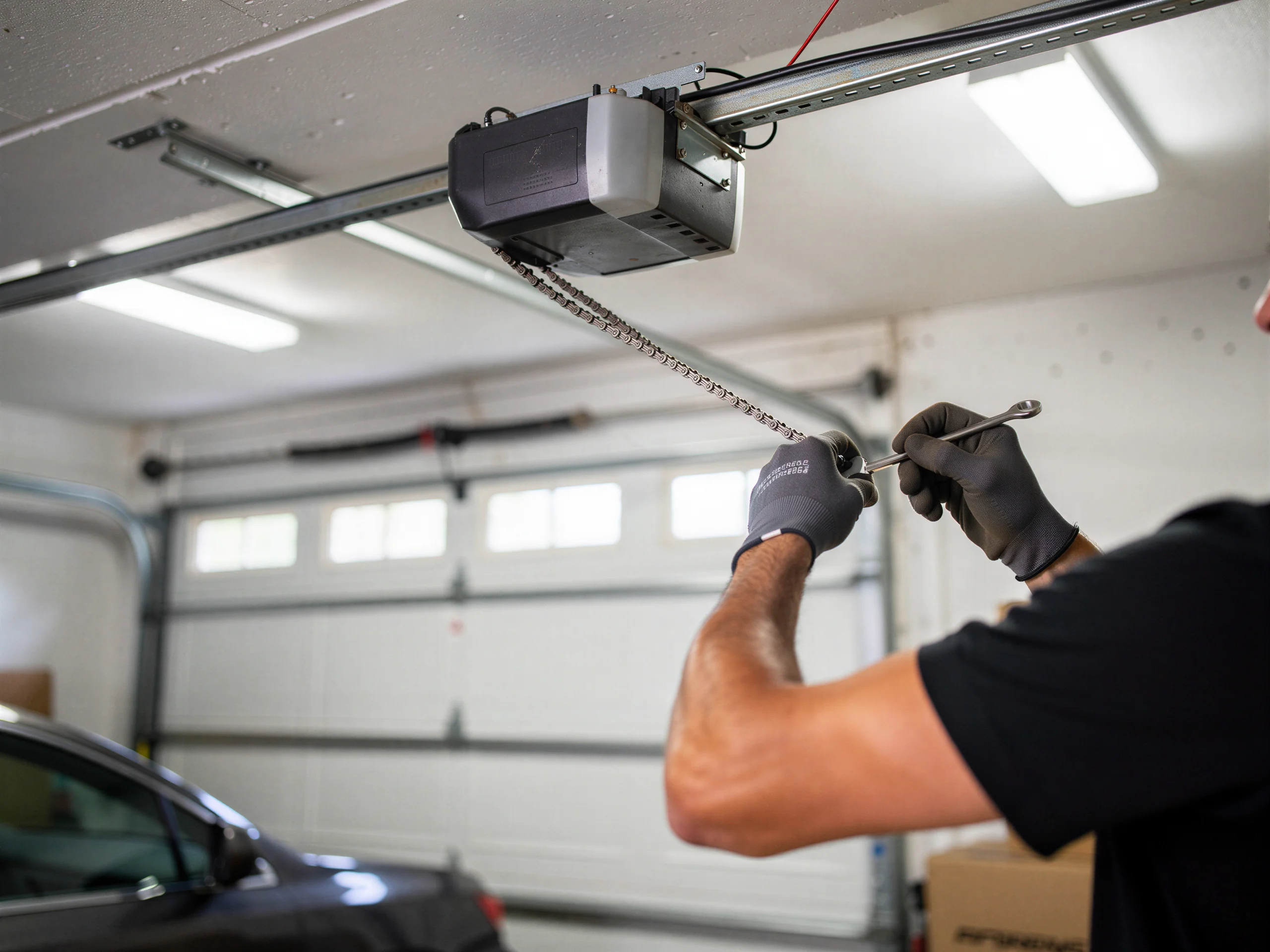
A straight spring swap on a standard double door, once we're on site, is a same-visit repair - we don't carry it off and bring it back later.
Hidden problems found once open
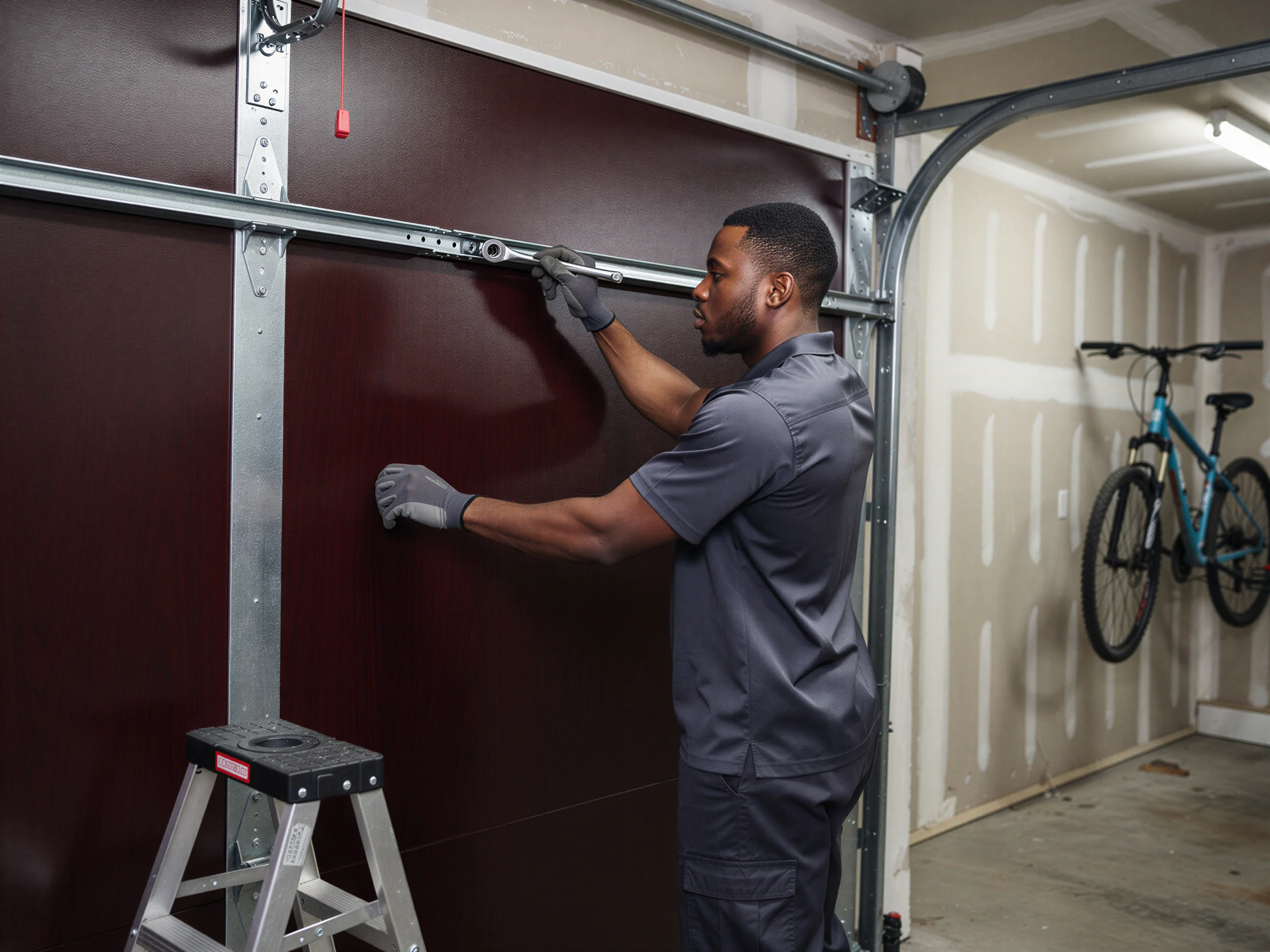
What adds time is the stuff we find once the door's open: a worn cable, a bent track, rollers that should've been replaced two years ago.
Long route, no window
We travel to Westchase from Land O' Lakes, about 14 miles out, so we build the drive into scheduling rather than promising a window we can't hold from that distance.
Where This Job Goes Sideways
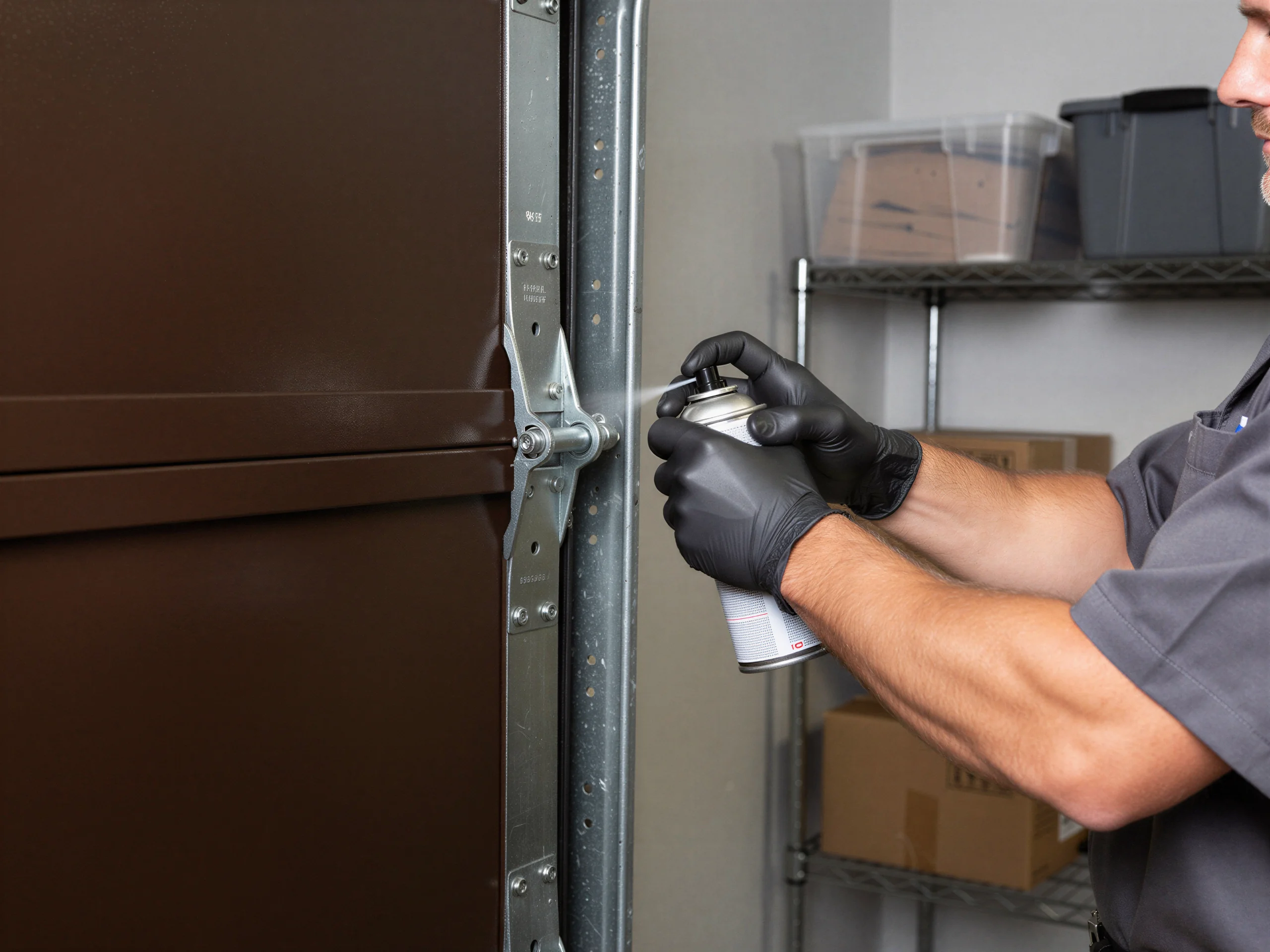
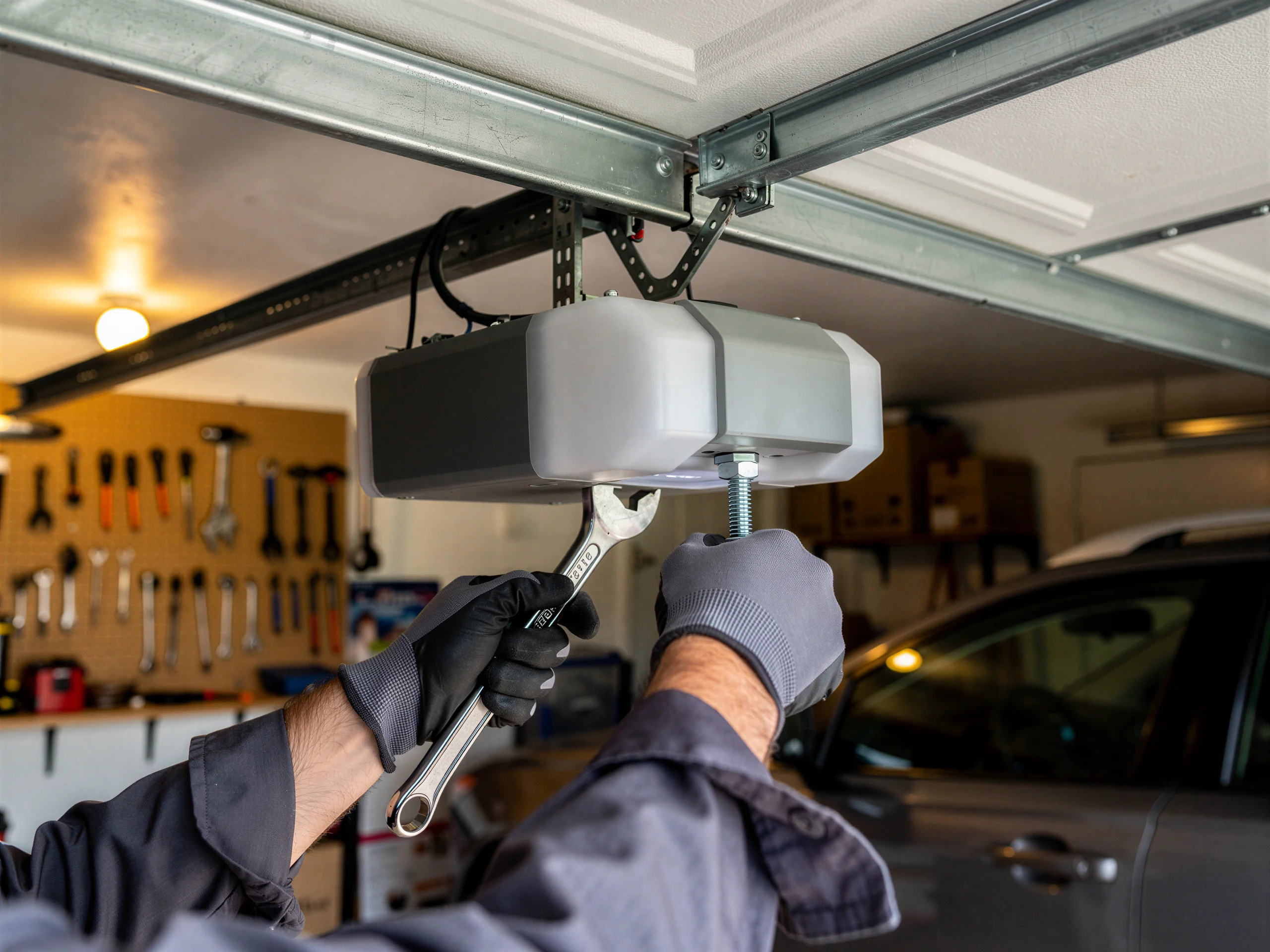
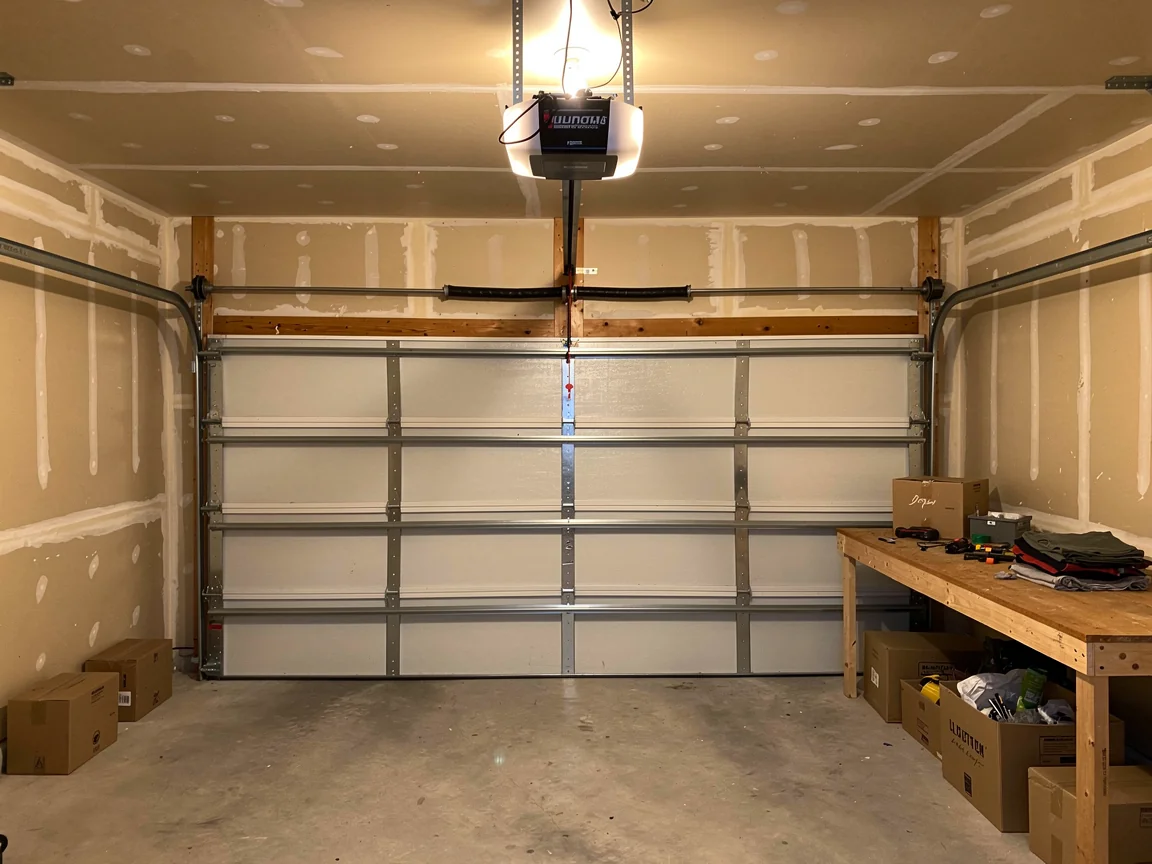
The spring rarely fails alone. On doors from the early 2000s, 20-plus years of cycles means the cables, rollers, and sometimes the drums are at the end of their own life right alongside the spring. Replace the spring and leave a fraying cable in place, and you've got a callback in a month, not a fixed door. We check all of it before we quote, because a $120,070 median income doesn't make anyone want to pay for the same repair twice. The other place this goes sideways: opener strain. A dead spring means the opener has been lifting the full weight of the door on its own, sometimes for days before anyone calls. We check the opener's gear and motor condition as part of the job, not as an upsell afterward.
Can You Do This Yourself
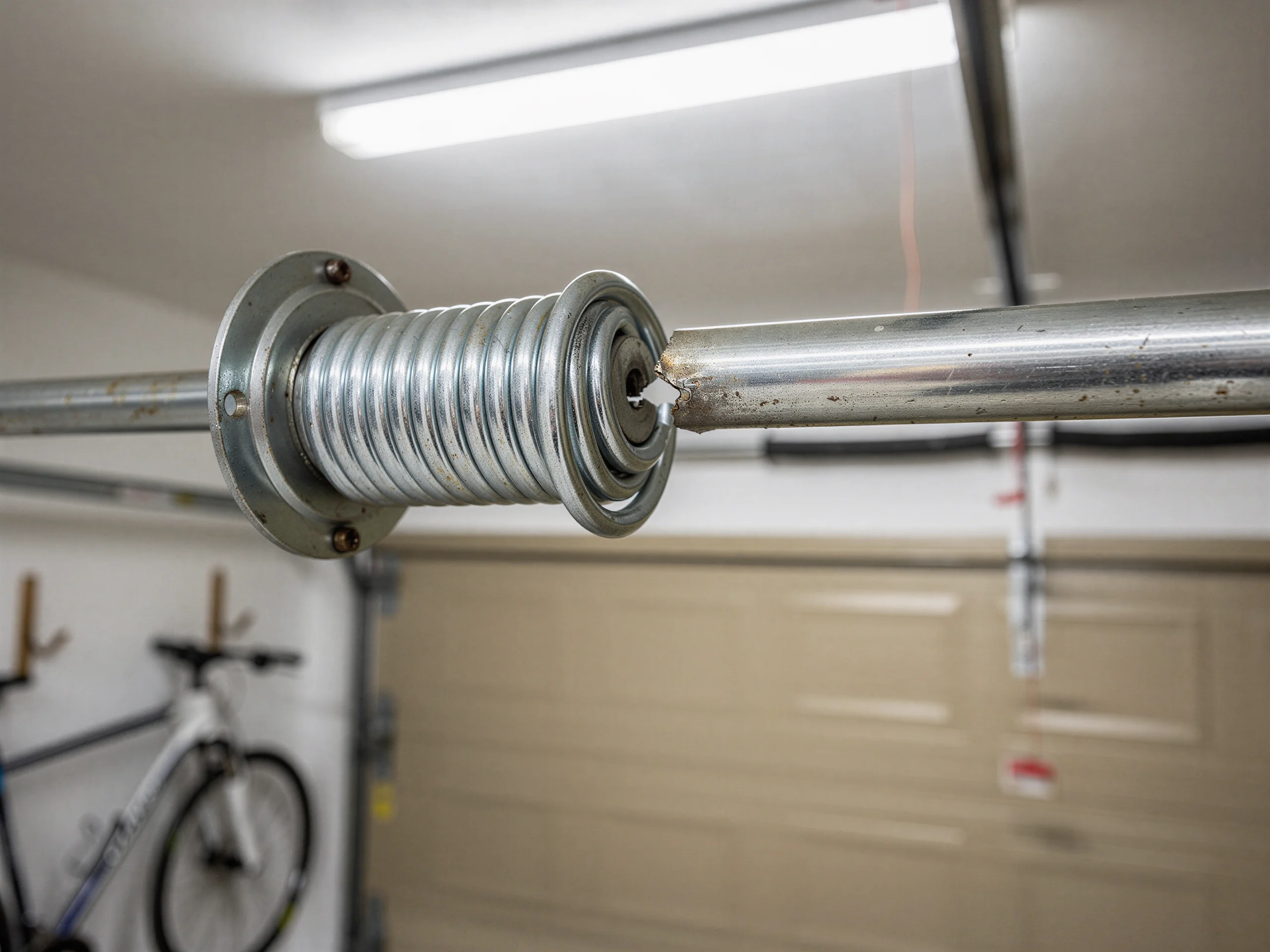
A torsion spring holds enough stored force to break fingers or worse if it lets go while you're working on it, and that risk doesn't change based on your house's value or age.
Practice needed for tension
We'd rather tell you plainly: this isn't a YouTube-on-Saturday job. Extension springs are a little more forgiving to inspect, but the winding bars, clamps, and tension setup for torsion springs take practice most homeowners never get the chance to build.
Mismatched shaft springs
If your door is a double door with two torsion springs on a shared shaft - common in Westchase's larger two-car garages - a mismatched or improperly wound spring puts uneven load on the opener and the track, and that failure shows up weeks later, somewhere else entirely.
Parts We Carry
For doors built around the 2001 era common in Westchase, we carry torsion springs in the wire sizes that match standard insulated steel doors from that period, plus the matching cable and drum sizes. We don't stock every spring size ever made - some older or imported doors need a part we order in, and we'll tell you straight if that's the case rather than forcing a mismatch onto your door. Mild climate here means we're not fighting the rust and corrosion issues that shorten spring life in wetter or saltier parts of the state, so cycle count, not weather damage, is usually the thing that ends a spring's life in this area.
What the Repair Takes
At a median household income of $120,070, Westchase sits well above the wider service area's $62,617 figure, and that changes the math on a spring job before we even open the truck.
Parts-and-labor pricing
A torsion spring replacement on a double door is a parts-and-labor call, not a judgment call, for most houses here - the income level means most owners choose to fix it right the first time rather than patch around a dying spring with a cheap stand-in.
Wire, wind, and drum specs
We measure the wire size, the wind direction, and the drum setup, then match the spring to the door's actual weight, not a generic size. Houses in Westchase mostly went up around 2001, which puts them solidly in the post-code era: steel doors, extension or torsion springs rated for the heavier insulated panels builders used by then, not the thin single-layer doors common in older stock elsewhere in the county.
Hunting obsolete hardware
That means standard parts fit most jobs here without the hunting-down-obsolete-hardware problem you get in older neighborhoods. We don't guess at spring life from the door's age alone - a spring rated for 10,000 cycles can go at year six or year fourteen depending on how often the door runs.
Cable and drum checks
What we do is check wear on the cable and drums at the same time, since a spring failure on a 20-plus-year-old door often takes a cable with it.
How It Shows Up
The door gets heavy fast - one day it closes fine, the next the opener strains or reverses halfway down. Sometimes you'll hear a loud bang from the garage, which is usually the spring letting go rather than something falling. On newer stock like what's common in Westchase, a spring failure often shows up as the opener struggling rather than the door refusing outright, since these openers are built to handle more load before they give up. If the door won't stay up when you lift it by hand, that's the spring, not the opener, and it's not safe to keep running it.
Talk to a local pro
Garage door service in Land O' Lakes?
Same-day service with honest, upfront quotes.