How Long It Takes
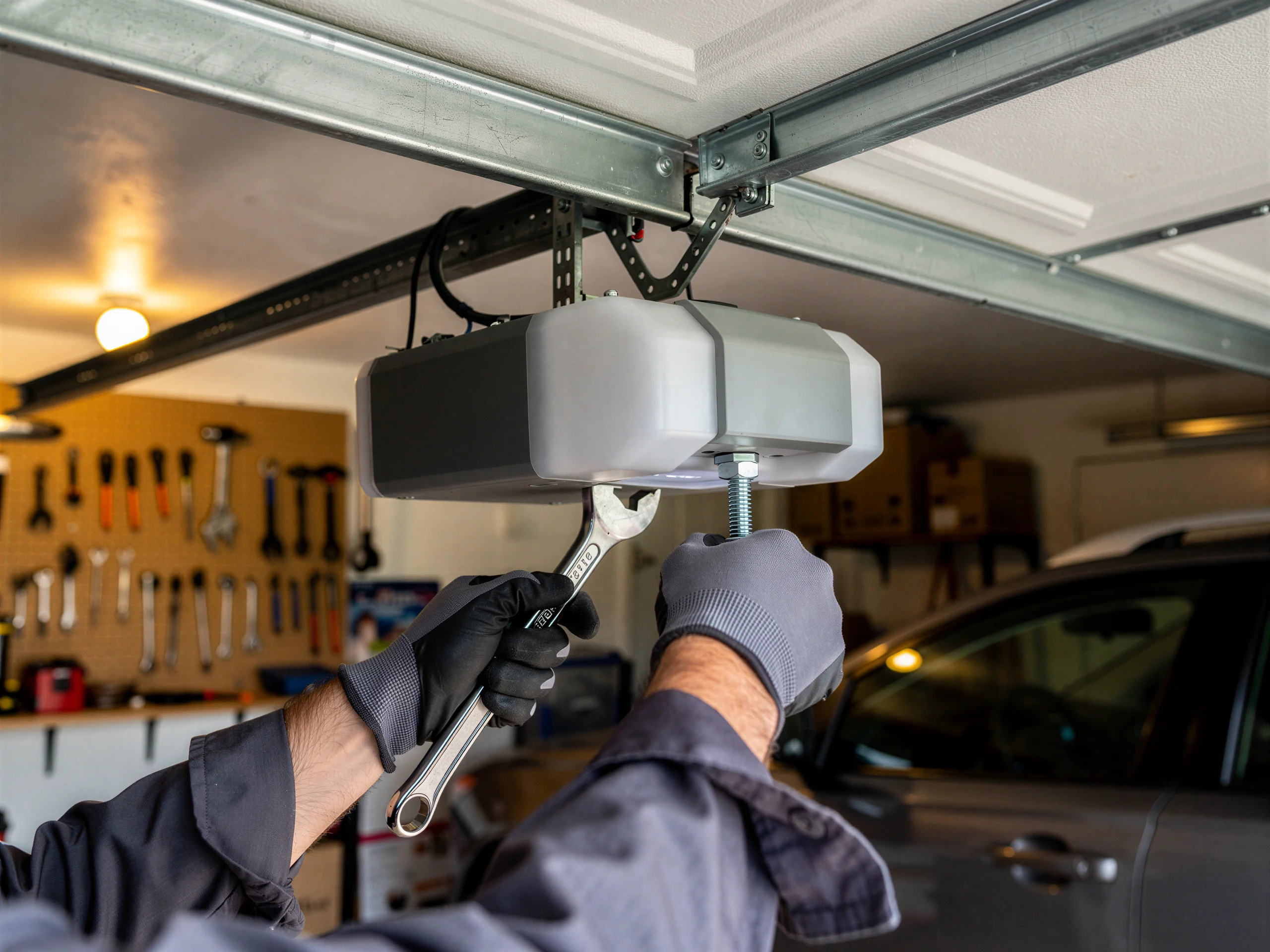
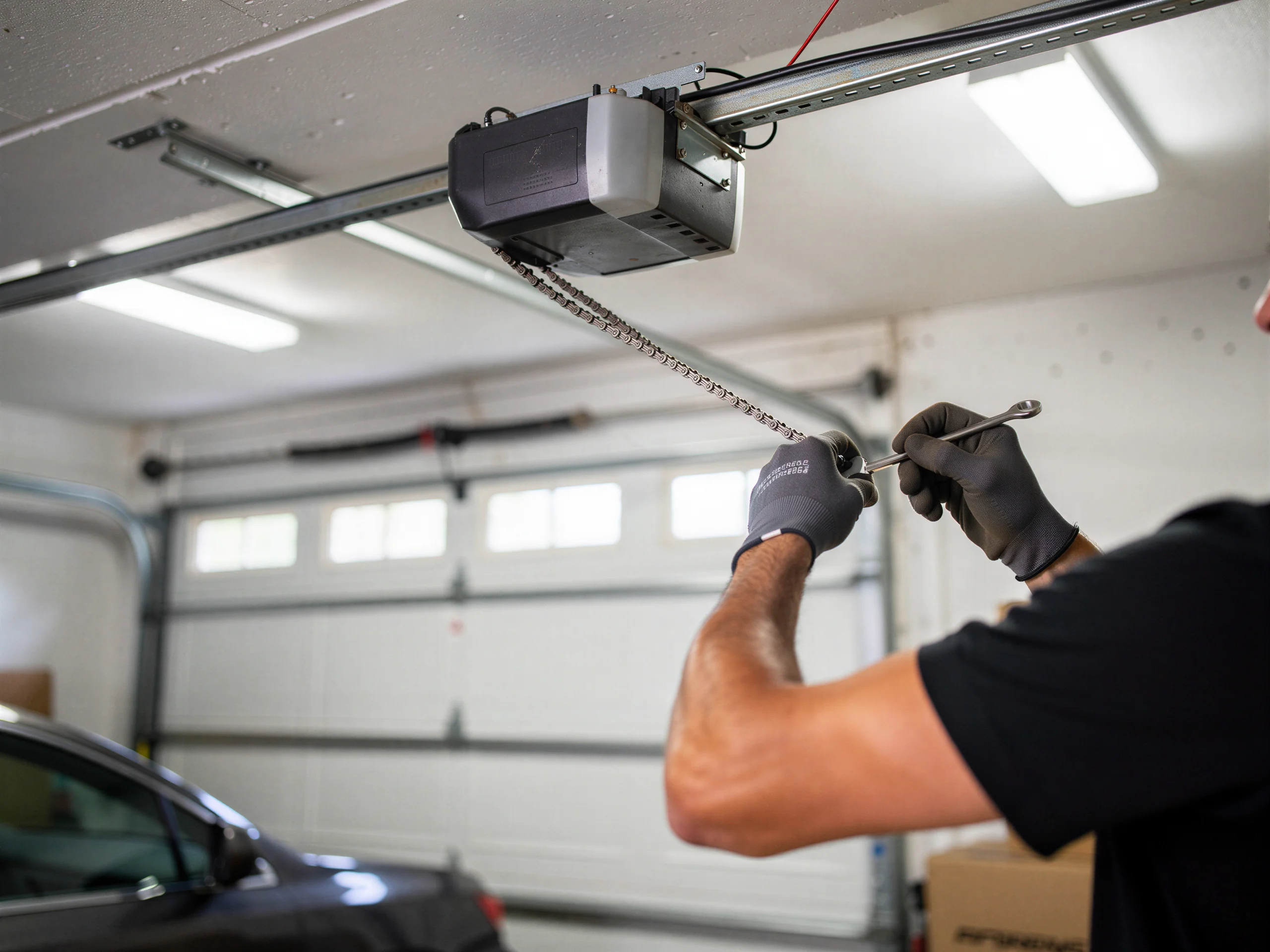
Once a tech is on-site, most straightforward opener repairs - board swap, sensor replacement, drive gear - run thirty to sixty minutes.
Intermittent fault diagnosis
Diagnosis on an intermittent fault, one that only shows up some of the time, can take longer than the fix itself, because the goal is catching the fault in the act rather than replacing parts on a hunch. The fourteen-mile drive from Land O' Lakes doesn't add to the repair time once we're there, but it does mean we schedule the visit as a full appointment rather than a drop-in between closer jobs.
Special-order adds days
If a part has to be special-ordered - which happens more with older or discontinued opener models than with the belt-drive units common to houses built around 2001 here - that adds days, not hours, and we'll tell you the real timeline rather than a hopeful one.
Where This Job Goes Sideways
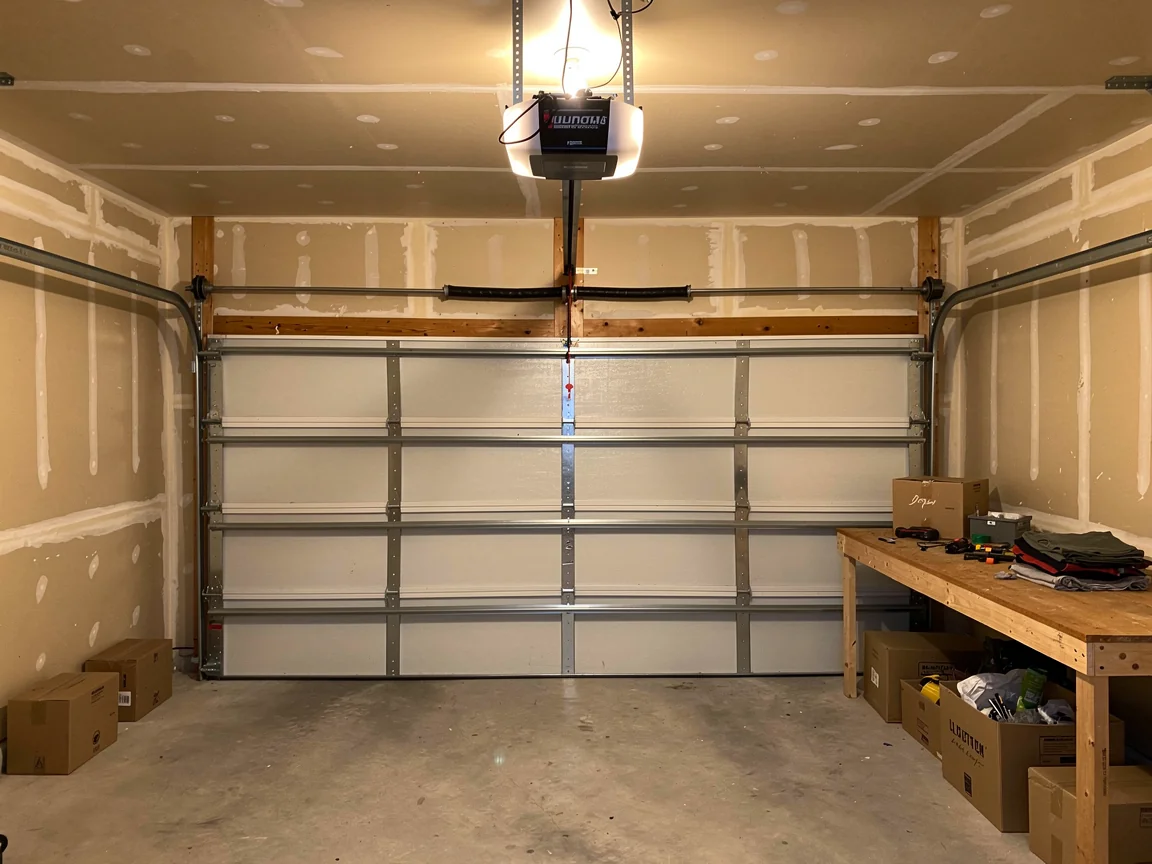
The honest failure point on this job is misdiagnosis before the part gets ordered. An opener that clicks but doesn't lift can be the motor, the drive gear, the capacitor, or a door that's binding on its track and making the opener work harder than it should - and only one of those is actually an opener problem. We've seen opener calls turn into spring calls once the door's off the opener and moved by hand. The other spot it goes sideways: boards. With about 9,783 households in Westchase against 164,360 across the whole service area we cover, this is a smaller, newer market, and the breakdowns here skew toward electronics failures rather than the worn gear sets and dead capacitors typical of older stock. A board that reads as dead sometimes isn't - it's a tripped breaker or a loose low-voltage wire at the sensor. We check power before we quote a board.
Can You Do This Yourself
Swapping a remote battery or reprogramming a wall console after a power blip is something most homeowners can handle without a call.
Faults that mimic
Replacing a logic board, recalibrating travel limits on a belt-drive unit, or diagnosing an intermittent photo-eye fault is a different job - those faults mimic each other, and a wrong guess means buying a part that doesn't fix anything.
Electronics-heavy openers
With houses in this part of Westchase mostly dating to the early 2000s, the opener hardware is newer and more electronics-heavy than what you'd find on a 1980s unit, which means fewer mechanical shortcuts and more boards that either read correctly or don't.
Symptom triage guide
If your opener runs but won't respond to the wall button, that's usually wiring or the console itself - worth checking before you call. If the motor hums and the door doesn't move, stop pulling on anything; that's spring or cable territory, not opener territory, and pulling the emergency release with a loaded spring is how people get hurt.
Parts We Carry
We carry opener logic boards, belt and chain drive gears, limit switch kits, photo-eye sensor pairs, and wall consoles sized for the belt-drive and chain-drive units common in houses built in the early 2000s - which covers most of Westchase's stock. What we don't carry on the truck is a part for every opener brand ever sold; if your unit is an oddball model or something pulled from a discontinued line, that part may need to be ordered, and we'll tell you that up front rather than promise same-visit on something we don't have in hand. At a median household income near $120,070 - close to double the $62,617 median across the wider service area - we see more requests here for a smart-opener upgrade alongside the repair: swapping a failing board for a Wi-Fi-enabled unit instead of a straight like-for-like fix. We carry both options and price them separately so you're choosing, not guessing.
What the Repair Takes
Westchase sits fourteen miles out from the Land O' Lakes shop, which is far enough that a tech plans the trip as one stop, not a quick turnaround.
Mid-production build quirks
That changes how the job gets scheduled, but it doesn't change what's under the opener cover once the truck's parked. Most of the openers we pull in this part of Westchase went in with houses built around 2001 - mid-production chain and belt-drive units running on circuit boards, not the bare relay logic you'd find on an opener twice their age.
Diagnose the board first
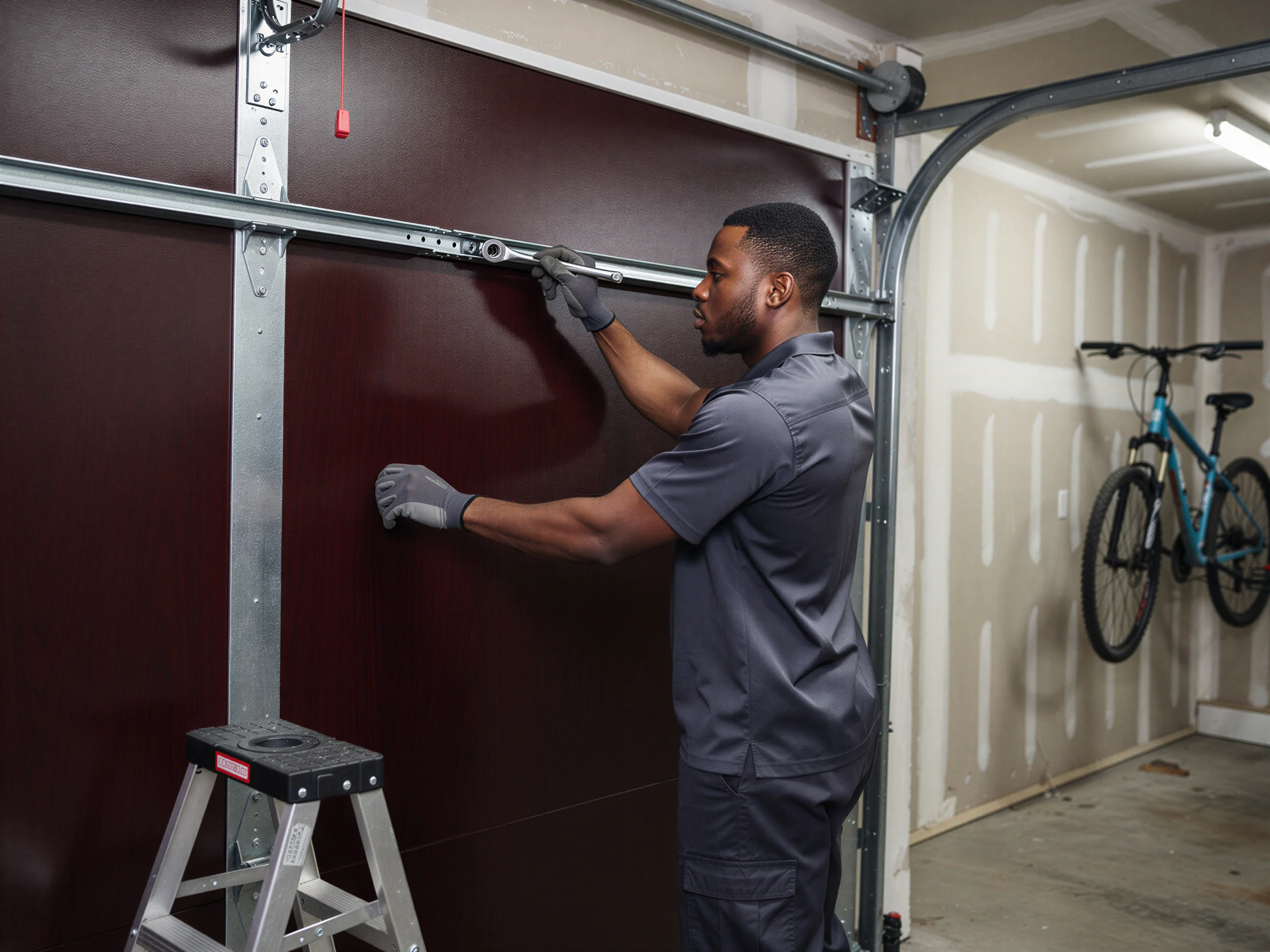
Repairing one of these means reading a board first: diagnosing whether the fault is the logic board, the capacitor, the limit switch, or just a dying remote battery throwing false signals.
Code-matched parts on hand
We bring a code-matched wall console and a logic board that fits that era of unit, because guessing wrong on a 2001-era opener means a second trip. The actual swap - board, sensor, or drive gear - usually runs under an hour once we've confirmed what failed. Diagnosis takes longer than the fix, most days.
How It Shows Up
The opener fails differently depending on what's actually wrong. A door that doesn't respond to the wall button or remote but hums when you try - that's usually the logic board or a dead capacitor. A door that opens partway and reverses - that's the limit switch or the photo-eye sensor reading an obstruction that isn't there, often from a sensor knocked slightly out of alignment. A door that moves but grinds or skips - that's the drive gear wearing down, common once a belt-drive unit gets a decade or more of daily use. Given that Westchase's housing here runs newer than much of the surrounding service area's 1980s-90s stock, these are the faults we expect first: board and sensor issues, not the worn mechanical parts you'd see on an opener twice its age. If your door won't budge at all, by hand or by button, that's not an opener symptom - that's a spring, and a different call.
Talk to a local pro
Garage door service in Land O' Lakes?
Same-day service with honest, upfront quotes.